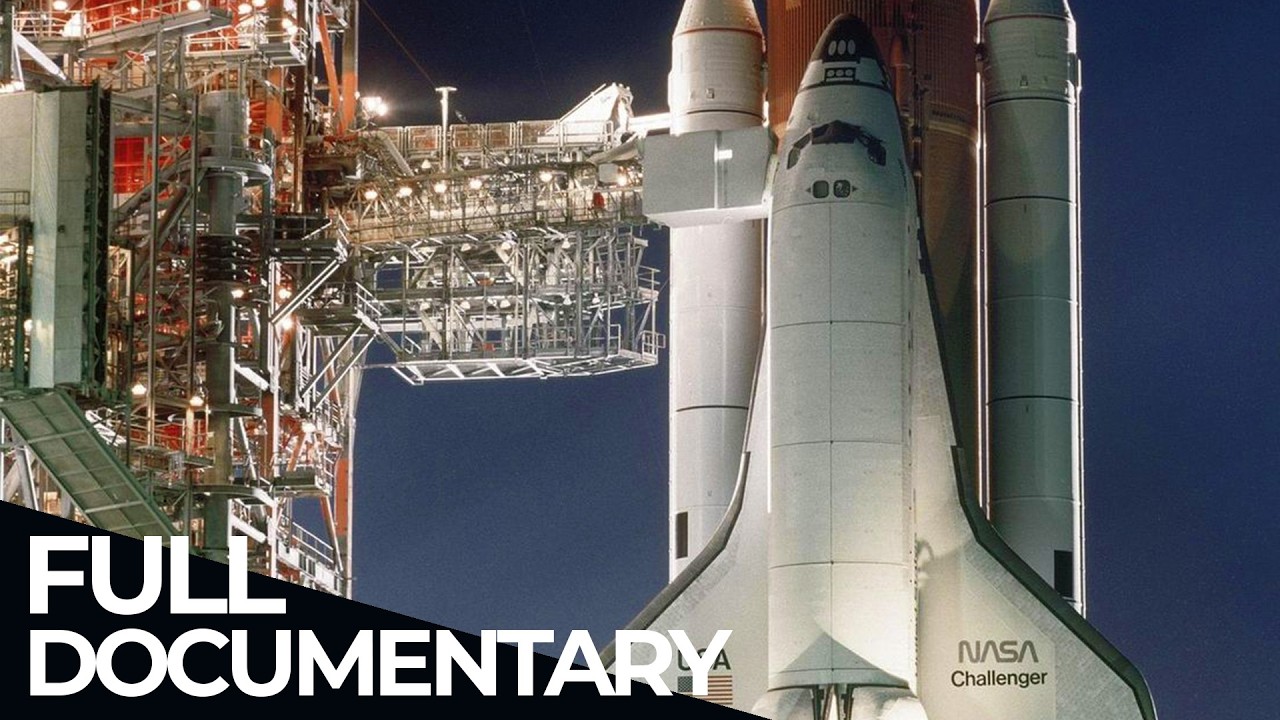
The Challenger Disaster - NASA's Greatest Tragedy | Free Documentary Space
Keywords
Summary
134 words
Critical Evaluation
The documentary provides a compelling and informative account of the Challenger disaster, drawing on firsthand testimonies from key individuals like Allan McDonald, whose role in the events is well-documented. The narrative is structured chronologically, which helps the viewer understand the sequence of decisions leading to the launch. The technical explanations, particularly regarding the O-ring failure, are accessible without oversimplifying the engineering complexities. The film effectively conveys the managerial pressures and communication breakdowns that contributed to the tragedy, aligning with the findings of the Rogers Commission. However, the documentary lacks explicit references to primary sources, relying instead on interviews and archival footage. While this is common in documentaries, it limits the viewer’s ability to verify specific claims. Additionally, some dramatization and emotional music may influence the presentation, though it does not detract from the factual core. The adéquation between title and content is strong, as the film directly addresses the disaster and its significance. Overall, the documentary is a valuable resource for understanding the Challenger tragedy, though it could benefit from more explicit source citations.
174 words
Title / Content Match
The title accurately reflects the content, focusing on the Challenger disaster as a major NASA tragedy.
Quality & Reliability
8/10
The documentary relies on interviews with key participants (e.g., Allan McDonald) and official investigation findings, providing a credible account of the Challenger disaster. However, it lacks explicit citations to primary sources in the description, and some dramatization may occur.
Key Moments
Markers derived by PSI from the transcript: the creator did not define chapters.
- Introduction to the Challenger disaster and its impact.
- Allan McDonald recalls the cold weather concerns and the teleconference.
- Engineers' recommendation not to launch below 53°F is overruled.
- Launch day preparations and the astronauts' suit-up process.
- The launch and immediate explosion at 73 seconds.
- Reaction and initial investigation efforts.
- Historical context of the shuttle program and commercial pressures.
- Discussion of the O-ring failure and cover-up allegations.
- Aftermath and the return to flight.
- Reflections on the lessons learned and the legacy of the disaster.
Cited Sources
- Free Documentary Channel — Channel subscription link, not a direct source.
Concurring Sources
- Rogers Commission Report — The official investigation report confirms the O-ring failure and managerial issues.
Dissenting Sources
- None — No discordant sources were identified in the documentary.
Contribution & Novelties
The documentary provides a detailed narrative of the Challenger disaster, emphasizing the human and managerial aspects. It offers insights from key participants, particularly Allan McDonald, which adds a personal perspective to the historical record. The film also highlights the systemic issues within NASA that contributed to the tragedy, such as schedule pressure and communication failures.
Pour aller plus loin :
- Rogers Commission Report — The official investigation report, providing primary evidence and findings.
- O-ring erosion and blow-by — Detailed technical explanation of the O-ring failure mechanism.
- Allan McDonald’s memoir — Background on the engineer who refused to sign the launch recommendation.
101 words
Radar Profile
The radar profile shows high scores in quantity and quality of information, reflecting the documentary's comprehensive coverage and use of expert interviews. The technical level is moderate, making it accessible to a general audience while still providing depth. Overall, the documentary is reliable and informative.
💬 Sur les 0 commentaires analysés, aucune tendance n'est disponible.