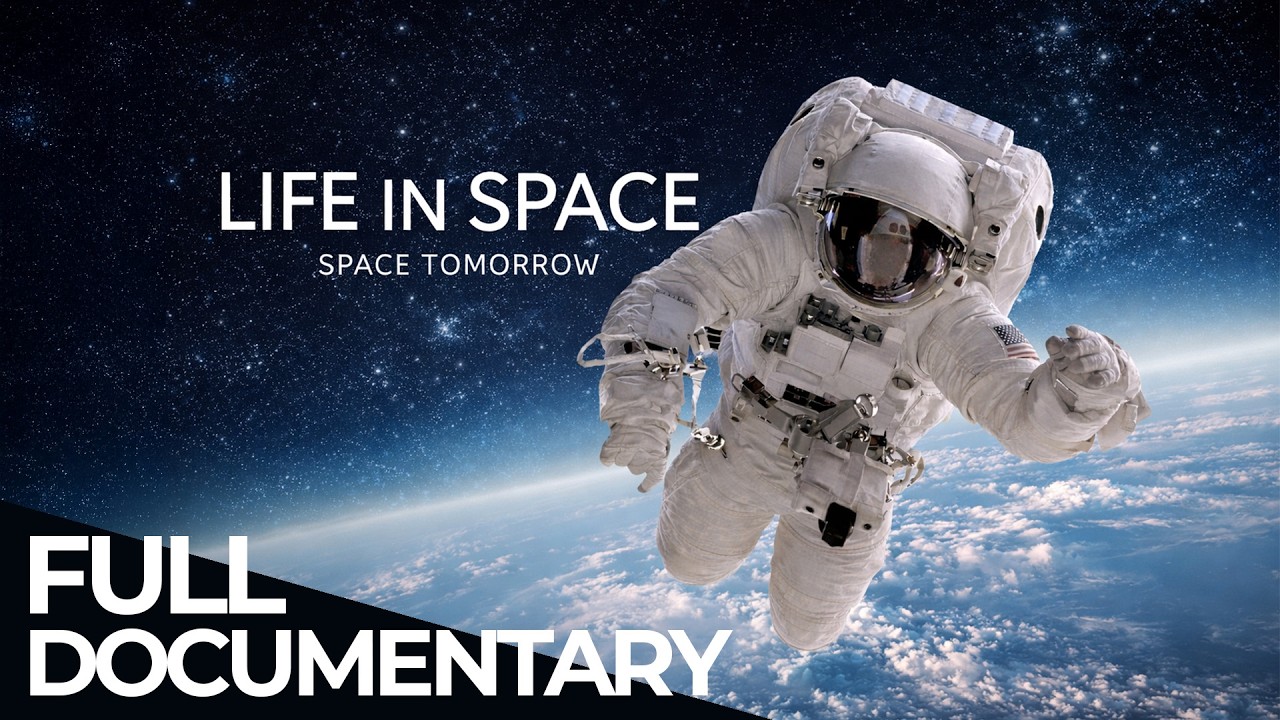
Life in Space: Humanity’s Next Frontier | Free Documentary Space
Keywords
Summary
142 words
Critical Evaluation
The documentary offers a compelling and visually stunning portrayal of astronaut training and life in space, centered on the personal narrative of Thomas Pesquet. Its primary strength lies in the authentic, firsthand perspective provided by an active astronaut, which lends credibility to the depiction of training procedures and the physical sensations of spaceflight. The inclusion of the Luca Parmitano incident adds a dramatic and realistic element, illustrating the inherent dangers of spacewalks. However, the documentary lacks scientific depth; it does not delve into the technical details of spacecraft systems or the scientific experiments conducted on the ISS. The information presented is largely anecdotal and experiential rather than analytical. The sources are not explicitly cited, and the documentary does not reference specific studies or data, which limits its rigor. The argumentation is narrative-driven, focusing on the human experience rather than a systematic exploration of the topic. The title suggests a broader discussion of humanity’s future in space, but the content is more narrowly focused on one astronaut’s mission. Despite this, the documentary succeeds in conveying the challenges and wonders of space travel, making it an engaging introduction for general audiences. The production quality is high, with excellent cinematography and personal footage. Overall, it is a valuable human-interest documentary, but it falls short of a rigorous scientific analysis.
216 words
Title / Content Match
The title accurately reflects the documentary's focus on human spaceflight and the future of space exploration, though it is somewhat broad.
Quality & Reliability
7/10
The documentary features firsthand accounts from astronaut Thomas Pesquet, providing authentic insights into astronaut training and spaceflight. However, it lacks in-depth scientific analysis and relies on narrative rather than rigorous data. The sources are not explicitly cited, and the content is more experiential than technical.
Key Moments
Markers derived by PSI from the transcript: the creator did not define chapters.
- Introduction to the documentary and Thomas Pesquet's mission.
- Pesquet describes his training at Star City, including centrifuge and Soyuz simulators.
- Recounting the 2013 Luca Parmitano spacewalk emergency.
- Training for spacewalks in the NASA Neutral Buoyancy Laboratory.
- Pesquet discusses the psychological preparation and rituals before launch.
- Launch day and the experience of liftoff.
- Arrival at the International Space Station and first impressions.
- Daily life in microgravity, including eating and moving.
- Reflections on the beauty of Earth from space and the future of space exploration.
Cited Sources
- Free Documentary Channel — The documentary is produced by Free Documentary, and this link is provided in the description for subscribing to the channel.
Concurring Sources
- NASA - International Space Station — NASA's official ISS page provides authoritative information on the station's operations and research, consistent with the documentary's portrayal.
Dissenting Sources
- No discordant sources found — The documentary does not present controversial claims, and no conflicting sources were identified.
Contribution & Novelties
The documentary provides a unique, personal perspective on astronaut training and spaceflight through the eyes of Thomas Pesquet, offering viewers an intimate look at the human experience of space travel. It highlights the rigorous preparation and the emotional journey of an astronaut, which is often not covered in technical documentaries.
Pour aller plus loin :
- International Space Station — Provides detailed information about the ISS, its modules, and its role in space research.
- Thomas Pesquet — Biography of the astronaut featured in the documentary, including his missions and training.
- Spacewalk — Explains the challenges and procedures of extravehicular activity, relevant to the training and incident shown.
106 words
Radar Profile
The radar profile shows high scores in quantity and quality of information, reflecting the rich visual and narrative content. The technical level is moderate, as the documentary focuses on personal experience rather than deep technical detail. Reliability is good due to the firsthand account, but the lack of cited sources prevents a higher score.
💬 No comments were provided for analysis.