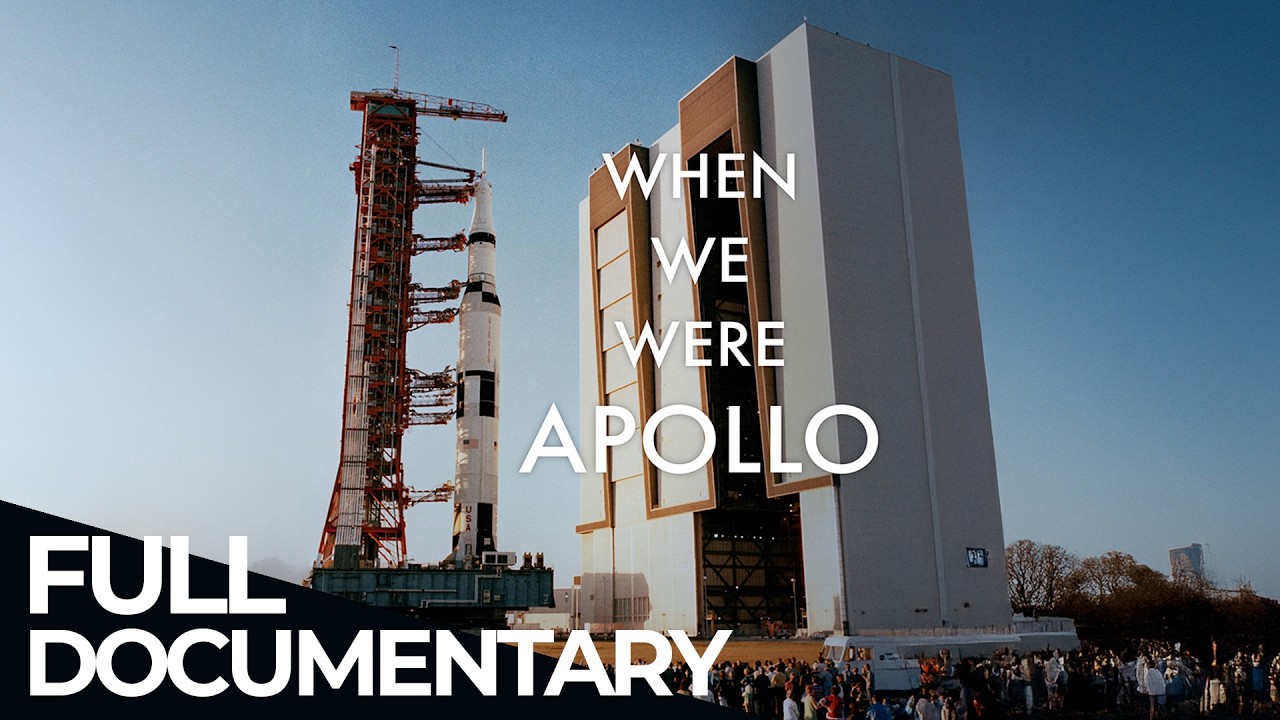
When We Were Apollo
Keywords
Summary
164 words
Critical Evaluation
The documentary excels in providing a human-centric view of the Apollo program, giving voice to the often-overlooked engineers and technicians. The personal anecdotes are compelling and offer valuable insights into the culture and mindset of the era. However, the film lacks a critical analysis of the program’s broader implications, such as the political motivations, the enormous cost, and the ethical considerations of the space race. The narrative is largely nostalgic and celebratory, which, while engaging, may overlook the complexities and controversies of the period. The absence of expert commentary or historical context beyond the personal memories limits its depth as a historical analysis. The technical details are presented in an accessible manner, but the film does not delve deeply into the engineering challenges or innovations. The sources are primarily the interviewees themselves, which, while authentic, are subjective and potentially biased. The documentary would benefit from a more balanced approach, incorporating archival footage and expert analysis to provide a more comprehensive understanding. Overall, it is a valuable oral history that captures the spirit of the Apollo program, but it falls short of a rigorous historical or scientific examination.
187 words
Title / Content Match
The title accurately reflects the content, which is a nostalgic and personal retrospective of the Apollo program.
Quality & Reliability
8/10
The documentary features first-hand accounts from Apollo program engineers and technicians, providing authentic personal perspectives. However, it lacks explicit citations or references to primary sources, and the narrative is subjective, focusing on personal memories rather than rigorous historical analysis.
Key Moments
Markers derived by PSI from the transcript: the creator did not define chapters.
- Introduction to the documentary's theme: personal stories of Apollo program workers.
- Interviewee recalls childhood during WWII and the V2 rocket attacks.
- Discussion of the transition from German rocket team to American missile development.
- The launch of Sputnik and its impact on the American public and the space program.
- The creation of NASA and the shift from military to civilian space exploration.
- President Kennedy's speech setting the goal of landing a man on the moon.
- Personal reflections on the challenges and excitement of working on the Apollo program.
- Conclusion: the legacy of the Apollo program and the people who made it possible.
Cited Sources
- Free Documentary Channel — The documentary is published on the Free Documentary - Space channel, which provides a platform for space-related documentaries.
Concurring Sources
- Apollo program - Wikipedia — The documentary's portrayal of the Apollo program's goals and achievements aligns with the historical record.
Dissenting Sources
- The Right Stuff by Tom Wolfe — While the documentary focuses on the engineers and technicians, Tom Wolfe's book emphasizes the test pilots and astronauts, offering a different perspective on the space program.
Contribution & Novelties
This documentary provides a unique oral history of the Apollo program, focusing on the personal experiences of the engineers and technicians who are often overshadowed by the astronauts. It offers a grassroots perspective that is not commonly found in mainstream historical accounts. The film captures the emotional and motivational aspects of the space race, highlighting the dedication and sacrifice of the workforce.
Pour aller plus loin :
- Apollo program - Wikipedia — Provides a comprehensive overview of the Apollo program, including its history, missions, and technological achievements.
- Operation Paperclip - Wikipedia — Details the recruitment of German scientists, including Wernher von Braun, which is a key background element in the documentary.
- Wernher von Braun - Wikipedia — Biographical information on the central figure in American rocketry, whose vision and leadership were crucial to the Apollo program.
136 words
Radar Profile
The radar profile shows high scores in qualitative information and reliability, reflecting the authentic personal accounts. However, the technical level is moderate, indicating that the documentary is accessible to a general audience rather than deeply technical. The overall balance suggests a well-rounded but not highly specialized presentation.