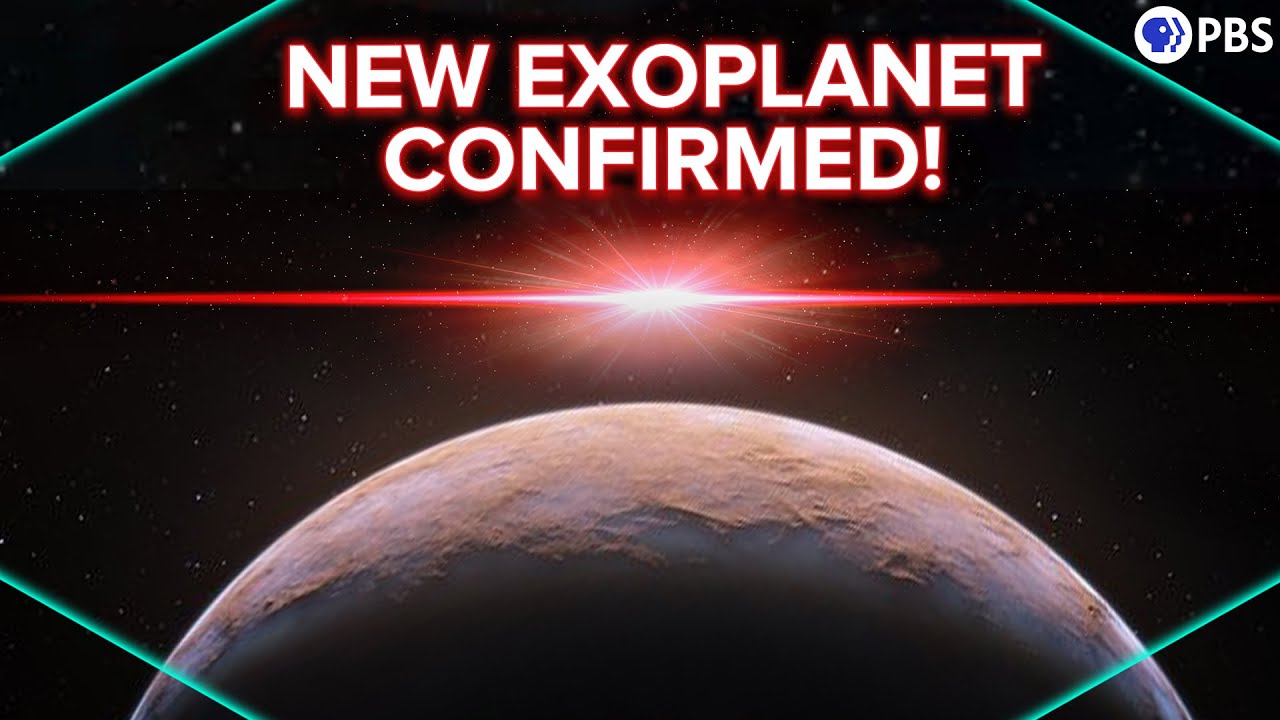
Is the Proxima System Our Best Hope For Another Earth?
Keywords
Summary
165 words
Critical Evaluation
Value of the Information & Strength of the Argument
The video provides substantial value by synthesizing current knowledge about the Proxima system, including the latest discovery of Proxima d. It explains complex astronomical methods (radial velocity, transit) in an accessible manner, using clear analogies and visualizations. The argumentation is solid, presenting both the hopeful aspects (Earth-like mass, habitable zone) and the significant challenges (tidal locking, flares) for habitability. The presenter, Matt O’Dowd, builds a logical narrative from historical context to future prospects, and the inclusion of community corrections demonstrates a commitment to accuracy. The discussion of potential life adaptations (black foliage, infrared photosynthesis) adds depth, though it remains speculative.
Scientific Rigor, Source Quality, Title Accuracy
The video demonstrates strong scientific rigor, referencing real discoveries (Pale Red Dot team, 2016, 2019, 2020) and established methods. The host, an astrophysicist, ensures technical accuracy. The description includes links to PBS and Patreon, but no direct scientific sources are provided, which is a minor weakness. The title accurately reflects the content, focusing on the Proxima system as a potential candidate for another Earth. The community comments highlight a minor error (Rigil vs Rigel) which was corrected, showing responsiveness to feedback. Overall, the content is reliable and well-presented.
203 words
Title / Content Match
The title accurately reflects the content, which focuses on the Proxima Centauri system and its potential for hosting a habitable Earth-like planet.
Quality & Reliability
8/10
The video is produced by PBS Space Time, a reputable science communication channel, and hosted by astrophysicist Matt O'Dowd. It presents established scientific findings (exoplanet discoveries) and explains methods (radial velocity, transit) accurately. The content is well-structured and includes corrections from the community. Minor inaccuracies (e.g., star name typo) are promptly addressed.
Key Moments
Markers derived by PSI from the transcript: the creator did not define chapters.
- Introduction to Alpha Centauri and historical observations.
- Discovery of Proxima Centauri as a third star in the system.
- Explanation of the radial velocity method for detecting exoplanets.
- Discovery of Proxima b and its Earth-like mass and habitable zone.
- Discovery of Proxima c and Proxima d, and their characteristics.
- Discussion of tidal locking and its implications for habitability.
- Challenges from stellar flares and the need for atmospheric protection.
- Potential for life with adaptations to low visible light and infrared.
- Future telescopes and the Breakthrough Starshot mission.
- Speculative future of humanity on Proxima b.
Cited Sources
- PBS Donation Page — Support for the show
- Morning Brew Sponsor — Sponsor link
- Space Time Fan Survey — Audience feedback
- Space Time Mailing List — Newsletter signup
- Space Time Merch Store — Merchandise
- End Credits Music by J.R.S. Schattenberg — Music credit
Concurring Sources
- Proxima Centauri b — General information on the exoplanet.
- Doppler spectroscopy — Method used to detect exoplanets.
Contribution & Novelties
The video provides a comprehensive and up-to-date overview of the Proxima Centauri system, including the recent confirmation of Proxima d. It synthesizes information from multiple discoveries and explains the scientific methods in an accessible way. The discussion of potential habitability factors, such as tidal locking and stellar flares, offers a balanced perspective. The video also highlights future observational and exploratory missions, inspiring viewers.
Pour aller plus loin :
- Proxima Centauri b — Wikipedia article on the exoplanet.
- Radial velocity method — Explanation of the detection technique.
- Habitable zone — Concept of the region around a star where liquid water can exist.
- Breakthrough Starshot — Initiative to send light sail probes to Alpha Centauri.
113 words
Radar Profile
The radar profile shows high scores in information quantity, quality, and reliability, with a slightly lower technical level, indicating content that is both informative and accessible. The balance suggests a well-rounded presentation suitable for a general audience interested in astronomy.
💬 Positif. Sur les 30 commentaires analysés, le public exprime un fort enthousiasme pour le contenu, avec des éloges sur la clarté des explications et la fascination pour le sujet, ainsi que des discussions techniques constructives.