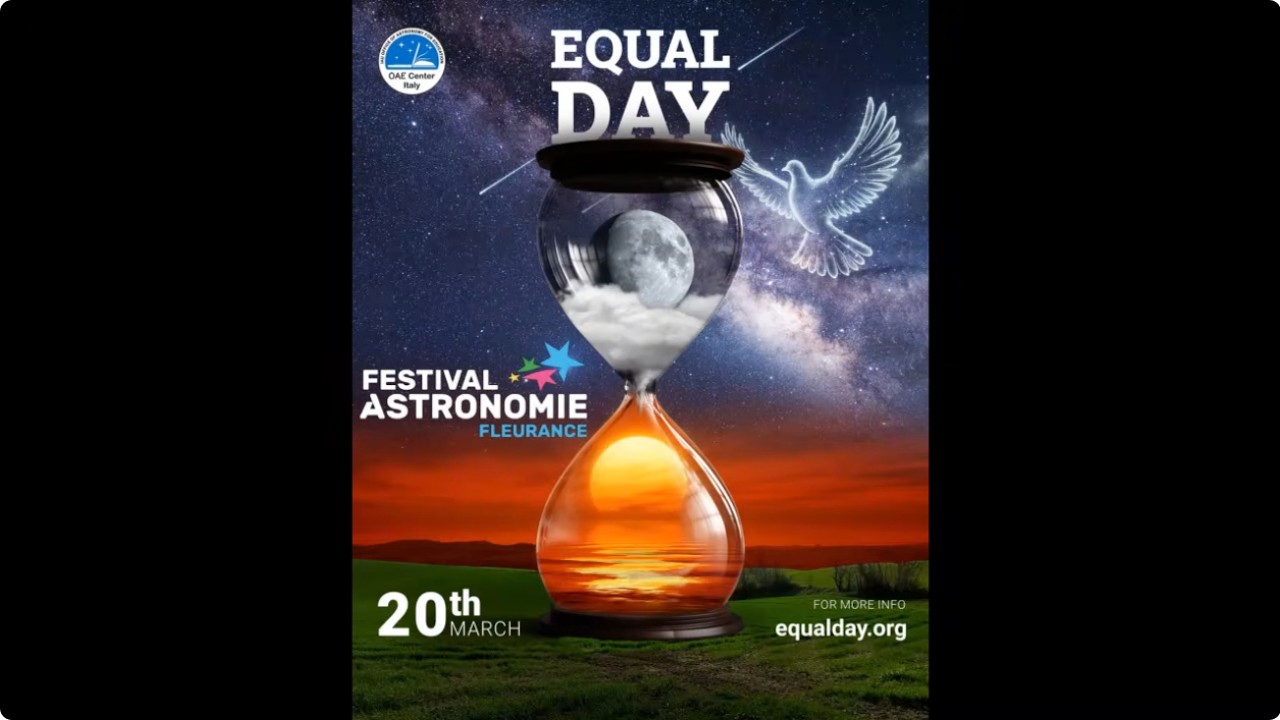
EqualDay 2026
Keywords
Summary
153 words
Critical Evaluation
The conference provides a heartfelt and inspiring perspective on astronomy outreach, emphasizing its role in fostering human connection and peace. The speaker’s personal anecdotes and the inclusion of video testimonials add authenticity and emotional appeal. However, from a scientific standpoint, the content is largely anecdotal and lacks rigorous data or references. The speaker does not cite specific studies or sources, and the claims about the percentage of people who have never seen the Moon are not backed by empirical evidence. The argumentation is more persuasive than scientific, relying on emotional narratives rather than systematic analysis. The video’s strength lies in its demonstration of the universal appeal of astronomy and its potential for social good, but it does not delve into the scientific aspects of the Moon or astronomy in detail. The title ‘EqualDay 2026’ is somewhat misleading, as the content is not specifically about the equinox or any scientific event, but rather about the humanistic value of astronomy. Overall, the conference is valuable for its inspirational message and practical examples of outreach, but it is not a source of scientific information or rigorous analysis.
184 words
Title / Content Match
The title 'EqualDay 2026' is vague and does not clearly convey the content, which is about sharing astronomy and promoting peace and solidarity.
Quality & Reliability
7/10
The video is a conference talk by an astronomer, sharing personal experiences and anecdotes about public engagement with astronomy. It includes testimonies and video clips, but lacks detailed scientific references or data. The information is reliable in the sense of being authentic experiences, but it is not a scientific study or review.
Key Moments
Markers derived by PSI from the transcript: the creator did not define chapters.
- Introduction: the speaker sets the theme of astronomy as a vector of emotion, solidarity, and peace.
- Quote from Camille Flammarion about the importance of astronomy.
- Video by Willy Overstreet showing people's reactions to seeing the Moon through a telescope.
- Discussion about the 'On the Moon Again' event, encouraging people to share telescopes.
- Introduction of the 'Montreur d'étoiles' program for young migrants.
- Testimonials from participants in the program.
- Conclusion: the importance of sharing astronomy for peace and solidarity.
Cited Sources
- On the Moon Again — Mentioned as the global event encouraging telescope sharing.
- Willy Overstreet's video — Video shown during the talk about people's reactions to the Moon.
Concurring Sources
- Astronomy Outreach — Supports the idea that astronomy outreach can have positive social impacts.
Contribution & Novelties
The video offers a unique perspective on astronomy outreach, emphasizing its emotional and social impact rather than purely scientific content. It highlights innovative programs like ‘Montreur d’étoiles’ that empower marginalized youth through astronomy education.
Pour aller plus loin :
- Astronomy Outreach — Provides context on the broader field of public engagement in astronomy.
- Camille Flammarion — The astronomer quoted in the talk, known for popularizing astronomy.
- On the Moon Again — Official website of the global event mentioned, offering opportunities for participation.
82 words
Radar Profile
The radar profile shows high scores in quality of information and reliability, but lower in quantity and technical level, reflecting the video's focus on personal experience and emotional appeal rather than dense scientific content.