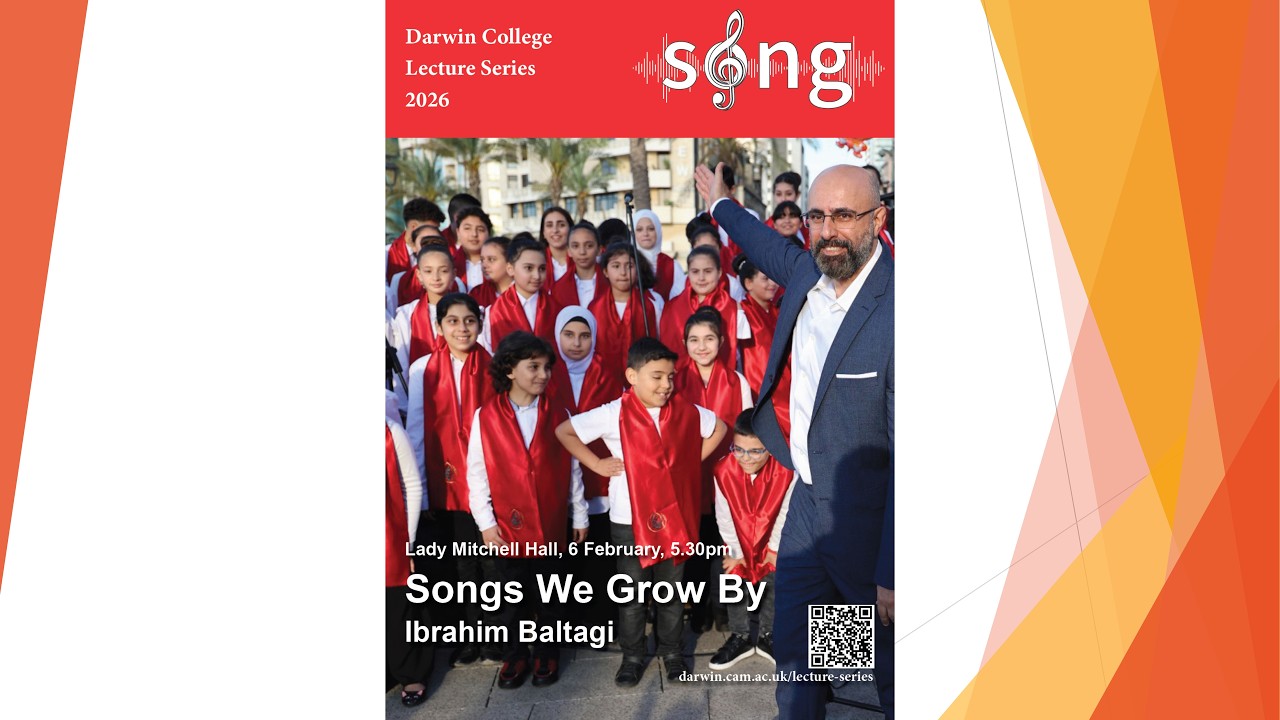
Songs We Grow By
Keywords
Summary
186 words
Critical Evaluation
Value of the Information & Strength of the Argument
The lecture provides valuable insights into the developmental functions of song, supported by examples from multiple cultures. The argumentation is coherent, moving from infancy to adolescence and linking musical features to developmental needs. The speaker effectively demonstrates how simple songs are precisely designed to support learning and belonging. However, the argumentation relies more on anecdotal evidence and established pedagogical methods than on specific empirical studies, which could strengthen the scientific rigor.
Scientific Rigor, Source Quality, Title Accuracy
The lecture demonstrates scientific rigor by referencing established music education methodologies (Kodály, Orff) and mentioning research in psychology and neuroscience. The speaker’s credentials (PhD in music education, peer-reviewed publications, UNICEF work) add credibility. However, specific sources are not cited in detail, and the lecture is more of a synthesis than a presentation of new research. The title accurately reflects the content, and the lecture stays on topic throughout.
154 words
Title / Content Match
The title accurately reflects the content, which explores how songs support child development across different ages.
Quality & Reliability
8/10
The lecture is grounded in established music education methodologies (Kodály, Orff) and references research in psychology and neuroscience. The speaker is a PhD in music education with peer-reviewed publications and UNICEF involvement. However, specific studies are not cited in detail, and the lecture is primarily a synthesis of known concepts rather than presenting new empirical data.
Key Moments
Markers derived by PSI from the transcript: the creator did not define chapters.
- Introduction: Before there was language, there were songs.
- Cycle 1: Infancy (0-2) - Lullabies and regulation.
- Cycle 2: Early childhood (3-6) - Songs for organizing the world.
- Cycle 3: Middle childhood (6-8) - Memory and form.
- Introduction to 'Tik Tik Tik Ya Em Sleiman' and audience participation.
- Sing-a-long of 'Tik Tik Tik'.
- Cycle 4: Late childhood (9-11) - Social rules and belonging.
- Introduction to 'Ya Ghzayel' and audience participation.
- Cycle 5: Adolescence (12+) - Identity and declaration.
Cited Sources
- International Handbook of Research in Arts Education — Mentioned as a publication containing chapters by the speaker.
- UNICEF Innocenti — Mentioned as a collaboration on music, learning, and childhood wellbeing.
Concurring Sources
- Kodály method — The lecture references the Kodály method for teaching music literacy.
- Orff Schulwerk — The lecture mentions the Orff approach as part of the speaker's training.
Contribution & Novelties
The lecture offers a cross-cultural perspective on children’s songs, emphasizing universal developmental functions over cultural differences. It provides a practical framework for educators and parents, linking specific musical features to developmental stages. The inclusion of audience participation demonstrates the communal aspect of song.
Pour aller plus loin :
- Kodály method — A pedagogical approach emphasizing singing and folk songs.
- Orff Schulwerk — A music education approach combining movement, singing, and instruments.
- Music and child development — A review of research on music’s impact on child development.
86 words
Radar Profile
The radar profile shows high scores in quantity and quality of information, moderate technical level, and high reliability. This indicates a lecture that is informative and credible, but not overly technical, making it accessible to a general audience.