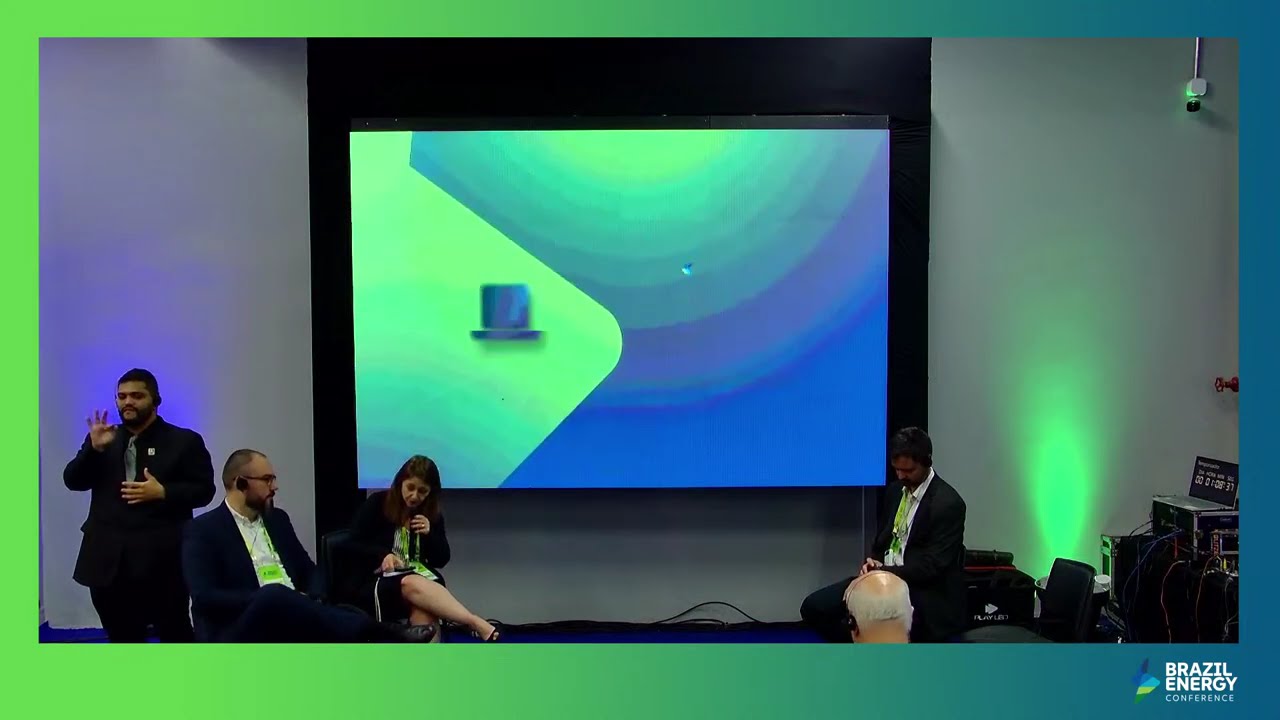
Painel 14: Eletromobilidade e Infraestrutura de Recarga para o Brasil e o Mundo
Keywords
Summary
168 words
Critical Evaluation
Value of the Information & Strength of the Argument
The panel provides valuable information on the state of electromobility in Brazil, particularly regarding electric buses and financing mechanisms. Felipe Oliveira’s presentation offers concrete data on BNDES’s investments and the growth of electric bus fleets, supported by institutional knowledge. The argumentation is coherent, emphasizing the need for coordinated planning and financial solutions. Luiz Camargo’s segment, while less detailed, adds practical perspectives on infrastructure. However, the discussion lacks critical analysis of potential drawbacks or alternative viewpoints, and some claims are presented without rigorous evidence. The argumentation is solid but not deeply critical.
Scientific Rigor, Source Quality, Title Accuracy
The scientific rigor is moderate. The speakers rely on institutional data and personal experience, but no external sources are cited. The title accurately reflects the content. The discussion is well-structured and relevant, but the lack of citations and the informal setting limit its scientific depth. The video is a conference recording, so production quality is basic, but the content is informative.
167 words
Title / Content Match
The title accurately reflects the content, which focuses on electromobility and charging infrastructure in Brazil and globally.
Quality & Reliability
7/10
The panel features experts from BNDES and PRF Gas Solution, providing institutional perspectives and data. However, the discussion is largely descriptive and lacks independent verification of claims. The video is a recording of a conference panel, with limited production quality and no external sources cited.
Key Moments
Markers derived by PSI from the transcript: the creator did not define chapters.
- Introduction by moderator Flavia Consoni, setting the stage for the panel on electromobility and charging infrastructure.
- Felipe Oliveira from BNDES begins his presentation on the bank's role in financing urban mobility and electric buses.
- Oliveira discusses BNDES's financial products, local content requirements, and the growth of electric bus adoption in Brazil.
- Oliveira highlights the need for a national plan to address cost, financing, and project gaps in electric bus deployment.
- Luiz Camargo from PRF Gas Solution presents infrastructure solutions for charging and hydrogen, drawing on international experience.
- Camargo discusses the application of charging infrastructure in Brazil and the role of private companies.
- Panelists engage in a Q&A session with the audience, addressing specific concerns about infrastructure and financing.
Contribution & Novelties
The panel provides an insider perspective on Brazil’s electromobility landscape, particularly the role of BNDES in financing electric buses and the challenges of infrastructure deployment. It offers practical insights into policy mechanisms like local content requirements and the PAC program. The discussion underscores the need for a coordinated national strategy.
Pour aller plus loin :
- BNDES — Official site of the Brazilian development bank, offering details on financing programs.
- Electric bus deployment in Latin America — Inter-American Development Bank’s resources on electric mobility in the region.
- International Energy Agency - Global EV Outlook — Comprehensive data on electric vehicle trends worldwide.
101 words
Radar Profile
The radar profile shows balanced scores across information quantity, quality, technical level, and reliability, indicating a well-rounded but not exceptional presentation. The high reliability score reflects the institutional credibility of the speakers, while the moderate technical level suggests accessibility to a general audience.