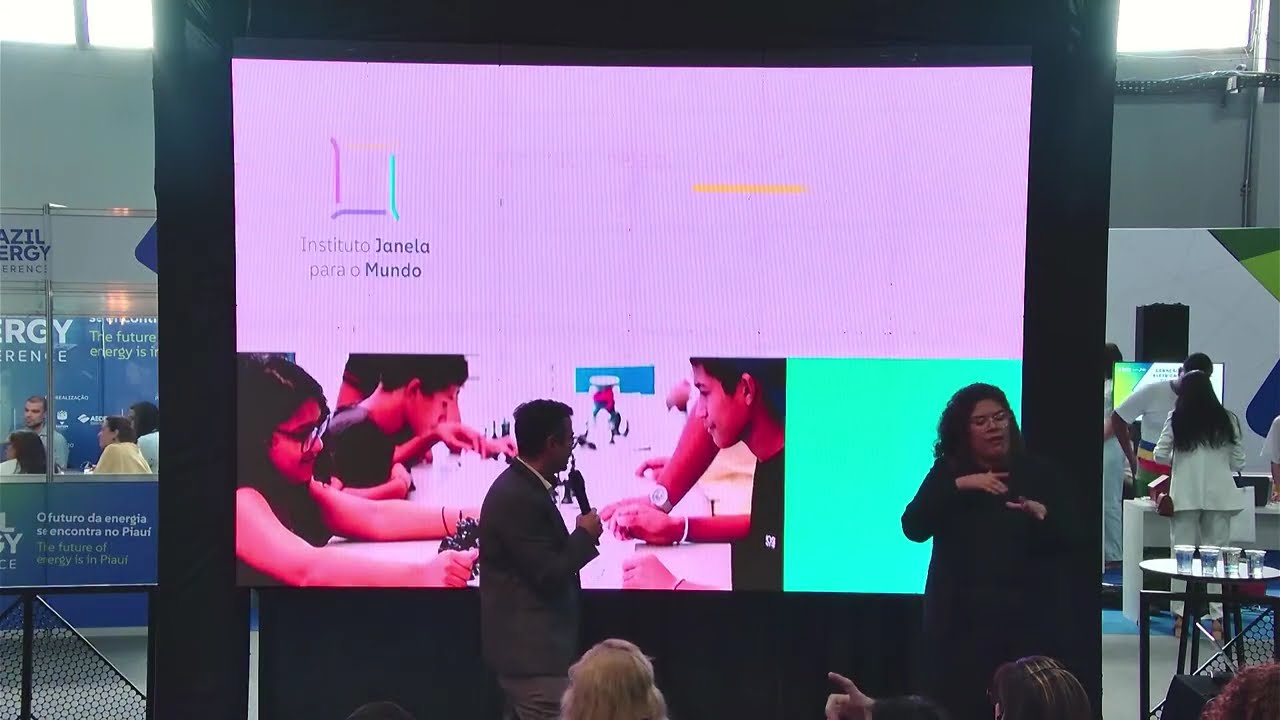
Painel 8: Curtailment no Setor de Energias Renováveis | Brazil Energy Conference
Keywords
Summary
159 words
Critical Evaluation
Value of the Information & Strength of the Argument
The information provided is valuable for understanding the current state of curtailment in Brazil, with specific examples and data points such as the reduction in transmission capacity from 13,000 MW to 8,000 MW. The argumentation is coherent, presenting a clear problem (curtailment), its causes, and proposed solutions. The speakers effectively use comparisons with other countries to illustrate different regulatory approaches. However, the argumentation is primarily based on the speakers’ professional experience and opinions, lacking rigorous quantitative analysis or references to official studies. The discussion is persuasive but could benefit from more concrete data and citations.
Scientific Rigor, Source Quality, Title Accuracy
The scientific rigor is moderate. The speakers are credible experts with relevant backgrounds, but they do not cite specific sources or studies during the presentation. The title accurately reflects the content, which is a panel discussion on curtailment. The content is well-structured and informative, but the lack of explicit references to scientific literature or official reports reduces its rigor. The adequacy between title and content is high, as the panel directly addresses the topic.
184 words
Title / Content Match
The title accurately reflects the content, which focuses on curtailment in renewable energy, including technical, regulatory, and integration challenges.
Quality & Reliability
7/10
The panel features two industry experts with relevant backgrounds, providing a detailed analysis of curtailment in Brazil. The discussion is grounded in specific examples and regulatory details, but lacks peer-reviewed sources or quantitative data from official reports. The presentation is persuasive but not fully rigorous in terms of scientific citations.
Key Moments
Markers derived by PSI from the transcript: the creator did not define chapters.
- Introduction of the panel and speakers.
- Bernardo Bezerra presents Serena Energia and its renewable assets.
- Explanation of curtailment as a global phenomenon and Brazil's unique characteristics.
- Discussion of the August 2023 blackout and its impact on transmission capacity.
- Regulatory classification of curtailment and compensation rules.
- Comparison with other countries' compensation approaches.
- Proposed solutions including battery storage and demand response.
- Q&A session on contracts and opportunities from excess generation.
Contribution & Novelties
The panel provides an insider perspective on the curtailment issue in Brazil, highlighting the regulatory gaps and the impact on renewable energy investments. It offers a clear explanation of the different types of curtailment and the compensation mechanisms, which is valuable for stakeholders. The discussion on the role of battery storage and demand response as solutions is particularly relevant.
Pour aller plus loin :
- Curtailment (electricity) — Provides a general overview of curtailment in electricity systems.
- Brazilian National System Operator (ONS) — Official site for the operator responsible for coordinating Brazil’s electricity grid.
- Energy Research Office (EPE) — Brazilian government agency for energy planning and research.
106 words
Radar Profile
The radar profile shows high scores in information quantity and quality, with moderate technical depth and reliability. This indicates a well-informed discussion but with room for more rigorous scientific backing.