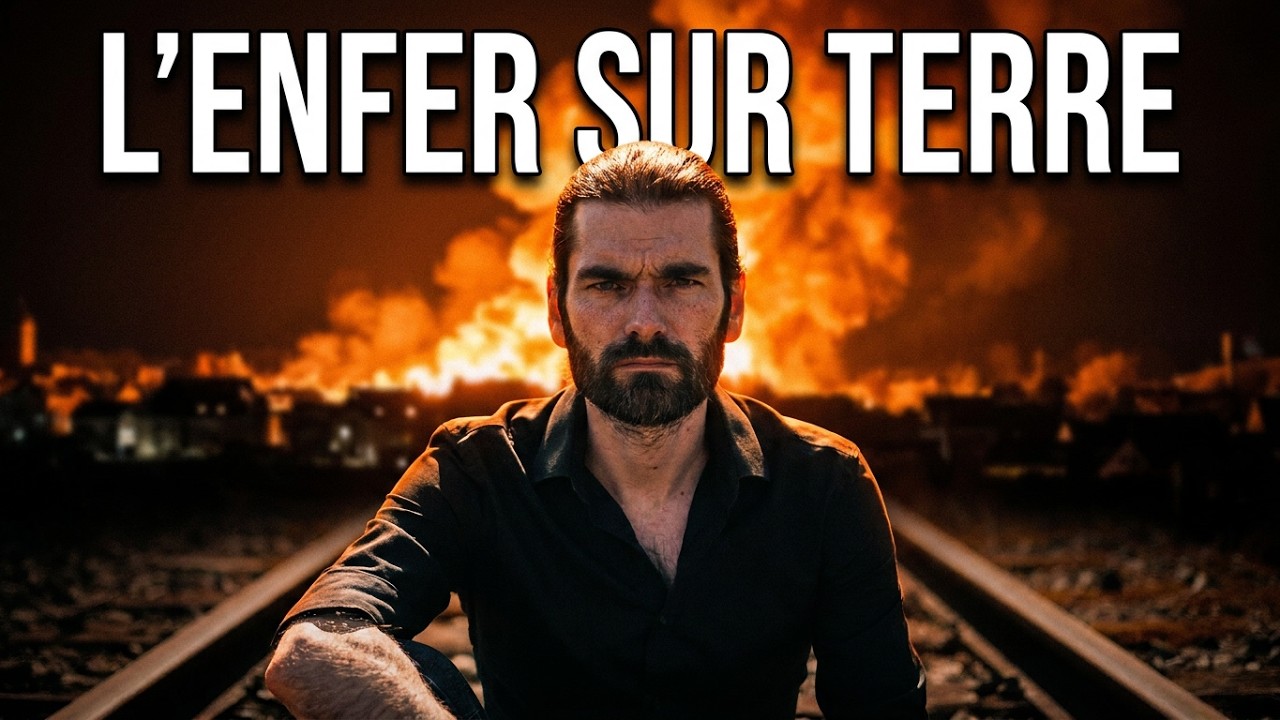
🪐Voilà ce qui se passe quand on verse du pétrole enflammé sur une ville.
Keywords
Summary
194 words
Critical Evaluation
The video is an exemplary piece of investigative journalism and science communication. AstronoGeek demonstrates a deep understanding of the technical aspects of the disaster, from the physics of the train’s movement on a slight incline to the chemistry of oil fires and the engineering of braking systems. The narrative is well-structured, starting with a vivid description of the event, then methodically dissecting the causes, and finally reflecting on the broader implications. The presenter’s use of analogies, such as comparing the train’s movement to a rolling boule de pétanque, makes complex concepts accessible without oversimplifying. The video is meticulously researched, referencing official reports and testimonies, and it avoids sensationalism, treating the victims with respect. The argumentation is solid, logically building the case that the disaster was preventable and resulted from a combination of human error, corporate negligence, and regulatory gaps. The presenter also addresses potential counterarguments, such as the role of the firefighters, but correctly places responsibility on the railway company. The quality of sources is high, as the video relies on official investigations and expert testimonies. The title, while somewhat clickbait, accurately reflects the content. Overall, this is a rigorous and compelling account that serves as both a historical record and a cautionary tale about industrial safety.
207 words
Title / Content Match
The title is somewhat sensationalist but accurately reflects the catastrophic event described.
Quality & Reliability
9/10
The video provides a detailed, well-researched account of the Lac-Mégantic disaster, based on official reports and testimonies. The presenter demonstrates rigor in explaining technical aspects and contextualizing the events. The content is factual and respectful, with no apparent sensationalism.
Key Moments
Markers derived by PSI from the transcript: the creator did not define chapters.
- Introduction and sponsorship segment
- Setting the scene: the 1.2% incline and the train's characteristics
- The fire on the locomotive and the firefighters' intervention
- The train begins to move and accelerates downhill
- The derailment and explosions in the town center
- Firefighting efforts and the challenge of burning oil
- The spread of fire through the sewer system
- Investigation into the causes: insufficient brakes and maintenance issues
- Discussion of the company's responsibility and regulatory failures
- Conclusion and lessons learned
Cited Sources
- Kevin MacLeod - Incompetech — Music used in the video, licensed under Creative Commons.
Concurring Sources
- Transportation Safety Board of Canada - Lac-Mégantic investigation report — Official investigation report confirming the causes and contributing factors.
Contribution & Novelties
The video provides a comprehensive and accessible synthesis of the Lac-Mégantic disaster, integrating technical details, investigative findings, and human impact. It offers a clear explanation of the chain of events and the systemic failures that led to the tragedy, making it valuable for both general audiences and those seeking a deeper understanding.
Pour aller plus loin :
- Lac-Mégantic derailment - Wikipedia — Provides a detailed overview of the disaster, including causes and aftermath.
- Transportation Safety Board of Canada - Lac-Mégantic investigation report — Official investigation report with technical analysis and recommendations.
- Railway Safety Act (Canada) — Legislation governing rail safety in Canada, relevant to the regulatory context.
107 words
Radar Profile
The radar profile shows high scores across all dimensions, indicating a well-rounded and reliable video. The strongest aspects are the quantity and quality of information, while the technical level is also high, making it suitable for an informed audience.
💬 Très positif. Sur les 30 commentaires analysés, la grande majorité exprime une profonde gratitude et admiration pour la rigueur et le respect de la vidéo, notamment de la part de Québécois touchés par la tragédie.