Análisis de Casos | Apneas del sueño: una mirada desde la Neuropsicología
Keywords
Summary
142 words
Critical Evaluation
Value of the Information & Strength of the Argument
The video provides valuable insights into the neuropsychological assessment and intervention for a patient with sleep apnea, illustrating the integration of theory and practice. The presenter clearly explains the assessment process, including specific tests and their results, and justifies the diagnosis of mild cognitive impairment based on functional preservation. The argumentation is coherent and grounded in clinical experience, but it lacks empirical evidence or references to support the claims. The therapeutic approach is well-described, with a focus on solution-focused brief therapy and practical interventions, but the effectiveness is based on anecdotal evidence from a single case.
Scientific Rigor, Source Quality, Title Accuracy
The video demonstrates a reasonable level of scientific rigor in the clinical assessment, using standardized tools and considering multiple sources of information (patient, informant, observations). However, no external sources are cited, and the presenter does not reference any literature or guidelines. The title accurately reflects the content, which is a case analysis from a neuropsychological perspective. The video is based on the presenter’s professional experience, which adds practical value but limits its generalizability. No comments were provided for analysis.
190 words
Title / Content Match
The title accurately reflects the content, which focuses on a clinical case of sleep apnea from a neuropsychological viewpoint.
Quality & Reliability
6/10
The video presents a clinical case analysis from a neuropsychological perspective, based on the presenter's professional experience. It includes specific assessment tools and results, but lacks peer-reviewed references and independent verification. The information is plausible and coherent, but the subjective nature and lack of external sources limit its reliability.
Key Moments
Markers derived by PSI from the transcript: the creator did not define chapters.
- Introduction and presentation of the clinical case
- Motivo de consulta and patient background
- Previous evaluations and diagnosis of sleep apnea
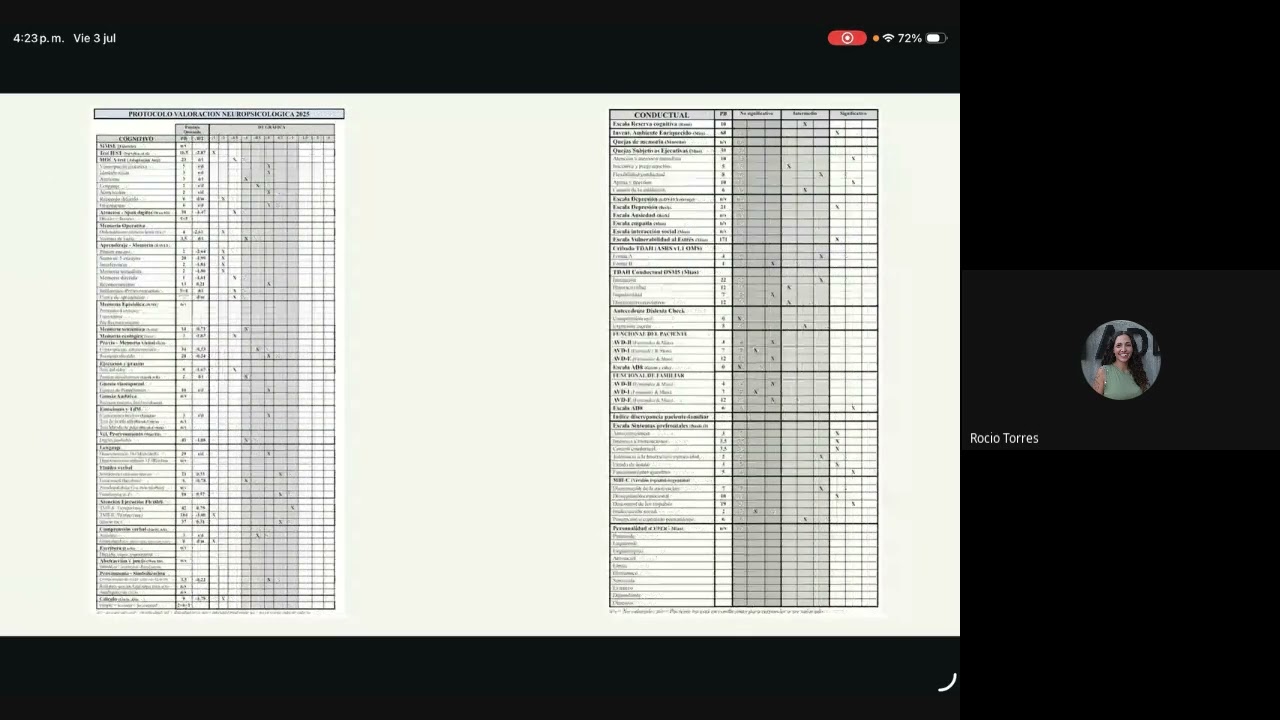
- Neuropsychological assessment results and interpretation
- Discussion of cognitive profile and diagnosis of mild cognitive impairment
- Introduction to brief consultation and therapy process
- Therapeutic interventions and skill training
- Patient's progress and feedback, including letter reading
Contribution & Novelties
The video offers a practical, case-based illustration of neuropsychological assessment and intervention for sleep apnea, highlighting the importance of integrating cognitive and emotional aspects. It demonstrates the use of solution-focused brief therapy in a neuropsychological context, which is relatively uncommon. The emphasis on supervision and the therapeutic relationship adds a valuable perspective.
Pour aller plus loin :
- Sleep apnea and cognitive impairment — Overview of the link between sleep apnea and cognitive deficits.
- Neuropsychological assessment — General overview of neuropsychological testing.
- Solution-focused brief therapy — Description of the therapeutic approach used.
91 words
Radar Profile
The radar profile shows moderate scores across all dimensions, indicating a balanced but not exceptional video. The highest score is in quantity of information, while reliability is lower, reflecting the lack of external sources.