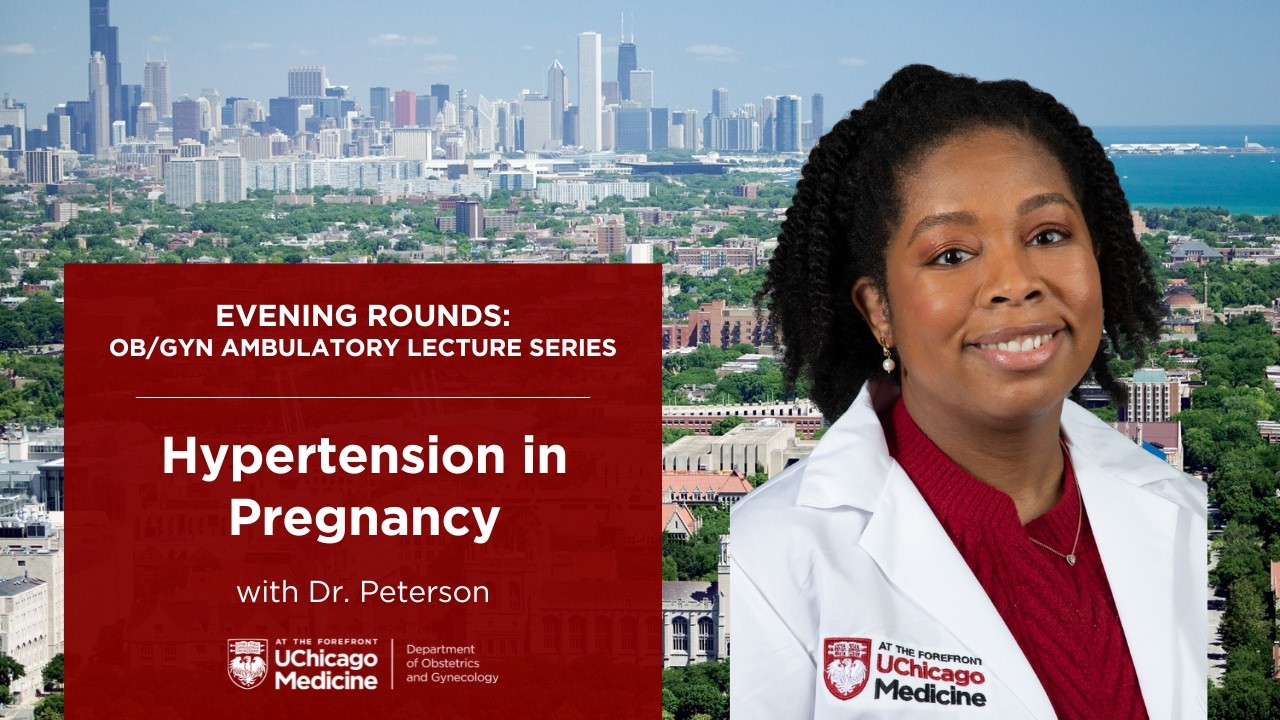
Hypertension in Pregnancy, Dr. Jessica Peterson | Evening Rounds: Ambulatory Lecture Series
Keywords
Summary
202 words
Critical Evaluation
Value of the Information & Strength of the Argument
The lecture provides valuable, clinically relevant information for OB/GYN nurses and medical assistants. It clearly explains the definitions, risks, and management of hypertensive disorders in pregnancy, using a structured approach. The argumentation is solid, based on established medical guidelines and the speaker’s expertise. The speaker effectively communicates complex concepts in an accessible manner, using examples and practical tips for clinic staff. The inclusion of a Q&A session adds value by addressing specific concerns and reinforcing key points.
86 words
Title / Content Match
The title accurately reflects the content, which is a lecture on hypertension in pregnancy.
Quality & Reliability
8/10
The content is presented by a maternal-fetal medicine specialist, providing accurate and up-to-date clinical guidelines. The information aligns with standard medical practice, though it is based on expert opinion and not original research.
Key Moments
Markers derived by PSI from the transcript: the creator did not define chapters.
- Introduction and objectives of the talk
- Definition of chronic hypertension and its risks
- Management of chronic hypertension: medications, aspirin, fetal surveillance
- Definition and risks of gestational hypertension
- Management of gestational hypertension: serial growth, antenatal testing, delivery timing
- Difference between gestational hypertension and preeclampsia without severe features
- Definition and diagnosis of preeclampsia with severe features
- Signs and symptoms of preeclampsia and practical tips for clinic staff
- Q&A session and discussion on long-term cardiovascular risks
Cited Sources
- March of Dimes — Referenced as a source for patient education materials on preeclampsia.
Concurring Sources
- ACOG Practice Bulletin on Gestational Hypertension and Preeclampsia — Provides similar diagnostic criteria and management recommendations.
Contribution & Novelties
The lecture provides a clear and concise overview of hypertensive disorders in pregnancy, specifically tailored for nursing and medical assistant staff. It emphasizes practical clinical points, such as recognizing warning signs and performing urine dipstick tests, which are often overlooked. The speaker also highlights the importance of long-term cardiovascular risk assessment for women with a history of preeclampsia, a topic of growing relevance.
Pour aller plus loin :
- Preeclampsia and Eclampsia — WHO fact sheet on preeclampsia, providing global statistics and management guidelines.
- Hypertensive Disorders of Pregnancy — ACOG practice bulletin on gestational hypertension and preeclampsia, offering detailed clinical recommendations.
- Preeclampsia Foundation — Patient advocacy organization with resources for education and support.
- Cardiovascular Risk After Preeclampsia — Study on long-term cardiovascular risks associated with preeclampsia.
125 words
Radar Profile
The radar profile shows high scores in information quantity, quality, and reliability, with a slightly lower technical level, indicating a well-balanced and accessible educational resource.
💬 No comments were provided for analysis.