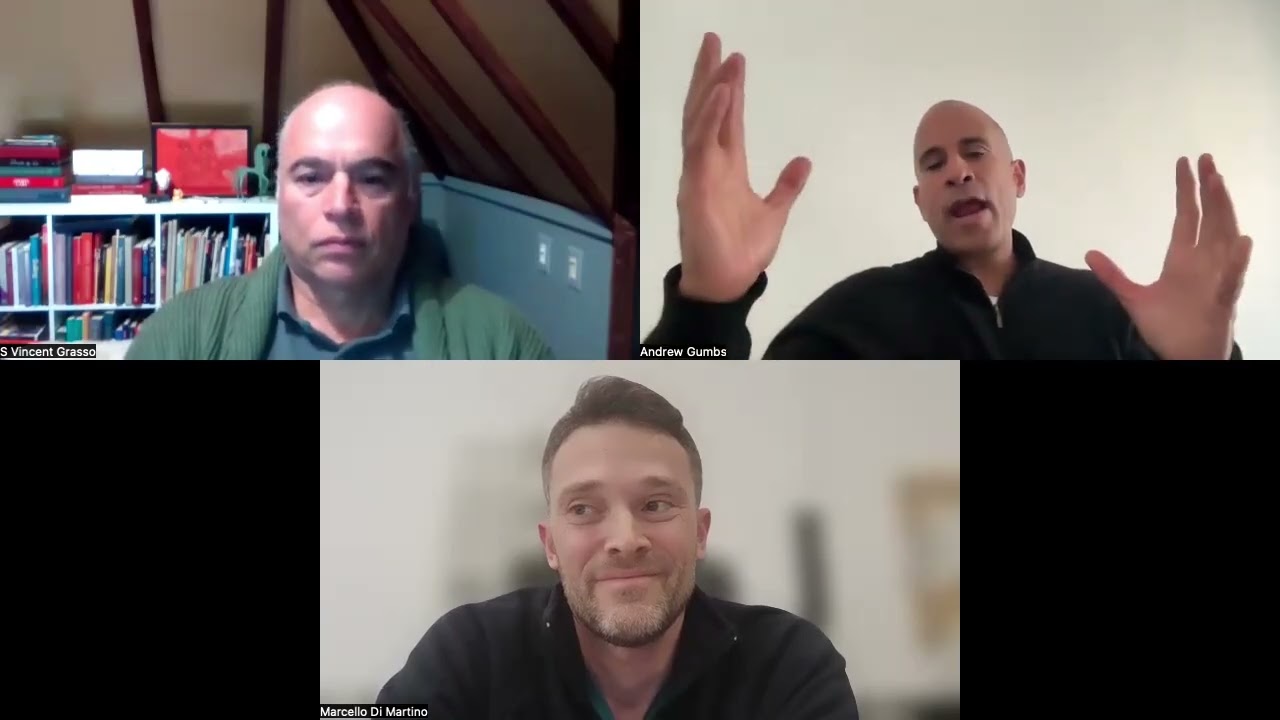
Episode 82: Interview of Dr.Marcello Di Martino
Keywords
Summary
168 words
Critical Evaluation
Value of the Information & Strength of the Argument
The value of the information lies in the firsthand experience of a practicing HPB surgeon with AI tools. Dr. Di Martino provides practical insights into how AI can support clinical and research tasks, such as using ChatGPT for grammar review or creating bundles for acute pancreatitis. He also highlights limitations, including the unreliability of AI-generated references and the need for careful prompt engineering. The argumentation is anecdotal and based on personal experience rather than systematic evidence. The hosts contribute to the discussion by citing a study on ChatGPT’s underestimation of emergencies and the risks of patient self-diagnosis. The conversation is engaging but lacks depth in scientific detail, with no specific data or studies cited beyond general references.
Scientific Rigor, Source Quality, Title Accuracy
The scientific rigor is moderate. The discussion is based on personal experience and general knowledge rather than cited studies. The hosts mention a study from The Guardian but do not provide specific details or a direct link. Dr. Di Martino mentions a paper on acute pancreatitis bundles published in Annals, but no citation is given. The title accurately reflects the content, as it is an interview with Dr. Di Martino. The podcast is associated with the journal ‘Artificial Intelligence Surgery’, which adds some credibility, but the episode itself lacks formal references. The conversation is more of a casual discussion than a rigorous scientific review.
236 words
Title / Content Match
The title accurately reflects the content: an interview with Dr. Marcello Di Martino.
Quality & Reliability
6/10
The interview features an experienced HPB surgeon discussing AI applications in surgery, but it is largely anecdotal and lacks detailed scientific evidence or citations.
Key Moments
Markers derived by PSI from the transcript: the creator did not define chapters.
- Introduction of the podcast and guest Dr. Marcello Di Martino.
- Dr. Di Martino discusses his background and training in Spain.
- Discussion about his fellowship at Royal Free in London and time at Mayo Clinic.
- Dr. Di Martino talks about his role with IHPBA and early career group.
- Conversation shifts to AI in surgery, with Dr. Di Martino sharing his cautious views.
- Discussion on ChatGPT's limitations, including hallucinated references and risks for patients.
- Dr. Di Martino mentions his research on acute pancreatitis bundles and AI comparison.
- Discussion on AI in transplant, including using photos to assess liver quality.
Cited Sources
- Artificial Intelligence Surgery journal — The podcast is the official podcast of this journal, which is dedicated to AI in surgery.
Concurring Sources
- Artificial Intelligence Surgery journal — The podcast is affiliated with this journal, which supports the discussion's context.
Contribution & Novelties
The interview provides a personal perspective on the integration of AI in HPB surgery, highlighting practical uses and limitations. It emphasizes the importance of domain expertise in prompt engineering and the risks of AI-generated misinformation. The discussion on using smartphone photos to assess liver quality during retrieval is a novel practical application.
Pour aller plus loin :
- Artificial Intelligence in Surgery — Overview of AI applications in surgery.
- Large language models in medicine — Review of LLMs in healthcare.
- Radiomics — Concept related to extracting quantitative features from medical images.
90 words
Radar Profile
The radar profile shows moderate scores across all dimensions, indicating a balanced but not deeply technical discussion. The highest score is in fiabilite_globale, reflecting the credibility of the speakers, while quantite_information is lower due to the conversational nature.
💬 No comments were provided for analysis.