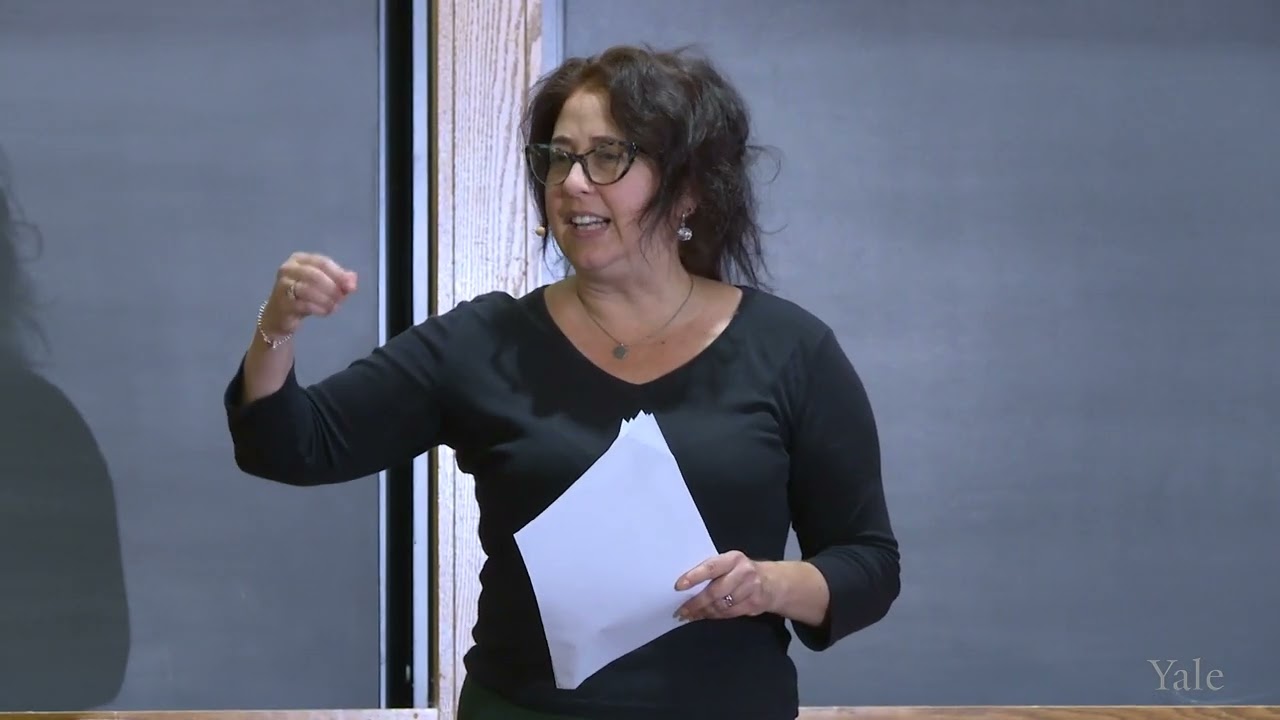
European Intellectual History since Nietzsche: Class 2, The Heritage of the Enlightenment
Keywords
Summary
153 words
Critical Evaluation
The lecture provides a solid introductory overview of the Enlightenment, suitable for students new to the topic. Professor Shore’s approach is engaging and accessible, using clear examples and metaphors to explain complex ideas. She correctly situates the Enlightenment within a broader historical narrative, connecting it to later developments such as Romanticism and the death of God. The emphasis on reason as a central theme is well-justified, and her discussion of Descartes’ epistemological turn is accurate and insightful. However, the lecture is necessarily broad and lacks depth on specific thinkers and debates. For instance, the contributions of Locke, Hume, and Kant are only briefly mentioned, and the diversity within the Enlightenment is not fully explored. The Eurocentric critique is noted but not developed. The sources cited are primarily the course materials and the lecture itself, which is appropriate for an introductory lecture but limits the ability to verify specific claims. The lecture’s strength lies in its pedagogical clarity and the professor’s expertise, though it does not offer new scholarly insights. Overall, it is a reliable and informative introduction, but it should be supplemented with primary texts and more detailed secondary literature for a comprehensive understanding.
194 words
Title / Content Match
The title accurately reflects the content, which focuses on the Enlightenment as a foundational period in European intellectual history.
Quality & Reliability
8/10
Lecture by a Yale professor, part of an accredited course, with a clear academic structure and references to primary sources. The content is well-informed and balanced, though it is an introductory overview and not peer-reviewed.
Key Moments
Markers derived by PSI from the transcript: the creator did not define chapters.
- Introduction to the course and the lecture's scope: Enlightenment and Romanticism.
- Discussion of key words and the importance of reason in the Enlightenment.
- Overview of the Enlightenment as an age of reason and its Eurocentric nature.
- The exaltation of reason and the demotion of God; the shift to a progressive view of time.
- Empiricism and positivism as key methods; the model of hard sciences.
- Introduction to Descartes and his radical doubt as the foundation of modern epistemology.
- Explanation of the cogito ergo sum and its significance.
- Discussion of disenchantment (Entzauberung) and its implications.
- Transition to Romanticism as a reaction to the Enlightenment.
- Concluding remarks and preview of the next lecture.
Cited Sources
- Course syllabus and handouts — Official course materials for HIST 271/HUMS 339, including syllabus and handouts.
- Course playlist — Playlist containing all lectures of the course.
Concurring Sources
- Stanford Encyclopedia of Philosophy: Enlightenment — Provides a comprehensive overview of the Enlightenment, its key thinkers, and debates.
Contribution & Novelties
This lecture provides a clear and accessible introduction to the Enlightenment, emphasizing the central role of reason and the shift from a religious to a rational worldview. It effectively sets the stage for the rest of the course by introducing key concepts such as disenchantment and the epistemological turn initiated by Descartes.
Pour aller plus loin :
- Immanuel Kant’s ‘What is Enlightenment?’ — A primary text that defines the Enlightenment and its motto ‘Sapere aude’.
- René Descartes’ Meditations on First Philosophy — The foundational text for modern epistemology, introducing radical doubt and the cogito.
- Max Weber’s ‘Science as a Vocation’ — Discusses the disenchantment of the world and the rationalization of modern society.
113 words
Radar Profile
The radar profile shows high scores in information quantity, quality, and reliability, with a slightly lower score in technical level, reflecting the introductory nature of the lecture. The overall balance indicates a solid educational resource.
💬 Sur les 0 commentaires analysés, aucune tendance n'a pu être dégagée.