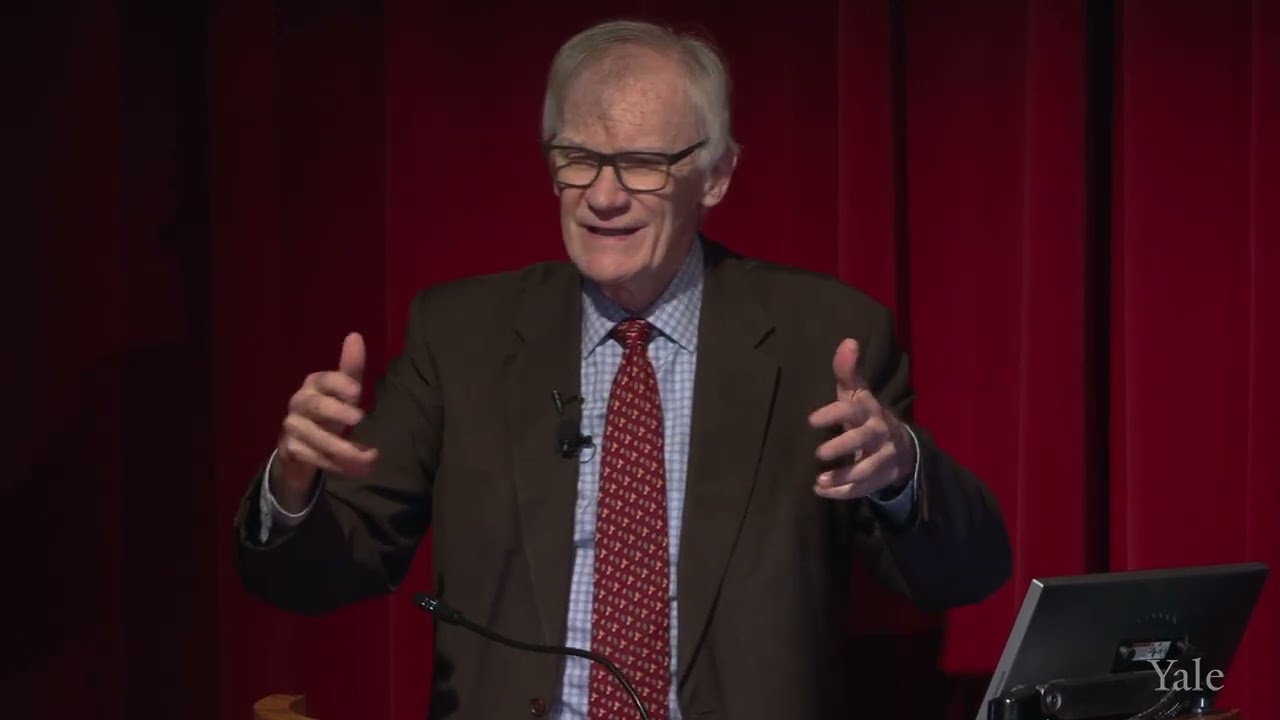
Class 9, Ideologies and Economies: Southern World Views/Northern World Views
Keywords
Summary
146 words
Critical Evaluation
The lecture provides a comprehensive overview of the ideological and economic divisions between the North and South in the antebellum United States. Professor Blight effectively uses primary sources, such as Lincoln’s Lyceum speech, and contemporary scholarship, including Levitsky and Ziblatt’s ‘How Democracies Die’ and Alan Taylor’s ‘American Civil Wars’, to support his arguments. The discussion of democratic norms is particularly insightful, drawing parallels between the 19th century and modern political challenges. However, the lecture is not without limitations. Blight’s interpretation is subjective, and he occasionally makes sweeping generalizations about regional worldviews. The reliance on secondary sources, while appropriate for a lecture, means that some claims are not critically examined. Additionally, the lecture focuses heavily on political and economic factors, with less attention to social and cultural aspects. Despite these minor issues, the lecture is intellectually stimulating and offers a nuanced perspective on the causes of the Civil War. The inclusion of visual aids, such as maps and images, enhances the presentation. Overall, the lecture is a valuable resource for understanding the complexities of antebellum America.
175 words
Title / Content Match
The title accurately reflects the lecture's focus on comparing Southern and Northern ideologies and economies in the antebellum period.
Quality & Reliability
8/10
Lecture by a Yale professor, part of a structured course, with references to scholarly works and primary sources. The content is well-researched and presented with academic rigor, though it is an opinionated interpretation rather than a peer-reviewed study.
Key Moments
Markers derived by PSI from the transcript: the creator did not define chapters.
- Introduction and apology for missed class
- Lincoln's Lyceum speech and its significance
- Discussion of 'How Democracies Die' and democratic norms
- Comparison of North and South geographical size and language
- Internal slave trade and transportation of enslaved people
- Cultural representations: Bingham's painting and child labor
- Alan Taylor's 'American Civil Wars' and the union of states
- Conclusion and preview of next lecture
Cited Sources
- Can It Happen Here Again? Yale, Slavery, and Legacies: 2024 DeVane Lecture Series — Playlist of the lecture series
Concurring Sources
- How Democracies Die — The book by Levitsky and Ziblatt, which the lecture references for its discussion of democratic norms.
- American Civil Wars: A Continental History, 1850-1873 — Alan Taylor's recent book, which argues that the United States was a union of states rather than a unified nation.
Contribution & Novelties
This lecture provides a nuanced comparison of Northern and Southern worldviews, integrating political science concepts like democratic norms with historical analysis. It offers a fresh perspective on the antebellum period by emphasizing the role of norms in maintaining democracy.
Pour aller plus loin :
- How Democracies Die — The book by Levitsky and Ziblatt, which the lecture references for its discussion of democratic norms.
- American Civil Wars: A Continental History, 1850-1873 — Alan Taylor’s recent book, which argues that the United States was a union of states rather than a unified nation.
- Lincoln’s Lyceum Address — The speech by Abraham Lincoln that the lecture opens with, highlighting the dangers of internal division.
112 words
Radar Profile
The radar profile shows high scores in information quantity, quality, and reliability, with a slightly lower technical level, reflecting the lecture's accessibility and academic depth.