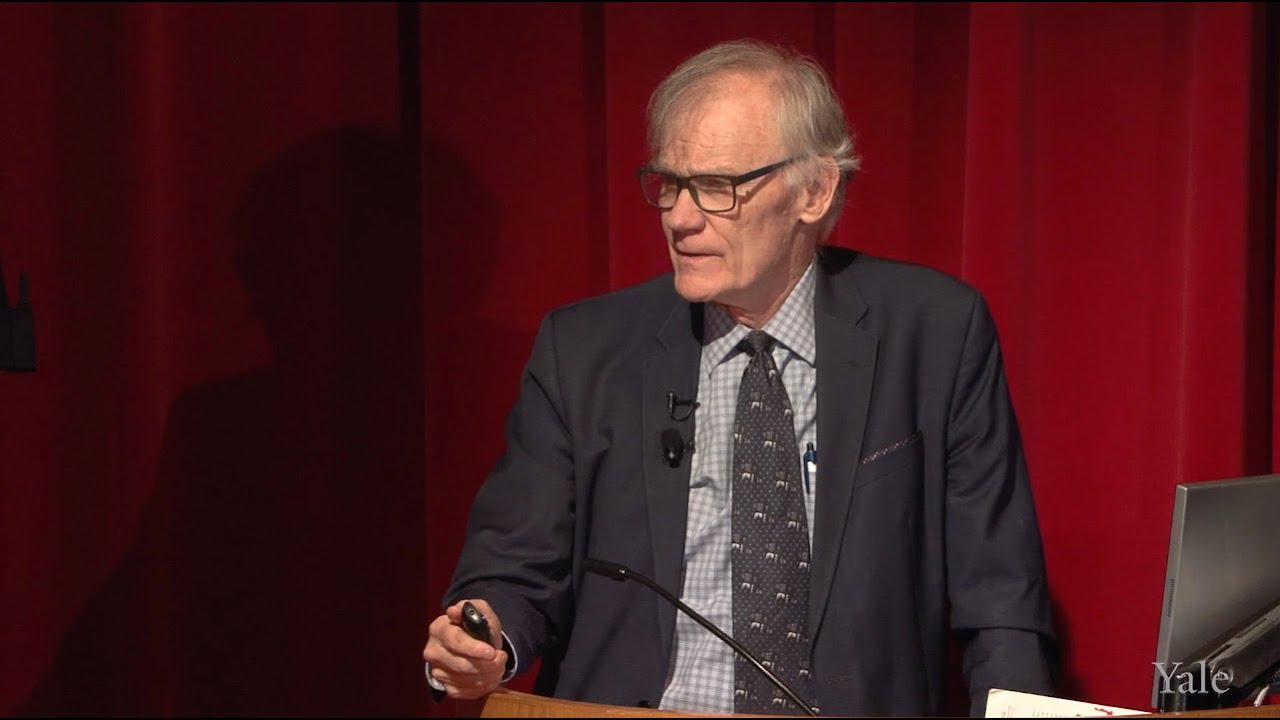
Class 19, Wartime Reconstruction and the Ends of War
Keywords
Summary
107 words
Critical Evaluation
The lecture is a masterful blend of historical analysis and literary interpretation. Blight’s use of poetry, particularly Whitman’s ‘When Lilacs Last in the Dooryard Bloomed’, provides a poignant emotional context for the end of the war. His discussion of Sinclair Lewis’s novel is insightful, drawing clear parallels to modern political anxieties. The argumentation is solid, grounded in historical evidence and primary sources. The lecture is well-structured, moving from the immediate aftermath of the war to the broader implications for Reconstruction. The sources cited are credible, including primary documents and literary works. The title accurately reflects the content, focusing on wartime reconstruction and the ends of war. Overall, this is an excellent lecture that offers deep insights into a pivotal moment in American history.
123 words
Title / Content Match
The title accurately reflects the content, focusing on wartime reconstruction and the end of the Civil War.
Quality & Reliability
9/10
Lecture by a distinguished historian, part of an academic series, with references to primary sources and literature. High reliability.
Key Moments
Markers derived by PSI from the transcript: the creator did not define chapters.
- Introduction and opening remarks
- Reading of Herman Melville's poem 'The Martyr'
- Discussion of Sinclair Lewis's 'It Can't Happen Here'
- Analysis of the election of 1864 and the fall of Atlanta
- Discussion of Sherman's military strategy
- Reading of Walt Whitman's 'When Lilacs Last in the Dooryard Bloomed'
- Reflections on the assassination of Lincoln
- Discussion of the challenges of Reconstruction
- Conclusion and final thoughts
Cited Sources
- Can It Happen Here Again? Yale, Slavery, and Legacies: 2024 DeVane Lecture Series — Playlist of the lecture series
Concurring Sources
- The Civil War and Reconstruction — Library of Congress collection on the era
Contribution & Novelties
The lecture provides a unique perspective on the end of the Civil War, integrating literary analysis with historical narrative. It offers a nuanced understanding of the emotional and political climate of the time.
Pour aller plus loin :
- Walt Whitman’s ‘When Lilacs Last in the Dooryard Bloomed’ — The poem is central to the lecture’s exploration of grief and remembrance.
- Herman Melville’s ‘The Martyr’ — The poem is quoted at the beginning to frame the assassination.
- Sinclair Lewis’s ‘It Can’t Happen Here’ — The novel is used to draw parallels with contemporary politics.
93 words
Radar Profile
The radar profile shows high scores in quantity and quality of information, with a moderate technical level, indicating a lecture that is both informative and accessible.