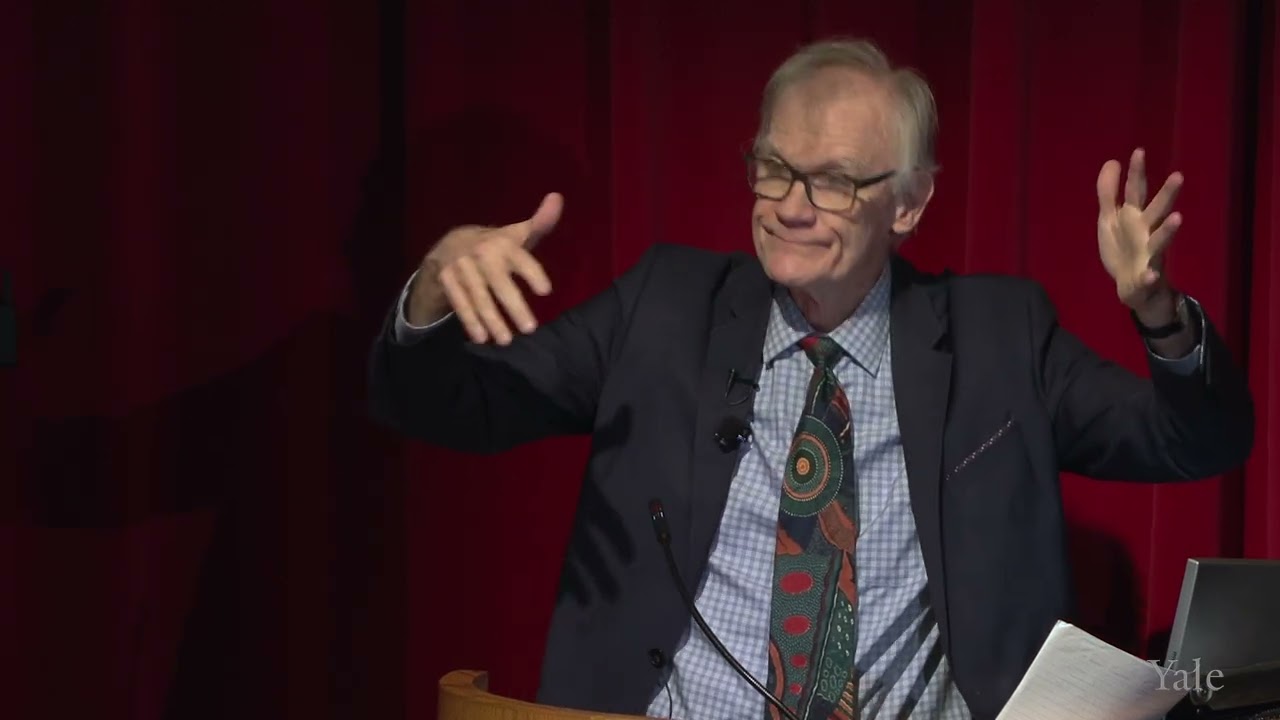
Class14, Terrible Swift Sword: Confederate Ascendency and Ultimate Defeat
Keywords
Summary
145 words
Critical Evaluation
The lecture is a masterful blend of narrative and analysis, characteristic of David Blight’s scholarly approach. Blight effectively uses primary sources, such as letters and poems, to convey the emotional and ideological fervor of 1861. His discussion of Theodore Winthrop provides a personal entry point into the broader themes of motivation and sacrifice. The lecture is well-structured, moving from the cultural context to the military events, and it maintains a clear focus on the central role of slavery in the conflict. Blight’s expertise is evident in his nuanced interpretation of the war’s causes and his ability to connect individual experiences to larger historical forces. The sources cited are credible, including primary documents and scholarly works, though the lecture format limits the depth of citation. The title accurately reflects the content, and the lecture successfully sets the stage for the series’ overarching question about the fragility of democracy. The only minor weakness is the occasional digression, but these are often illuminating. Overall, this is a high-quality lecture that offers valuable insights into the Civil War era.
175 words
Title / Content Match
The title accurately reflects the lecture's focus on the period of Confederate ascendancy and eventual defeat, covering key battles and themes.
Quality & Reliability
8/10
Lecture by a Yale professor, part of a DeVane Lecture series, based on scholarly research and primary sources. The content is well-structured and historically accurate, though it is a lecture rather than a peer-reviewed publication.
Key Moments
Markers derived by PSI from the transcript: the creator did not define chapters.
- Introduction to the lecture and discussion of Walt Whitman's poems about the war fever of 1861.
- Story of Theodore Winthrop, first Yale graduate killed in the war, and his motivations.
- Discussion of the enthusiasm for war and the role of bands and photographers.
- Introduction of Charles Harvey Brewster and his letters from the front.
- Analysis of the military leadership and the early battles of the war.
- Discussion of the issue of contrabands and the question of emancipation.
- Exploration of the Confederate ascendancy and the challenges faced by the Union.
- Examination of the turning points and the eventual Union victory.
- Reflections on the legacy of the war and its connection to the present.
Cited Sources
- Can It Happen Here Again? Yale, Slavery, and Legacies: 2024 DeVane Lecture Series — Playlist containing all lectures in the series, including this one.
Concurring Sources
- Battle Cry of Freedom — James McPherson's Pulitzer Prize-winning history of the Civil War, which aligns with Blight's interpretations.
Contribution & Novelties
This lecture provides a compelling narrative of the early Civil War, emphasizing the cultural and emotional dimensions of the conflict. Blight’s use of personal stories, such as Theodore Winthrop and Charles Harvey Brewster, offers a human perspective often missing from military histories. The lecture also underscores the centrality of slavery and emancipation, setting the stage for deeper exploration in subsequent lectures.
Pour aller plus loin :
- Walt Whitman’s poetry — Whitman’s poems capture the spirit of the era.
- Theodore Winthrop biography — More on the first Yale graduate killed in the war.
- Ambrose Bierce’s Civil War stories — Satirical accounts of the war by a veteran.
106 words
Radar Profile
The radar profile shows high scores in information quality and reliability, reflecting the scholarly nature of the lecture. The quantity of information is also strong, though the technical level is moderate, suitable for a general audience. Overall, the lecture is well-balanced and informative.