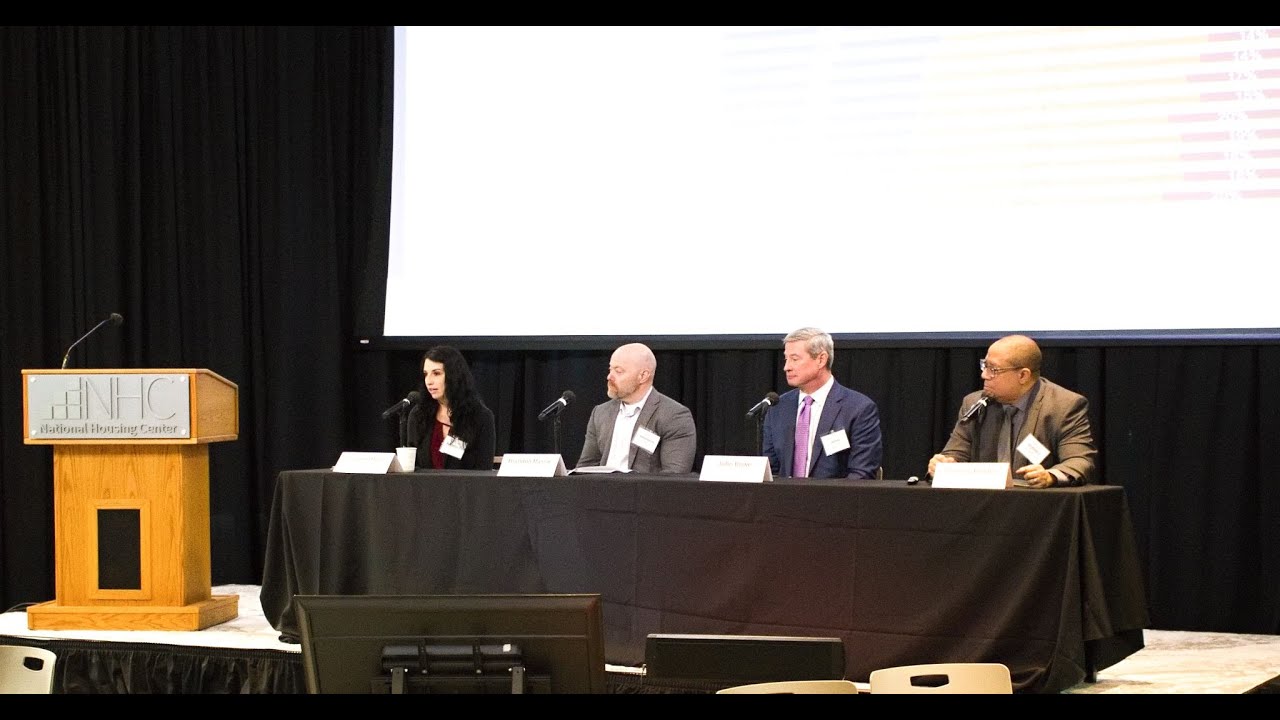
EBRI 2025 Financial Wellbeing Symposium — Designing Caregiving Benefits Across Life Stages
Keywords
Summary
166 words
Critical Evaluation
Value of the Information & Strength of the Argument
The video provides valuable insights into the current state of caregiving benefits in the workplace, supported by statistics from reputable sources like AARP and the National Alliance for Caregiving. The panelists offer practical examples from their own organizations, such as Johns Hopkins’ office of clinician and faculty care and Bright Horizons’ backup care services. The argumentation is coherent and grounded in real-world experience, though it relies heavily on anecdotal evidence and lacks rigorous academic citations. The discussion is balanced, acknowledging both the benefits and challenges of implementing caregiving support, including cost and fairness concerns. The panel effectively argues that caregiving support is a business imperative, not just a nice-to-have, by linking it to employee productivity and retention.
Scientific Rigor, Source Quality, Title Accuracy
The panelists cite data from AARP, the National Alliance for Caregiving, and Bright Horizons’ Modern Family Index, but no specific studies or reports are named in detail. The sources are credible but not directly verifiable from the video alone. The title accurately reflects the content, which focuses on designing caregiving benefits across life stages. The discussion is well-structured and stays on topic, though it could benefit from more concrete data and references. The panelists’ expertise lends credibility, but the lack of detailed citations reduces the overall scientific rigor.
220 words
Title / Content Match
The title accurately reflects the content, which focuses on designing caregiving benefits across different life stages.
Quality & Reliability
7/10
Panel of experts from reputable organizations (Morgan Stanley, Johns Hopkins, Kaiser Permanente, Bright Horizons) discussing caregiving benefits. Data cited from AARP, National Alliance for Caregiving, and Bright Horizons surveys, but no direct links or detailed methodology provided. The discussion is largely anecdotal and based on professional experience.
Key Moments
Markers derived by PSI from the transcript: the creator did not define chapters.
- Introduction by Rodney Balden, setting the stage with caregiving statistics.
- Elizabeth Myers discusses key insights from Bright Horizons research on caregiving.
- John Bo talks about the diverse challenges faced by caregivers at Johns Hopkins.
- Brandon Massie explains how employers' support varies by industry and company culture.
- Elizabeth Myers details specific caregiving benefits like backup care and elder care coaching.
- John Bo discusses mental health support programs for caregivers.
- Brandon Massie addresses employer resistance and how to overcome it.
- Discussion on leveraging existing vendors like EAPs for caregiving support.
- Panelists share final thoughts on the future of caregiving benefits.
Cited Sources
- AARP and National Alliance for Caregiving — Cited for statistics on caregiving prevalence.
- Bright Horizons Modern Family Index — Cited for survey data on working parents' perceptions.
Concurring Sources
- AARP and National Alliance for Caregiving — Statistics on caregiving prevalence align with the panel's discussion.
- Bright Horizons Modern Family Index — Survey findings on working parents' perceptions align with the panel's points.
Contribution & Novelties
The video provides a comprehensive overview of caregiving benefits from the perspective of multiple stakeholders, including a health system, a consulting firm, and a care provider. It offers practical examples and addresses both the employee and employer perspectives. The discussion highlights the importance of tailoring benefits to diverse employee needs and overcoming stigma. It also emphasizes leveraging existing resources like EAPs and training programs.
Pour aller plus loin :
- Family and Medical Leave Act (FMLA) — U.S. federal law providing unpaid leave for caregiving.
- National Alliance for Caregiving — Research and advocacy organization on caregiving.
- AARP Caregiving Resource Center — Resources and information for caregivers.
105 words
Radar Profile
The radar profile shows high scores in quantity and quality of information, moderate technical level, and high reliability. This indicates a well-rounded discussion with practical insights, though not highly technical or deeply research-based.
💬 No comments were provided for analysis.