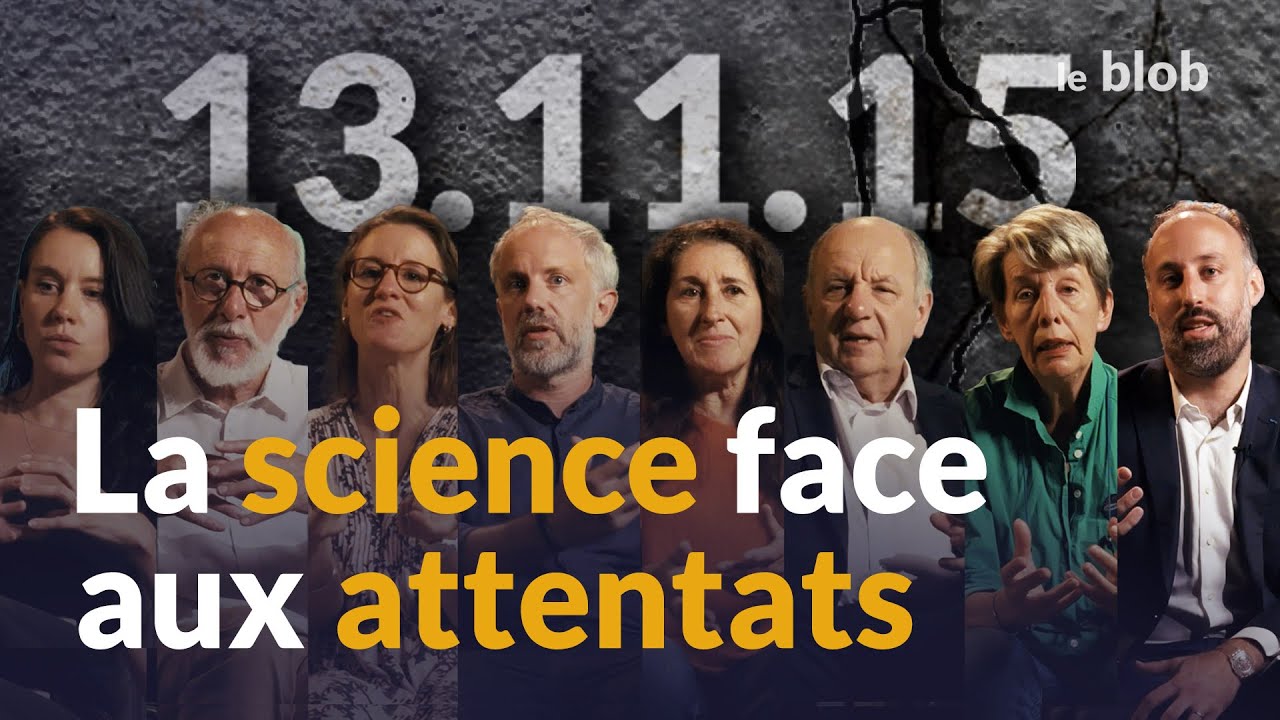
13 novembre 2015 : dix ans après, comment la communauté scientifique s’est mobilisée
Keywords
Summary
140 words
Critical Evaluation
Value of the Information & Strength of the Argument
The documentary provides valuable insights into the scientific study of trauma and memory, presenting complex concepts in an accessible manner. It argues for the importance of longitudinal and transdisciplinary research, supported by testimonies from researchers and participants. The argumentation is solid, with clear explanations of methodologies and findings, such as the role of the hippocampus in PTSD recovery. However, some claims could benefit from more direct citations to specific studies.
79 words
Title / Content Match
The title accurately reflects the content, which focuses on the scientific community's response to the November 13 attacks over the past decade.
Quality & Reliability
8/10
The documentary features testimonies from researchers, victims, and association representatives, and references specific studies (Étude 1000, Remember) and publications (British Journal of Psychiatry). The scientific content is presented with rigor, though some claims lack detailed citations within the video.
Chapters
Cited Sources
- Le Blob website — Official website of the media outlet, providing additional resources and articles.
- YouTube subscription link — Link to subscribe to the channel for more content.
Concurring Sources
- Programme 13-Novembre — Official website of the research program, corroborating the existence and scope of the studies mentioned.
Contribution & Novelties
The documentary offers a unique perspective on the intersection of scientific research and collective memory following a major traumatic event. It highlights innovative methodologies, such as the use of textometry on memorial messages and the longitudinal design of the studies. The film emphasizes the importance of transdisciplinary collaboration and the ethical considerations in studying trauma.
Pour aller plus loin :
- Programme 13-Novembre — Official website of the research program, providing detailed information on the studies and publications.
- Étude 1000 — Description of the longitudinal study on memory.
- Remember study — Information on the biomedical study on PTSD and resilience.
- Post-traumatic stress disorder — General overview of PTSD, its symptoms, and treatments.
- Hippocampus and memory — Explanation of the role of the hippocampus in memory and its relevance to PTSD research.
130 words
Radar Profile
The radar profile shows high scores in information quantity, quality, and reliability, with a slightly lower technical level, indicating that the content is rich and credible but may require some background knowledge to fully appreciate.
💬 Sur les 0 commentaires analysés, aucune tendance n'est disponible.