Lecture 8 | Amy Ashwood Garvey: Global Pan-African Feminist | Part 1
Keywords
Summary
172 words
Critical Evaluation
Value of the Information & Strength of the Argument
The lecture provides valuable historical information about a significant but understudied figure in Pan-African history. Reddock’s argument is well-supported by evidence from primary sources, such as Amy Ashwood’s own accounts and archival records. She effectively demonstrates Amy Ashwood’s centrality to the early UNIA and her later contributions to Pan-Africanist and feminist organizing. The argumentation is coherent and persuasive, though it acknowledges differing interpretations, such as Tony Martin’s skepticism about Amy Ashwood’s role as co-founder. Reddock also situates Amy Ashwood within broader Caribbean feminist and Pan-Africanist movements, adding depth to the analysis.
Scientific Rigor, Source Quality, Title Accuracy
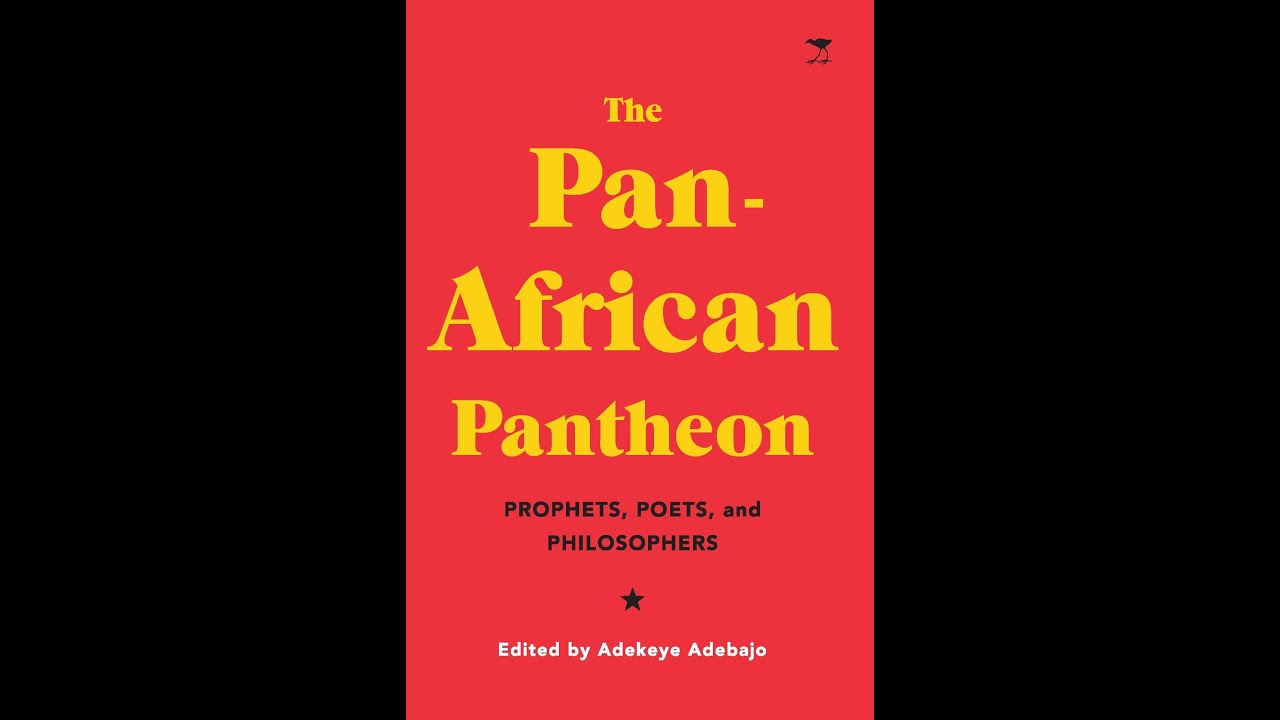
The lecture demonstrates strong scientific rigor, drawing on academic research and primary sources. Reddock references her own published work and the edited volume ‘The Pan-African Pantheon.’ The sources cited in the description provide access to the book, which includes the chapter on Amy Ashwood Garvey. The title accurately reflects the content, focusing on her role as a global Pan-African feminist. The lecture is well-structured and maintains a scholarly tone throughout.
176 words
Title / Content Match
The title accurately reflects the content: a lecture on Amy Ashwood Garvey as a global Pan-African feminist.
Quality & Reliability
8/10
Lecture by a recognized academic (Emeritus Professor) based on a published chapter in an edited volume, with references to historical archives and scholarly works. The presentation is well-structured and grounded in academic research, though it is a single perspective and not peer-reviewed in this format.
Key Moments
Markers derived by PSI from the transcript: the creator did not define chapters.
- Introduction and welcome by the moderator, Akaita Alfred, setting the context for the lecture series.
- Professor Reddock introduces the topic and explains the significance of Amy Ashwood Garvey.
- Discussion of Amy Ashwood's early life in Jamaica and her meeting with Marcus Garvey.
- Amy Ashwood's role in the founding of the UNIA and her advocacy for women's leadership.
- The couple's move to Harlem and the growth of the UNIA, including the Black Star Line.
- The divorce from Marcus Garvey and Amy Ashwood's subsequent travels and activism.
- Amy Ashwood's life in London, her restaurant as a meeting place, and her involvement in anti-colonial organizations.
- Her work with the International African Friends of Ethiopia and the International African Service Bureau.
- Her return to Jamaica and the United States, and her continued feminist and political activism.
Cited Sources
- The Pan-African Pantheon: Prophets, Poets, and Philosophers (Jacana Media) — Book containing the chapter by Professor Reddock on Amy Ashwood Garvey.
- The Pan-African Pantheon: Prophets, Poets, and Philosophers (Manchester University Press) — International edition of the same book.
Concurring Sources
- The Pan-African Pantheon: Prophets, Poets, and Philosophers — The book includes the chapter by Reddock, which aligns with the lecture's content.
Dissenting Sources
- Tony Martin's biography of Amy Ashwood Garvey — Tony Martin's biography is noted as unsympathetic and disputes Amy Ashwood's role as co-founder of the UNIA, presenting a contrasting interpretation.
Contribution & Novelties
This lecture contributes to the growing scholarship on Amy Ashwood Garvey, highlighting her role as a global Pan-African feminist and correcting historical neglect. It provides a nuanced analysis of her life and work, emphasizing her feminist consciousness and internationalist perspective. The lecture also situates her within broader Caribbean feminist and Pan-Africanist movements, offering new insights into the intersections of race, gender, and politics in the early 20th century.
Pour aller plus loin :
- Pan-Africanism — Overview of the Pan-African movement.
- Universal Negro Improvement Association — Details on the organization co-founded by Amy Ashwood Garvey.
- Feminism in the Caribbean — Context on Caribbean feminist movements.
104 words
Radar Profile
The radar profile shows high scores in quantity and quality of information, reflecting the lecture's rich historical detail and academic rigor. The technical level is moderate, making it accessible to a general audience while still providing depth. Overall, the lecture is highly reliable and informative.