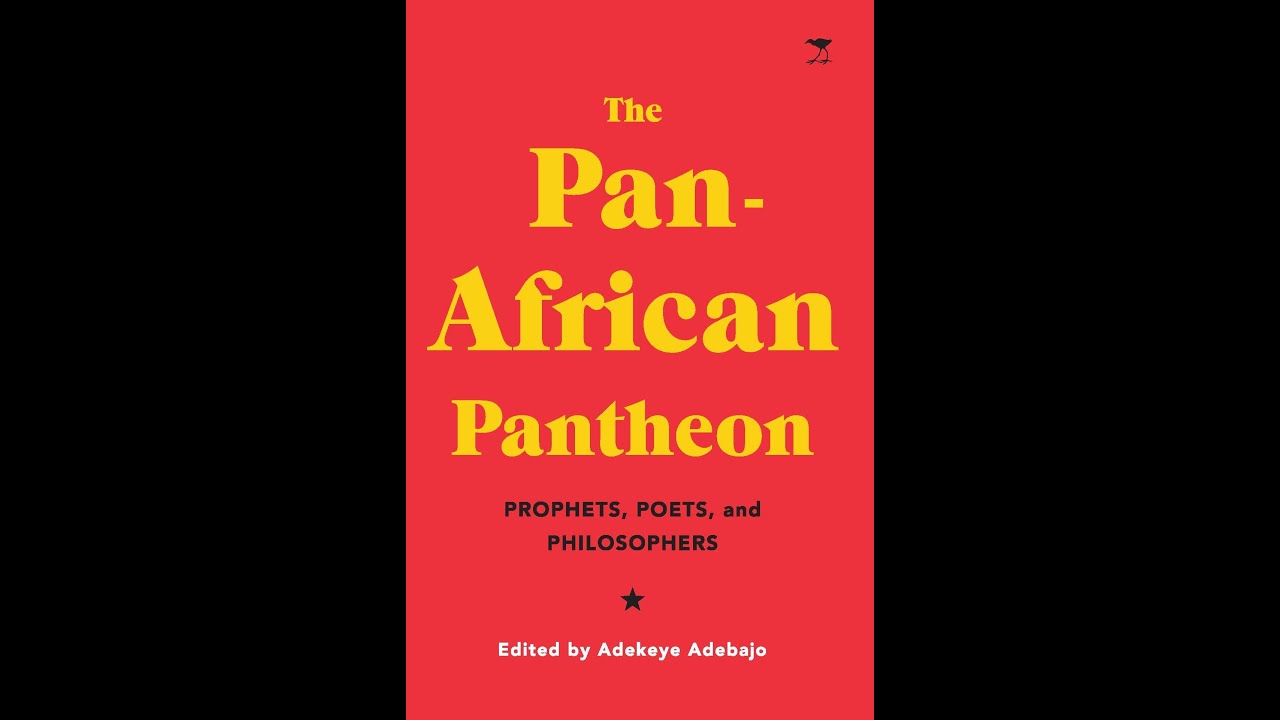
Lecture 6 | Global Africa, Reparations and the End of Pan-Africanism | Part 2
Keywords
Summary
122 words
Critical Evaluation
Value of the Information & Strength of the Argument
The lecture provides valuable insights into the historical and political dynamics of Pan-Africanism and reparations. Beckles offers a strong argument against the idea of African complicity, using analogies and historical context to support his view. He presents a nuanced analysis of the Durban Conference, highlighting the pressures on African nations and the moral dimensions of the reparations debate. The argumentation is persuasive, though it relies heavily on personal testimony and interpretation rather than empirical evidence.
Scientific Rigor, Source Quality, Title Accuracy
The lecture is based on the speaker’s expertise and personal involvement, but it lacks formal citations. The title accurately reflects the content. The description provides links to the book ‘The Pan-African Pantheon’ for further reading, but these are not directly cited in the lecture. The speaker’s authority adds credibility, but the lack of verifiable sources limits the scientific rigor.
149 words
Title / Content Match
The title accurately reflects the content: a lecture on global Africa, reparations, and the end of Pan-Africanism, focusing on the Durban conference and its impact.
Quality & Reliability
7/10
The lecture features a prominent academic (Sir Hilary Beckles) discussing historical and political topics with personal experience from the Durban conference. The argument is coherent and well-structured, but it is an opinion piece without formal citations or peer review. The speaker's authority adds credibility, but the lack of verifiable sources and the subjective nature of the claims limit the score.
Key Moments
Markers derived by PSI from the transcript: the creator did not define chapters.
- Introduction and setup of the lecture.
- Discussion on African complicity in the slave trade.
- Beckles refutes the idea of African complicity, using the Miami drug analogy.
- Personal recollections from the Durban Conference, including interactions with Castro and Arafat.
- Explanation of why African nations did not support reparations due to IMF/World Bank pressures.
- Discussion on Nigerian internal concerns and ethnic divisions.
- Conclusion: Durban consolidated fractures into a systemic breakdown, marking the end of Pan-Africanism.
Cited Sources
- The Pan-African Pantheon: Prophets, Poets, and Philosophers — The book to which Sir Hilary Beckles contributed a chapter, and which is discussed in the lecture.
- The Pan-African Pantheon: Prophets, Poets, and Philosophers (International) — International purchase link for the same book.
Concurring Sources
- The Pan-African Pantheon: Prophets, Poets, and Philosophers — The book provides scholarly context for the lecture's themes.
Contribution & Novelties
The lecture offers a unique insider perspective on the Durban Conference and its implications for Pan-Africanism. It challenges common narratives about African complicity and provides a nuanced understanding of the political pressures faced by African nations. The personal anecdotes add depth to the historical analysis.
Pour aller plus loin :
- Pan-Africanism — Overview of the Pan-African movement.
- Durban Review Conference — Context on the 2009 follow-up conference.
- Reparations for slavery — Discussion on reparations debates.
75 words
Radar Profile
The radar profile shows moderate to high scores in information quantity and quality, with lower technical level and reliability. This reflects a lecture that is rich in personal insight and historical detail but lacks formal academic rigor and technical depth.