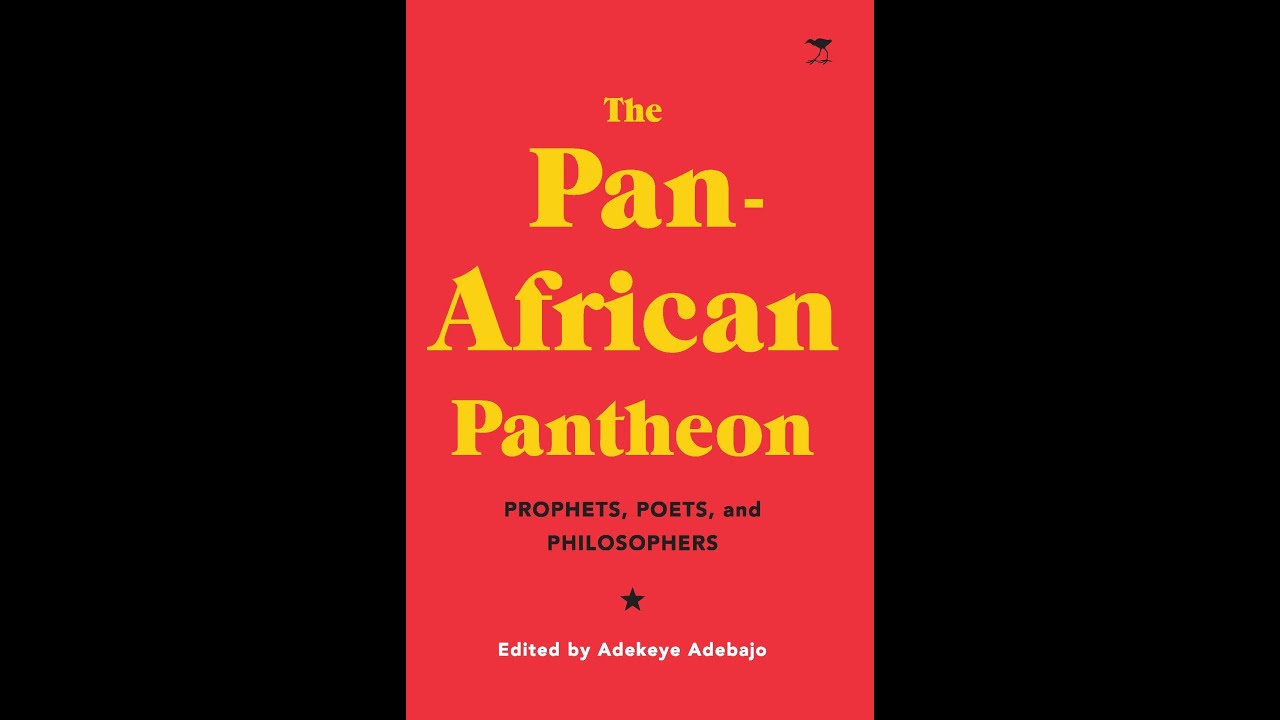
Lecture 1 | Pan-Africanism in Quest for liberation | Part 1
Keywords
Summary
116 words
Critical Evaluation
Value of the Information & Strength of the Argument
The lecture offers a comprehensive and well-structured overview of Pan-Africanism, synthesizing historical events and intellectual contributions. The argumentation is coherent, linking the legacy of slavery to colonial rule and contemporary calls for reparations. The speaker provides specific examples and references to key texts, such as Walter Rodney’s ‘How Europe Underdeveloped Africa’ and C.L.R. James’s ‘The Black Jacobins’, which strengthens the credibility of the presentation. However, the lecture is introductory and does not delve deeply into counterarguments or complexities within Pan-African thought.
Scientific Rigor, Source Quality, Title Accuracy
The lecture demonstrates a strong command of the subject, with references to numerous scholars and historical events. The sources cited are generally well-known and respected within the field. The title accurately reflects the content, as the lecture indeed focuses on Pan-Africanism’s quest for liberation. The lecture is part of an academic series and is presented by a professor, which adds to its credibility. However, as a lecture, it does not provide formal citations for all claims, and some historical details are presented without specific references.
181 words
Title / Content Match
The title accurately reflects the content: the lecture focuses on Pan-Africanism's quest for liberation, with historical context and an overview of key figures.
Quality & Reliability
8/10
The lecture is delivered by a recognized scholar (Professor Adekeye Adebajo) and is based on an edited volume with contributions from numerous academics. It provides historical context and references several key works and figures, but it is a lecture rather than a peer-reviewed publication, and some claims are presented without detailed sourcing.
Key Moments
Markers derived by PSI from the transcript: the creator did not define chapters.
- Introduction and overview of the lecture series and the book 'The Pan-African Pantheon'.
- Discussion of key Pan-African figures including Edward Blyden, Marcus Garvey, and Ali Mazrui.
- Highlighting the role of female activists in Pan-Africanism, such as Amy Ashwood Garvey and Maya Angelou.
- Exploration of Pan-African philosophers and theorists, including Frantz Fanon, Amílcar Cabral, and Kwame Anthony Appiah.
- Definition of Pan-Africanism and its historical context within slavery and colonialism.
- Discussion of the transatlantic slave trade, its scale, and its impact on Africa and the diaspora.
- Examination of colonial rule as a continuation of slavery, and the economic exploitation of Africa.
- Call for reparations for slavery and colonialism, with comparisons to other historical compensations.
Cited Sources
- The Pan-African Pantheon: Prophets, Poets, and Philosophers — Edited volume by Adekeye Adebajo, basis for the lecture series.
- How Europe Underdeveloped Africa — Book by Walter Rodney, referenced in the lecture to explain economic exploitation.
- The Black Jacobins — Book by C.L.R. James, referenced in the context of the Haitian Revolution.
- The Souls of Black Folk — Book by W.E.B. Du Bois, referenced in the context of African American culture.
Concurring Sources
- The Pan-African Pantheon: Prophets, Poets, and Philosophers — The lecture is based on this edited volume, which provides scholarly depth.
Contribution & Novelties
The lecture provides a broad and accessible introduction to Pan-Africanism, synthesizing a wide range of historical and intellectual contributions. It emphasizes the often-overlooked role of women and cultural figures, and connects historical struggles to contemporary movements like Black Lives Matter. The lecture also highlights the ongoing issue of reparations, framing it within a global context.
Pour aller plus loin :
- Pan-Africanism — Overview of the movement and its history.
- Transatlantic slave trade — Detailed information on the slave trade.
- Reparations for slavery — Discussion of reparations debates.
87 words
Radar Profile
The radar profile shows high scores in quantity and quality of information, reflecting the lecture's comprehensive coverage and scholarly grounding. The technical level is moderate, suitable for a general audience, while the overall reliability is strong due to the speaker's expertise and the academic context.