Lecture 10 | Mama Miriam Makeba: Songs of Freedom, Songs for Africa | Part 3
Keywords
Summary
169 words
Critical Evaluation
Value of the Information & Strength of the Argument
The value of the information lies in the unique personal anecdotes and insights from someone who worked closely with Makeba. The speaker provides detailed accounts of Makeba’s character, relationships, and political journey, which are not commonly found in standard biographies. The argumentation is coherent and grounded in personal experience, though it is not systematically structured. The speaker effectively argues that Makeba’s humility and sense of purpose were central to her activism and her ability to connect with others. The discussion of her marriages illustrates her approach to relationships, emphasizing dignity and friendship over conventional norms. The speaker also addresses the evolution of Makeba’s political consciousness, acknowledging the influence of Guinea and other experiences, while maintaining that she had an early awareness of injustice. Overall, the argumentation is persuasive and supported by specific examples, though it relies heavily on anecdotal evidence.
Scientific Rigor, Source Quality, Title Accuracy
The speaker is a contributor to an academic volume, which lends some credibility, but the lecture is largely based on personal recollections and conversations with Makeba. The sources cited are the book itself and its publisher links, which are relevant. The title accurately reflects the content, which focuses on Makeba’s life and legacy. The lecture does not provide a systematic review of sources, but it does offer valuable firsthand perspectives. The audience comments are not provided, so no analysis of public reception is possible.
239 words
Title / Content Match
The title accurately reflects the content, which focuses on Miriam Makeba's life and legacy as a freedom singer.
Quality & Reliability
7/10
The speaker is a chapter contributor to an academic volume and had direct personal interactions with Makeba, providing unique insights. However, the content is largely anecdotal and based on personal recollections rather than systematic scholarly analysis.
Key Moments
Markers derived by PSI from the transcript: the creator did not define chapters.
- Introduction and start of Q&A session
- Discussion on Makeba's humility and her collaboration with the speaker
- Audience question about Makeba's soft-spoken nature and activism
- Discussion on Makeba's relationship with Stokely Carmichael
- Details on Makeba's marriages and her approach to relationships
- Debate on Makeba's political consciousness and the role of Guinea
- Discussion on Makeba's resilience and hope during exile
- Reflections on Makeba's legacy and influence on younger musicians
Cited Sources
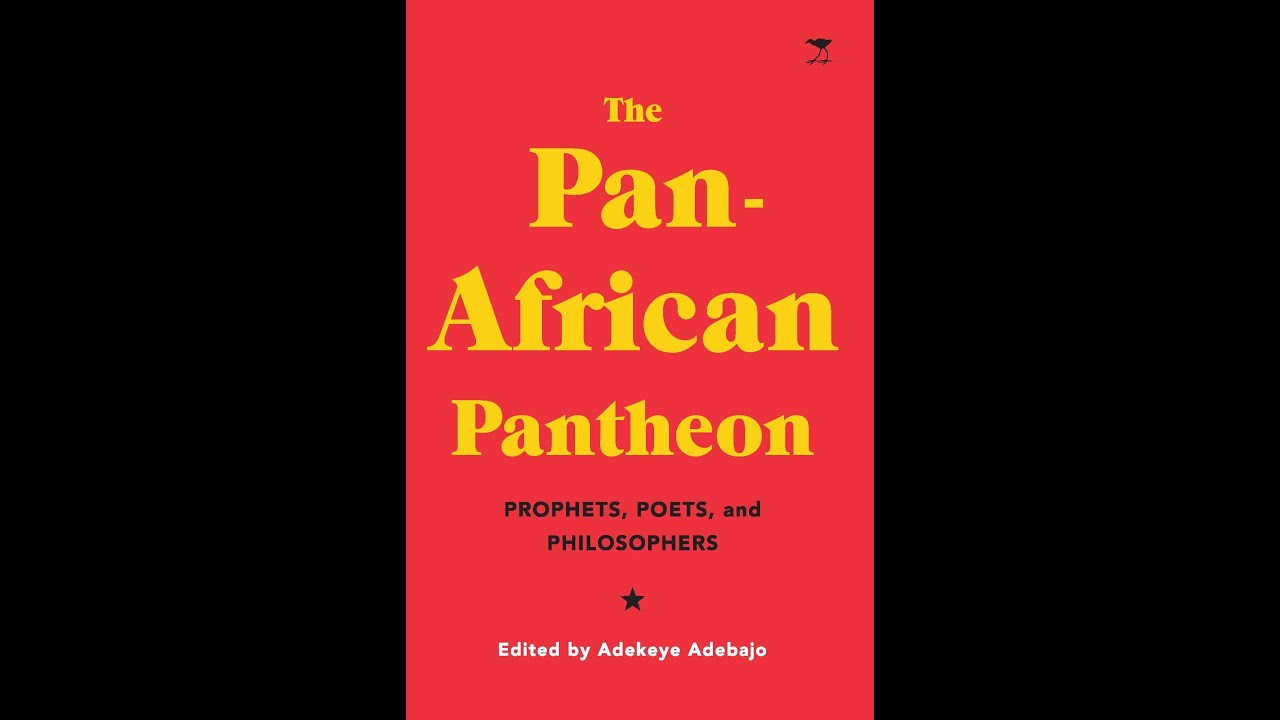
- The Pan-African Pantheon: Prophets, Poets, and Philosophers — The book to which the speaker contributed a chapter on Miriam Makeba.
- The Pan-African Pantheon (Manchester University Press) — International purchase link for the same book.
Concurring Sources
- Miriam Makeba - Wikipedia — General biographical information that aligns with the speaker's account.
Contribution & Novelties
The lecture provides unique personal insights into Miriam Makeba’s character, particularly her humility and her approach to relationships and activism. The speaker’s direct interactions with Makeba offer a nuanced perspective that is not commonly found in public accounts. The discussion also highlights the collective nature of African liberation efforts, as emphasized by Makeba herself.
Pour aller plus loin :
- Miriam Makeba - Wikipedia — Overview of her life and career.
- Pan-Africanism - Wikipedia — Context for the ideological framework discussed.
- Stokely Carmichael - Wikipedia — Information on her third husband and fellow activist.
93 words
Radar Profile
The radar profile shows high scores in quantity and quality of information, reflecting the rich personal anecdotes and detailed discussion. The technical level is lower, as the content is accessible and not highly specialized. Reliability is moderate, given the anecdotal nature and lack of formal citations.