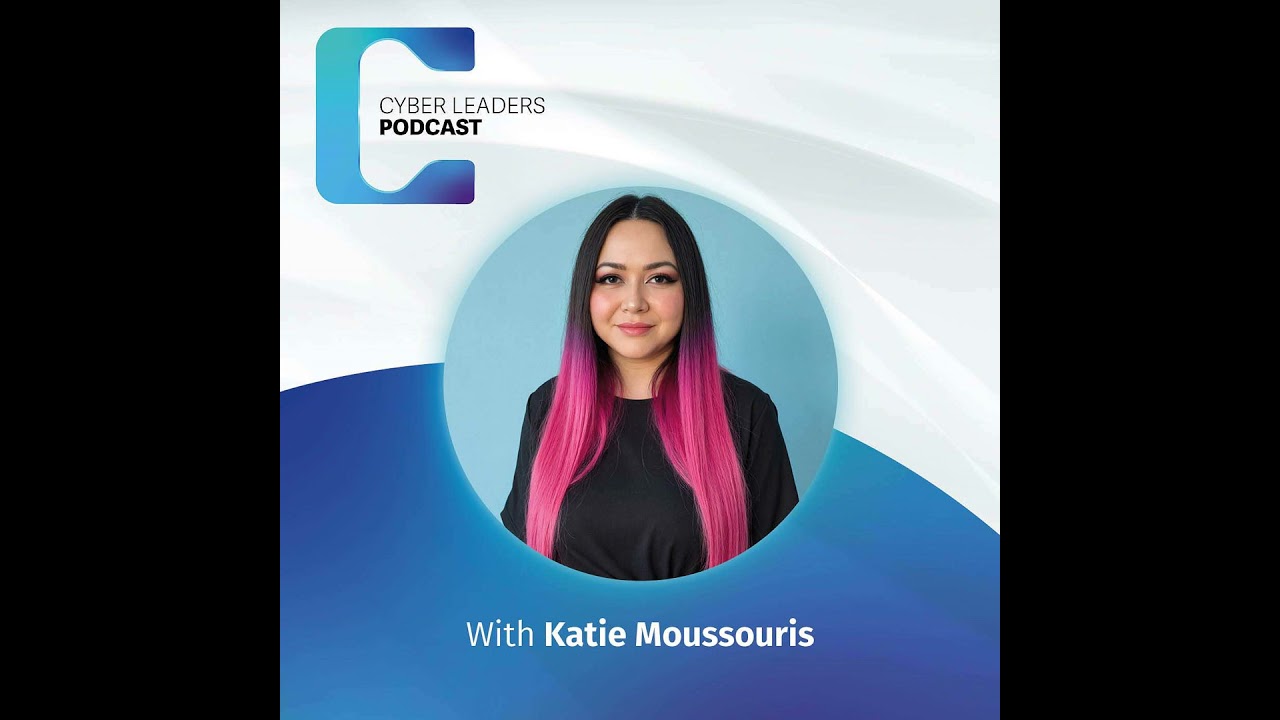
She Convinced the Pentagon to Let Hackers In. Legally. With Katie Moussouris
Keywords
Summary
172 words
Critical Evaluation
Value of the Information & Strength of the Argument
The value of the information is exceptionally high, as Moussouris provides firsthand accounts of pivotal moments in cybersecurity history, such as the DNS flaw coordination and the creation of Microsoft’s vulnerability research program. Her arguments are well-supported by her extensive experience and her role in shaping industry practices. She offers critical insights into the current challenges posed by AI-generated vulnerability reports, arguing that they overwhelm existing programs and that current mitigation strategies are insufficient. Her perspective on the importance of human judgment and the need for equitable treatment of researchers adds depth to the discussion.
Scientific Rigor, Source Quality, Title Accuracy
The scientific rigor is high, given Moussouris’s direct involvement in the events discussed. She references specific historical incidents and industry practices, though she does not cite external sources in detail. The title accurately reflects the content, focusing on her role in establishing bug bounty programs, particularly Hack the Pentagon. The discussion is well-structured and credible, though it is an interview format rather than a formal academic presentation.
177 words
Title / Content Match
The title accurately reflects the content, focusing on Katie Moussouris's role in establishing bug bounty programs, particularly Hack the Pentagon.
Quality & Reliability
8/10
High credibility due to the guest's direct involvement in key historical events and her recognized expertise. The discussion is based on personal experience and professional knowledge, though it is an interview format with limited external verification.
Key Moments
Markers derived by PSI from the transcript: the creator did not define chapters.
- Introduction of Katie Moussouris and her background.
- Discussion of early hacking days and the Cult of the Dead Cow.
- Explanation of vulnerability disclosure origins and RFPolicy.
- Details of the DNS flaw coordination and Microsoft's vulnerability research program.
- Impact of AI on bug bounty programs and the future of vulnerability research.
Cited Sources
- SANS Cyber Leaders Network — Mentioned in the podcast as a resource for security leaders.
Concurring Sources
- Hack the Pentagon — The program is a key example of government adoption of bug bounties, as discussed in the episode.
Contribution & Novelties
The podcast provides unique insights from a key figure in cybersecurity history, offering a personal narrative of the evolution of vulnerability disclosure and bug bounties. It highlights the challenges of institutional change and the ongoing impact of AI on the field.
Pour aller plus loin :
- Vulnerability disclosure — Provides background on the practice and its evolution.
- Bug bounty program — Overview of bug bounty programs and their history.
- Dan Kaminsky — Information on the researcher who discovered the DNS flaw discussed in the episode.
85 words
Radar Profile
The radar profile shows high scores in information quality and reliability, reflecting the expert guest and historical depth. The technical level is moderate, making it accessible to a broad audience while still providing valuable insights for professionals.
💬 No comments were provided for analysis.