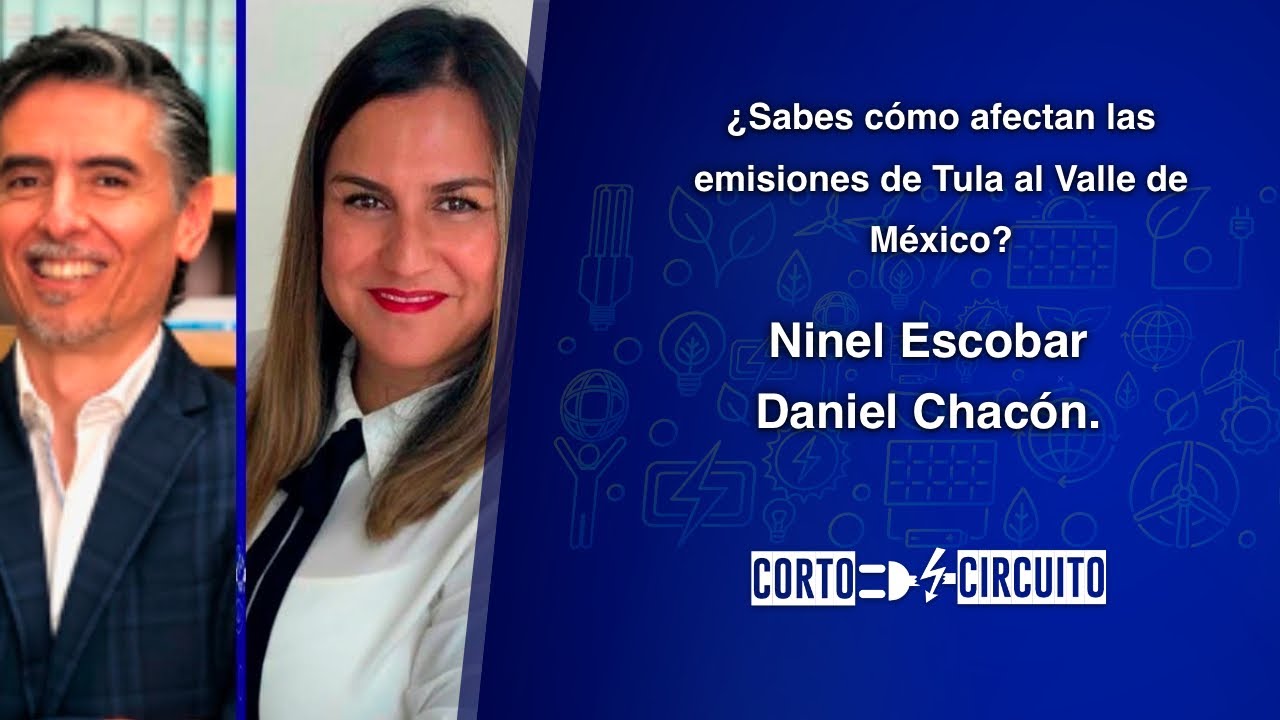
Juicios e Implementación de la reforma a la LIE - Corto Circuito - Temporada 2 - Episodio 7
Keywords
Summary
159 words
Critical Evaluation
Value of the Information & Strength of the Argument
The video provides valuable insights into the Mexican electricity sector, offering a detailed historical account of the self-supply model and the rationale behind the 2013 reform. The speakers argue convincingly that the current reform undermines legal certainty and could harm investment. They debunk claims of subsidies in the self-supply model, explaining the economic logic of the ‘porteo’ charges and the benefits to CFE. The argumentation is solid, grounded in the speakers’ regulatory experience and specific examples. However, the discussion is one-sided, presenting a critical view of the reform without a balanced perspective from its proponents. The value lies in the expert analysis and the clarification of technical aspects, but the lack of counterarguments limits its comprehensiveness.
Scientific Rigor, Source Quality, Title Accuracy
The scientific rigor is moderate: the speakers rely on their professional experience and historical facts, but no formal sources are cited. The quality of sources is high given their regulatory roles, but the lack of references to specific documents or studies reduces the verifiability. The title accurately reflects the content, focusing on the legal and implementation aspects of the LIE reform. The discussion is well-structured and stays on topic, though it is more of an opinion-based analysis than a rigorous scientific review.
213 words
Title / Content Match
The title accurately reflects the content, which focuses on the legal challenges and implementation of the reform to the Electricity Industry Law (LIE) in Mexico.
Quality & Reliability
8/10
The discussion features two former energy regulators with deep expertise in the Mexican electricity sector. They provide detailed historical context and technical explanations, but the content is primarily opinion and analysis rather than peer-reviewed research. The video is a panel discussion with no formal citations, but the speakers' credentials and the depth of the discussion lend credibility.
Key Moments
Markers derived by PSI from the transcript: the creator did not define chapters.
- Introduction of the panelists and their backgrounds.
- Explanation of the historical context of the Mexican electricity sector and the 1992 reform.
- Discussion on the self-supply model and the concept of 'legacy' contracts.
- Debunking the claim of subsidies in self-supply and explaining the 'porteo' charges.
- Analysis of the legal challenges and suspensions against the LIE reform.
- Discussion on the potential impacts of the reform on investment and renewable energy.
- Conclusion and final remarks on the future of the electricity sector in Mexico.
Cited Sources
- Ley de la Industria Eléctrica (LIE) — The law being discussed, which the reform modifies.
- Comisión Reguladora de Energía (CRE) — The regulatory body mentioned throughout the discussion.
- Comisión Federal de Electricidad (CFE) — The state-owned utility central to the discussion.
Concurring Sources
- Mexico's Electricity Reform: A Legal Analysis — Provides legal analysis of the reform, aligning with the video's concerns.
Dissenting Sources
- Government of Mexico's official statement on the LIE reform — The government argues the reform is necessary to strengthen CFE and ensure energy security, contrasting with the video's critical view.
Contribution & Novelties
The video offers a unique insider perspective from former regulators on the technical and legal intricacies of the LIE reform. It clarifies misconceptions about subsidies and explains the historical evolution of the self-supply model. The discussion provides valuable context for understanding the ongoing legal battles and the potential consequences for Mexico’s energy sector.
Pour aller plus loin :
- Electricity Industry Law (Mexico) — Provides an overview of the law and its amendments.
- Energy reform in Mexico — Context on the 2013 constitutional reform.
- Comisión Reguladora de Energía — Official site of the regulatory body.
94 words
Radar Profile
The radar profile shows high scores in information quantity, quality, and reliability, reflecting the experts' deep knowledge and the detailed discussion. The technical level is moderately high, indicating the content is accessible to a general audience but still substantive. The overall profile suggests a well-informed and credible discussion, though with a clear critical stance.
💬 No comments were provided for analysis.