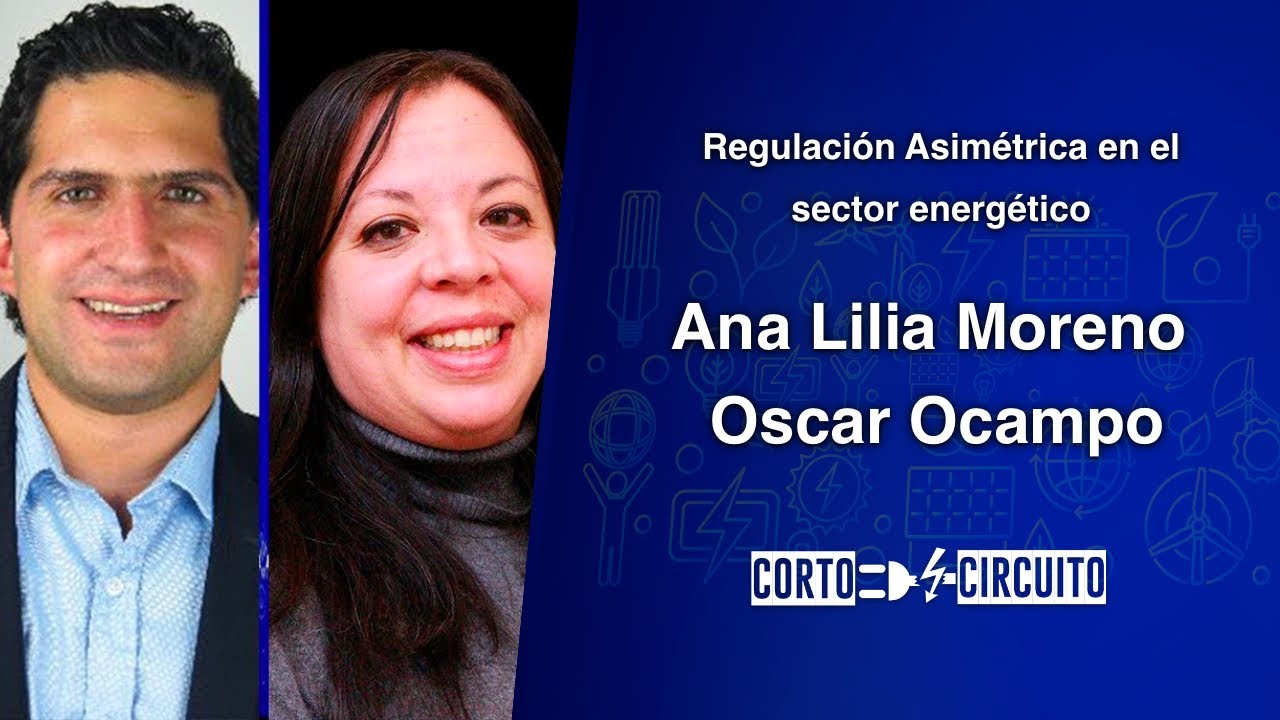
Regulación Asimétrica en el sector energético - Temporada 2 - Episodio 11 - Corto Circuito
Keywords
Summary
163 words
Critical Evaluation
Value of the Information & Strength of the Argument
The value of the information is high for those interested in Mexican energy policy and regulatory economics. The experts provide a clear explanation of asymmetric regulation, using accessible analogies (like sports refereeing) and concrete examples from telecommunications. They argue that asymmetric regulation is essential to foster competition and that its removal is premature given Pemex’s dominant market share. The argumentation is solid, relying on logical reasoning and comparative analysis. However, the discussion is largely qualitative and lacks quantitative data or formal citations, which limits its scientific rigor. The experts’ opinions are informed but not systematically backed by empirical evidence.
Scientific Rigor, Source Quality, Title Accuracy
The scientific rigor is moderate. The experts reference specific facts, such as Pemex’s market share percentages and the tariff drop in telecommunications, but they do not provide direct sources. They mention the work of COFECE and the IFT, but without detailed citations. The title accurately reflects the content, which is a focused discussion on asymmetric regulation. The adequacy between title and content is good, as the episode directly addresses the topic. The sources cited are not explicitly listed, but the discussion draws on institutional knowledge and public data. Overall, the content is informative but would benefit from more explicit references to studies or reports.
218 words
Title / Content Match
The title accurately reflects the main topic of the episode, which is a detailed discussion on asymmetric regulation in the energy sector, particularly in Mexico.
Quality & Reliability
7/10
The discussion features two experts with relevant academic and professional backgrounds in economics and energy policy. They provide a nuanced explanation of asymmetric regulation, using concrete examples from telecommunications and energy sectors. However, the conversation is largely opinion-based and lacks formal citations or data verification, and the hosts acknowledge their institutional independence but do not provide rigorous evidence for all claims.
Key Moments
Markers derived by PSI from the transcript: the creator did not define chapters.
- Introduction of guests and topic of asymmetric regulation.
- Explanation of asymmetric regulation and its purpose.
- Comparison with telecommunications sector and tariff drop.
- Discussion on Pemex's market share and the legislative reform.
- Challenges of regulating state-owned enterprises and institutional design.
- Examples from telecom regulation and court rulings.
- Discussion on transparency and political will.
Cited Sources
- COFECE market studies — Mentioned as the source of market diagnostics for fuels.
- IFT telecommunications regulation — Referenced for the 43.9% tariff drop and asymmetric regulation in telecom.
Concurring Sources
- COFECE studies on fuel markets — The experts refer to COFECE's detailed market studies that support the need for asymmetric regulation.
Dissenting Sources
- Legislative proposal to eliminate asymmetric regulation — The proposal argues that the market is already competitive, but the experts dispute this based on market share data.
Contribution & Novelties
The episode provides a clear and accessible explanation of asymmetric regulation in the energy sector, using a comparative approach with telecommunications. It highlights the premature dismantling of such regulation in Mexico and the risks of doing so. The discussion offers insights into the institutional challenges of regulating state-owned enterprises.
Pour aller plus loin :
- Asymmetric regulation in telecommunications — Provides background on regulatory practices.
- Competition law and market power — Relevant to understanding the legal framework.
- Energy reform in Mexico — Context on the 2013-2014 reforms.
86 words
Radar Profile
The radar profile shows high scores in quantity of information and fiabilité globale, reflecting the depth of discussion and the experts' credibility. The niveau technique is moderate, indicating that the content is accessible but still technical. The quality of information is good but not exceptional due to lack of formal citations.
💬 Sur les 0 commentaires analysés, aucune tendance n'est disponible.