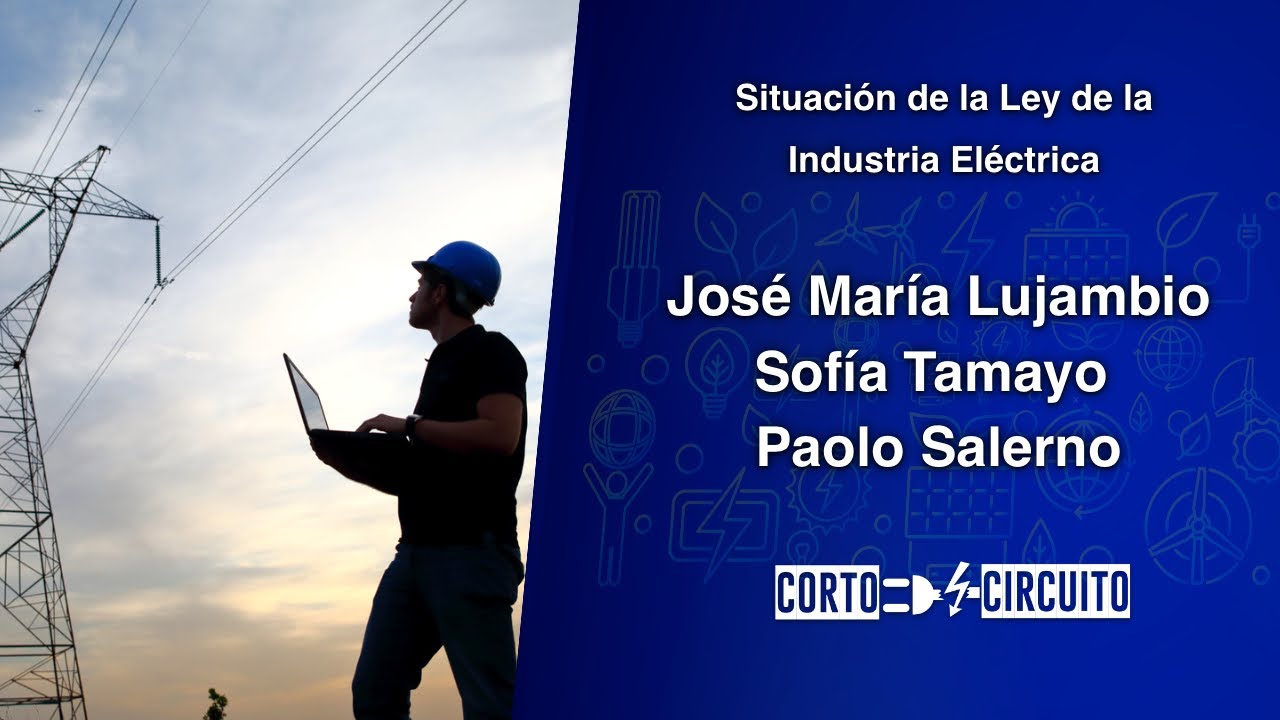
La judicialización de la Ley de la Industria Eléctrica - Programa Especial 02
Keywords
Summary
173 words
Critical Evaluation
Value of the Information & Strength of the Argument
The video provides valuable insights into the legal intricacies of the amparo process and the specific challenges to the LIE reform. The experts offer a balanced and detailed explanation of the reform’s content, the grounds for legal challenges, and the procedural history. The argumentation is solid, relying on legal principles and the specifics of the cases. They clarify common misconceptions, such as the difference between the amparo trial and the suspension, and the scope of general effects. The discussion is well-reasoned and avoids partisan bias, focusing on legal analysis.
Scientific Rigor, Source Quality, Title Accuracy
The scientific rigor is high for a debate format: the participants are qualified legal professionals with expertise in energy law. They reference specific legal concepts and procedural details, but do not cite formal sources or documents. The title accurately reflects the content, which is centered on the judicialization of the LIE. The discussion is coherent and well-structured, though it lacks explicit references to primary legal texts or court decisions.
173 words
Title / Content Match
The title accurately reflects the content, which focuses on the judicialization of the Electricity Industry Law, including the suspension and revocation of amparo injunctions.
Quality & Reliability
8/10
The video features three legal experts with relevant academic and professional backgrounds in energy law, providing a detailed and nuanced analysis of the judicial challenges to Mexico's electricity industry reform. The discussion is well-structured and grounded in legal concepts, though it is a debate format with no formal citations or references to primary sources.
Key Moments
Markers derived by PSI from the transcript: the creator did not define chapters.
- Introduction of guests and topic
- Explanation of the main points of the LIE reform
- Discussion on the amparo lawsuits and suspensions
- Analysis of the revocation of suspensions by collegiate courts
- Clarification of auto-applicative vs hetero-applicative laws
- Discussion on the long-term legal battle and potential future amparos
- Consideration of the impact on competition and environment
- Closing remarks and summary
Contribution & Novelties
The video offers an expert analysis of the judicial challenges to Mexico’s electricity reform, providing clarity on the legal mechanisms and procedural nuances. It highlights the significance of general-effect suspensions and the distinction between the amparo trial and the suspension. The discussion is valuable for understanding the current legal landscape.
Pour aller plus loin :
- Amparo (Mexican legal remedy) — Provides background on the amparo procedure.
- Electricity Industry Law (Mexico) — Overview of the law and its reforms.
- Federal Economic Competition Commission (COFECE) — Relevant to competition concerns.
88 words
Radar Profile
The radar profile shows high scores in information quantity, quality, and reliability, with a slightly lower technical level, indicating a well-informed discussion accessible to a general audience.