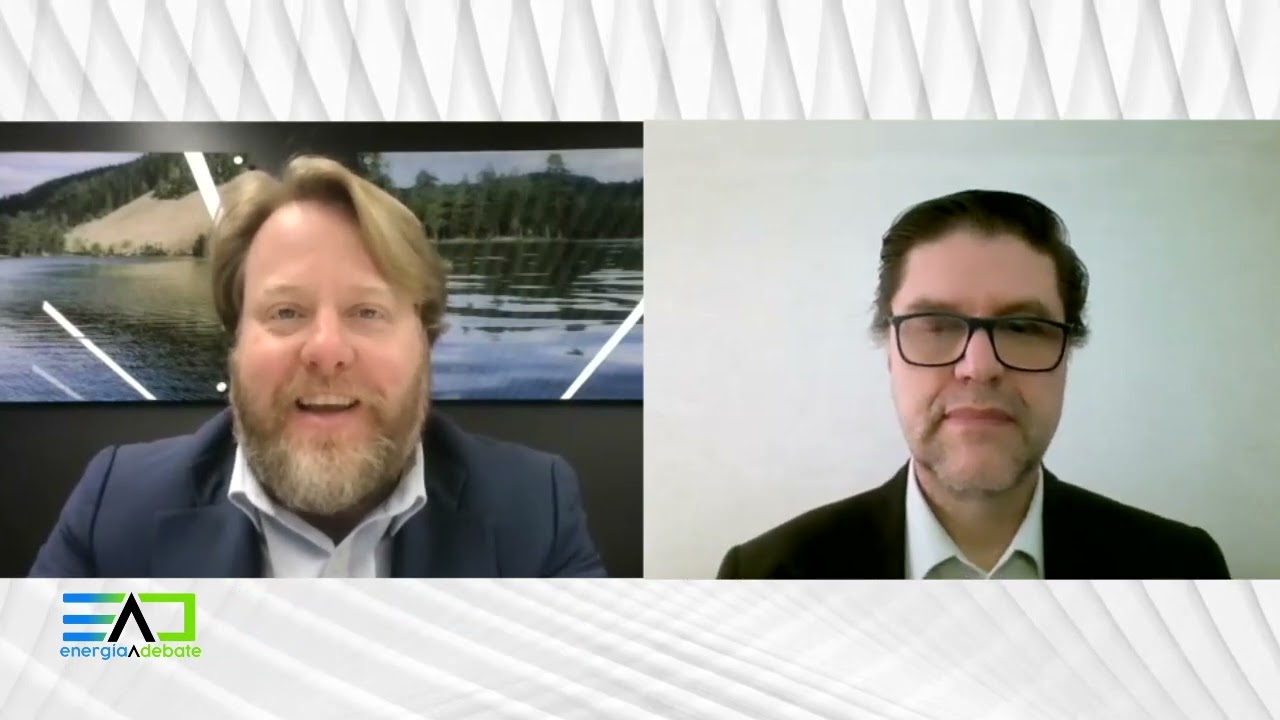
Entrevista con W. Schreiner Parker, vicepresidente y director de Rystad Energy para América Latina
Keywords
Summary
165 words
Critical Evaluation
Value of the Information & Strength of the Argument
The interview provides valuable insights into the current energy crisis and market dynamics from the perspective of a leading consultancy. The arguments are coherent and based on industry expertise, but they are presented as opinions rather than backed by specific data or reports. The discussion on the need for continued oil investment and the temporary pause in energy transition is well-articulated, though it lacks quantitative evidence. The value lies in the strategic outlook shared by the executives, which is useful for understanding industry trends.
Scientific Rigor, Source Quality, Title Accuracy
The scientific rigor is moderate; the speakers are credible experts from Rystad Energy, but they do not cite specific sources or studies during the interview. The description provides links to their LinkedIn profiles and company website, which serve as references for their credentials. The title accurately reflects the content, and the discussion stays on topic. No public comments were provided for analysis.
161 words
Title / Content Match
The title accurately reflects the content: an interview with W. Schreiner Parker, VP and Director for Latin America at Rystad Energy, discussing energy markets.
Quality & Reliability
7/10
The interview features two senior executives from Rystad Energy, a reputable energy consultancy. They provide informed perspectives on global energy markets, but the discussion is largely opinion-based and lacks detailed data or citations. The information is credible but not rigorously sourced within the video.
Key Moments
Markers derived by PSI from the transcript: the creator did not define chapters.
- Introduction of W. Schreiner Parker and discussion on the impact of the Russia-Ukraine war on energy markets.
- Parker explains that Europe will diversify its energy suppliers and the role of the US in increasing production.
- Discussion on the future of oil demand and the need for 64 million new barrels per day by 2030.
- Parker highlights the importance of low-cost and low-emission projects for future oil investments.
- Analysis of the LNG market, including new projects in Mexico and Argentina, and the winners and losers.
- Discussion on the temporary pause in energy transition due to energy security concerns in Europe.
- Introduction of Erick Sánchez Salas and his role at Rystad Energy for Mexico and Central America.
- Sánchez Salas discusses Mexico's potential for LNG projects and the importance of data for investors.
- Plans for Rystad Energy's expansion in Mexico and the region, leveraging local expertise.
- Closing remarks and thanks from the hosts.
Cited Sources
- Erick Sánchez Salas - LinkedIn — LinkedIn profile of Erick Sánchez Salas, VP of Business Development at Rystad Energy, mentioned in the interview.
- W. Schreiner Parker - LinkedIn — LinkedIn profile of W. Schreiner Parker, VP and Director for Latin America at Rystad Energy, mentioned in the interview.
Concurring Sources
- Rystad Energy official website — The company's official site provides data and analysis supporting the statements made in the interview.
Contribution & Novelties
The interview provides a current perspective on the energy crisis and market reconfiguration from a leading consultancy. It offers insights into the temporary pause of energy transition and the strategic importance of LNG. The discussion on Mexico’s potential for LNG projects adds regional relevance.
Pour aller plus loin :
- Rystad Energy — Official website of the consultancy, offering detailed reports and data on energy markets.
- Energy crisis in Europe — Overview of the global energy crisis, providing context to the interview.
- Liquefied natural gas — Background on LNG, its production, and trade, relevant to the discussion.
96 words
Radar Profile
The radar profile shows moderate scores across all dimensions, with slightly higher scores in information quality and reliability, reflecting the credibility of the speakers but the lack of detailed data. The lower technical level indicates the discussion is accessible to a general audience.