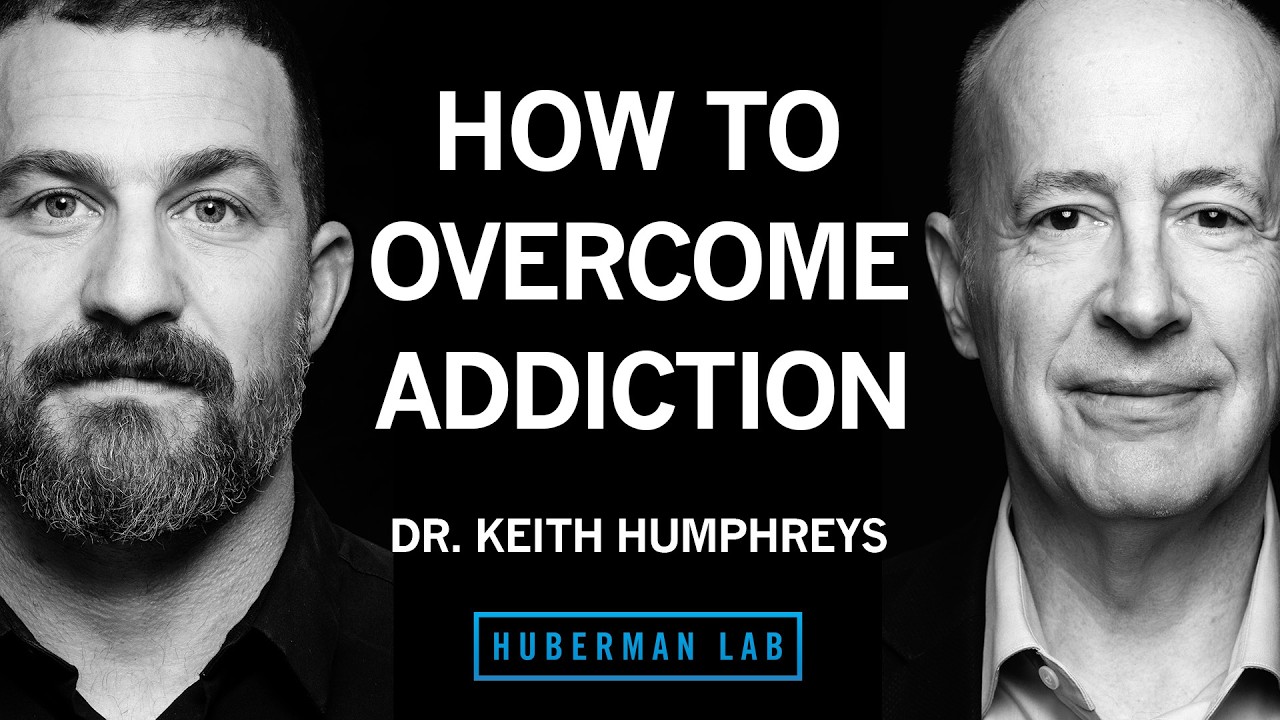
How to Overcome Addiction to Substances or Behaviors | Dr. Keith Humphreys
Keywords
Summary
114 words
Critical Evaluation
The episode provides a comprehensive and nuanced overview of addiction, drawing on Dr. Humphreys’ extensive clinical and research expertise. The discussion is well-structured, covering genetic, environmental, and policy factors. Dr. Humphreys effectively debunks common myths, such as the idea that people are born addicted, and clarifies the difference between use disorder and addiction. The scientific rigor is high, with references to studies and clinical observations, though specific citations are not always provided. The argumentation is solid, emphasizing evidence-based approaches and avoiding sensationalism. The inclusion of personal anecdotes and clinical examples enhances credibility. The title accurately reflects the content, and the episode delivers on its promise to provide tools for overcoming addiction. The main limitation is the lack of formal citations, which may make it difficult for viewers to verify claims. Overall, the episode is highly informative and valuable for both general audiences and professionals.
144 words
Title / Content Match
The title accurately reflects the content, which focuses on understanding and overcoming addiction to various substances and behaviors.
Quality & Reliability
8/10
The episode features Dr. Keith Humphreys, a Stanford professor and leading addiction expert, providing evidence-based insights. The discussion covers a wide range of substances and behaviors, referencing scientific studies and clinical experience. However, as a podcast interview, it lacks formal citations and peer review, and some claims are presented without specific references.
Chapters
- Keith Humphreys
- Addiction; Genetic Risk
- Alcohol Use Disorder & Alcoholism; Genetic Predisposition & Addiction Risk
- Sponsors: David & BetterHelp
- Women & Alcohol Use; Young Adults; Cannabis Use
- Health Benefit to Alcohol?, Red Wine, Cancer Risk; Social Pressure
- Alcohol in Social Gatherings, Social Anxiety, Vulnerability, Work & Dates
- Old vs New Cannabis & THC Levels; Smoked vs Edible Forms
- Cannabis & Psychosis Risk; Cardiac Health; Youth Cannabis Use & Transition to Adulthood
- Sponsor: AG1
- Industries of Addiction, Regulation; Gambling, Slot Machines, Novelty; Casinos
- Decriminalization vs Legalization; Cannabis, Gateway Drug?
- Psylocibin or LSD, Addiction Treatment; Microdosing, Clinical Trial Challenges
- Sponsor: Helix Sleep
- Brain Plasticity & Age; Ketamine, Depression, Transcranial Magnetic Stimulation (TMS)
- SSRIs, Mass Shootings, Suicide, Side Effects; Drug Approval; Ibogaine & PTSD
- Caffeine Addiction?; Stimulants & Rehab; Prescription Stimulants & ADHD
- Nicotine, Mistaking Withdrawal for Benefit
- Sponsor: LMNT
- Tool: How to Talk to Someone with Addiction
- Perception of Addicts, Character Defect, Pain
- Overcoming Addiction, Immediate Rewards, AA; Addict & Co-Dependency?
- Longterm Drug Use, Dopamine, Cues & Relapse; Social Media
- Brain Stimulation, TMS; Homelessness, Substance Use & Rehab
- Addiction Treatment Policy, Rehab & Insurance
- Tool: 12-Step Programs, AA, Accessibility & Benefits
- AA, Higher Power, Cult?; Flexibility, Tool: Open AA Meetings
- GLP-1s, Weight Loss, Alcohol Addiction; Pharmaceutical Advertisements
- Social Media Addiction, Tool: Avoiding Social Media Strategies
- “Failure to Launch”, Youth, Video Games, Social Media; Recovery Pathways
- AA as an Action Program, Tool: Try Different AA Meetings
- Hospice, Death, Overcoming Fear of Death
- Addiction to Escape Death?, Desire for Oblivion
- Men vs Women & Addiction; Lying; Relapse; Fentanyl & Addiction Advice
- Zero-Cost Support, YouTube, Spotify & Apple Follow, Reviews & Feedback, Sponsors, Protocols Book, Social Media, Neural Network Newsletter
Cited Sources
- Stanford Network on Addiction Policy — Mentioned as a resource for addiction policy research.
- Dr. Keith Humphreys' Book — Referenced as a publication by the guest.
- Stanford-Lancet Commission on the North American Opioid Crisis — Mentioned in relation to opioid crisis research.
- Dr. Keith Humphreys' Stanford Profile — Provided as a source for the guest's credentials and publications.
- Dr. Keith Humphreys' Publications — Listed as a resource for the guest's academic work.
- The Washington Post - Keith Humphreys — Mentioned as a place where the guest writes.
- The Atlantic - Keith Humphreys — Mentioned as a place where the guest writes.
Concurring Sources
- National Institute on Drug Abuse (NIDA) — Provides research and statistics on addiction, aligning with the episode's scientific claims.
- Alcoholics Anonymous (AA) — Supports the discussion on 12-step programs as effective recovery tools.
Dissenting Sources
- No discordant sources found — The episode's claims are consistent with mainstream scientific consensus on addiction.
External References
Contribution & Novelties
This episode provides a comprehensive overview of addiction science, integrating genetic, behavioral, and policy perspectives. It offers practical tools for recovery, such as the importance of social support and the effectiveness of 12-step programs. The discussion also addresses emerging treatments like psychedelics and GLP-1 agonists, providing a forward-looking view.
Pour aller plus loin :
- National Institute on Drug Abuse (NIDA) — Official resource for addiction research and statistics.
- Alcoholics Anonymous (AA) — Information on 12-step programs and meetings.
- Stanford-Lancet Commission on Opioid Crisis — Report on opioid addiction and policy.
90 words
Radar Profile
The radar profile shows high scores in quantity and quality of information, with a strong technical level and reliability. This indicates a well-rounded, expert-led discussion that is both informative and credible.
💬 Très positif. Sur les 30 commentaires analysés, la grande majorité exprime gratitude et inspiration, avec de nombreux témoignages personnels de rétablissement et des éloges pour la clarté et la profondeur de la conversation.