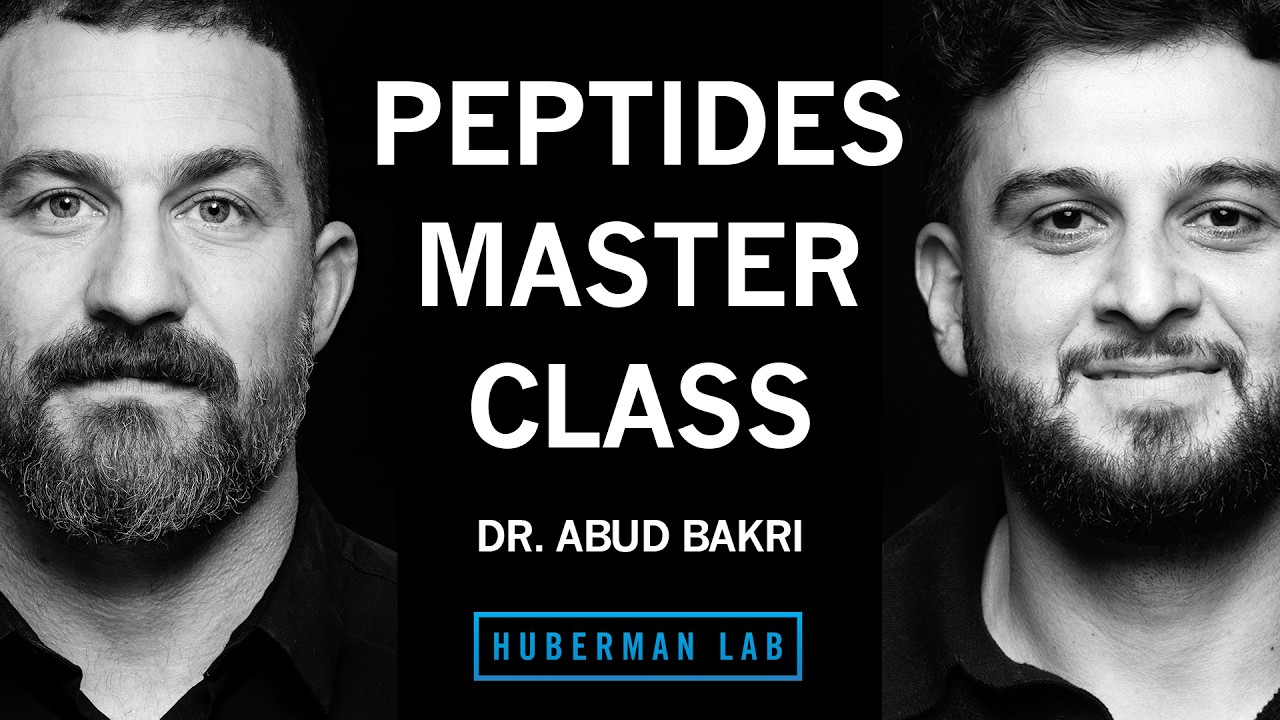
Peptides: The Science, Uses & Safety | Dr. Abud Bakri
Keywords
Summary
153 words
Critical Evaluation
The episode offers a thorough and nuanced discussion of peptides, grounded in the expertise of Dr. Bakri, who demonstrates encyclopedic knowledge of the subject. The value of the information is high, as it clarifies the distinction between peptides with known receptors and those without, which is crucial for understanding their mechanisms and clinical effects. The argumentation is solid, with Dr. Bakri consistently referencing animal studies and acknowledging the lack of human data for many peptides, such as BPC-157. He also emphasizes the importance of sourcing and the risks associated with gray market peptides, which adds a practical and safety-oriented perspective. The scientific rigor is commendable, as the discussion avoids overhyping benefits and instead highlights uncertainties and potential adverse events. The sources cited are primarily the guest’s own website and Substack, which may not be peer-reviewed, but the conversation itself references scientific literature. The title accurately reflects the content, covering science, uses, and safety. Overall, the episode is a valuable resource for anyone seeking a balanced and informed overview of peptides, though it is not a substitute for formal medical advice.
180 words
Title / Content Match
The title accurately reflects the content, which covers the science, uses, and safety of various peptides.
Quality & Reliability
8/10
The discussion is led by a board-certified internal medicine physician with deep knowledge of peptide science, providing a balanced view of evidence, including animal vs human data and safety concerns. However, the format is an expert interview without formal peer review, and some claims rely on anecdotal or limited human data.
Chapters
- Abud Bakri
- What are Peptides?, Receptors
- BPC-157, Discovery, Animal Proteins
- BPC-157, Animal Data, Regeneration
- Sponsors: Eight Sleep & Lingo
- BPC-157, Regeneration & Healing, Neurological Effects
- Adverse Events, Clinical Trials & Legality of BPC-157
- GLPs & Compounding Pharmacy; Peptides & Gray Market
- Manufacturing, Compounding Pharmacies, Gray Market, Black Market
- Peptides & Tumor Growth?; Angiogenesis
- Sponsor: AG1
- Pharmaceutical Patents, Clinical Trials for BPC-157, Potential Outcomes
- BPC-157 Healing, Patient Experiences
- Physician Counsel, FDA Legality, Malpractice
- Pinealon, Epithalon, Discovery; Sleep & Cognitive Performance, Risks
- Sponsor: Function
- Pineal Age Deterioration, Epithalon, Eye Health
- Thymus, Age Shrinkage; Thymosin Alpha-1, Immune Function
- TB-500; Pet Health; Thymic Peptide Doses, Thymulin, Zinc
- Sponsor: LMNT
- GHK-Cu (Copper GHK), Collagen
- Illness Recovery, Thymic Score, Tool: Blood Test & Immune Cell Counts
- Growth Hormone Secretagogues, Age Decline, Cancer Risk, Insulin
- GHK-Cu, Topical Cream, Red Light Therapy
- GLPs, Discovery, Physical & Cognitive Long-Term Effects, Fertility
- Retatrutide; Drug Patents & Nomenclature
- Peptides: Women Reproductive Disorders; TBI, Neurologic Effect; Safe Sources
- Zero-Cost Support, YouTube, Spotify & Apple Follow, Reviews & Feedback, Sponsors, Protocols Book, Social Media, Neural Network Newsletter
Cited Sources
- Dr. Abud Bakri's Substack — Dr. Bakri's newsletter where he discusses peptides and other medical topics.
- Dr. Abud Bakri's Website — Official website of Dr. Abud Bakri, providing information about his practice and expertise.
- Huberman Lab Show Notes — Show notes for this episode, containing additional resources and references.
- Huberman Lab Disclaimer — Standard disclaimer for the Huberman Lab podcast.
- Huberman Lab Newsletter — Newsletter sign-up for updates and protocols from Andrew Huberman.
Concurring Sources
- BPC-157 on Wikipedia — Provides a summary of BPC-157 research, including animal studies and potential mechanisms.
- GLP-1 receptor agonists on Wikipedia — Confirms the clinical use and mechanisms of GLP-1 agonists as discussed in the episode.
- GHK-Cu on Wikipedia — Supports the discussion on GHK-Cu's role in collagen synthesis and skin health.
Dissenting Sources
- FDA warning on peptides
External References
Contribution & Novelties
This episode provides a comprehensive and balanced overview of peptides, emphasizing the distinction between peptides with known receptors and those without, and highlighting the gap between animal and human data. It offers practical guidance on sourcing and safety, and discusses the legal and ethical considerations of peptide use. The discussion also touches on emerging trends like peptide stacking for performance enhancement.
Pour aller plus loin :
- BPC-157 on Wikipedia — Overview of BPC-157, its history, and research.
- GLP-1 receptor agonists on Wikipedia — Information on GLP-1 agonists, their mechanisms, and clinical uses.
- GHK-Cu on Wikipedia — Details on the copper peptide GHK-Cu and its effects on collagen and wound healing.
- Epithalon on Wikipedia — Information on the peptide epithalon and its proposed longevity effects.
- Thymosin alpha-1 on Wikipedia — Overview of thymosin alpha-1 and its immune-modulating properties.
137 words
Radar Profile
The radar profile shows high scores in quantity and quality of information, with a moderate technical level, indicating a comprehensive yet accessible discussion. The reliability score is also high, reflecting the expert guest and balanced approach.
💬 Très positif : Sur les 30 commentaires analysés, le public exprime une forte appréciation pour la profondeur des connaissances de Dr. Bakri et la qualité de l'épisode, avec de nombreux demandes pour une deuxième partie.