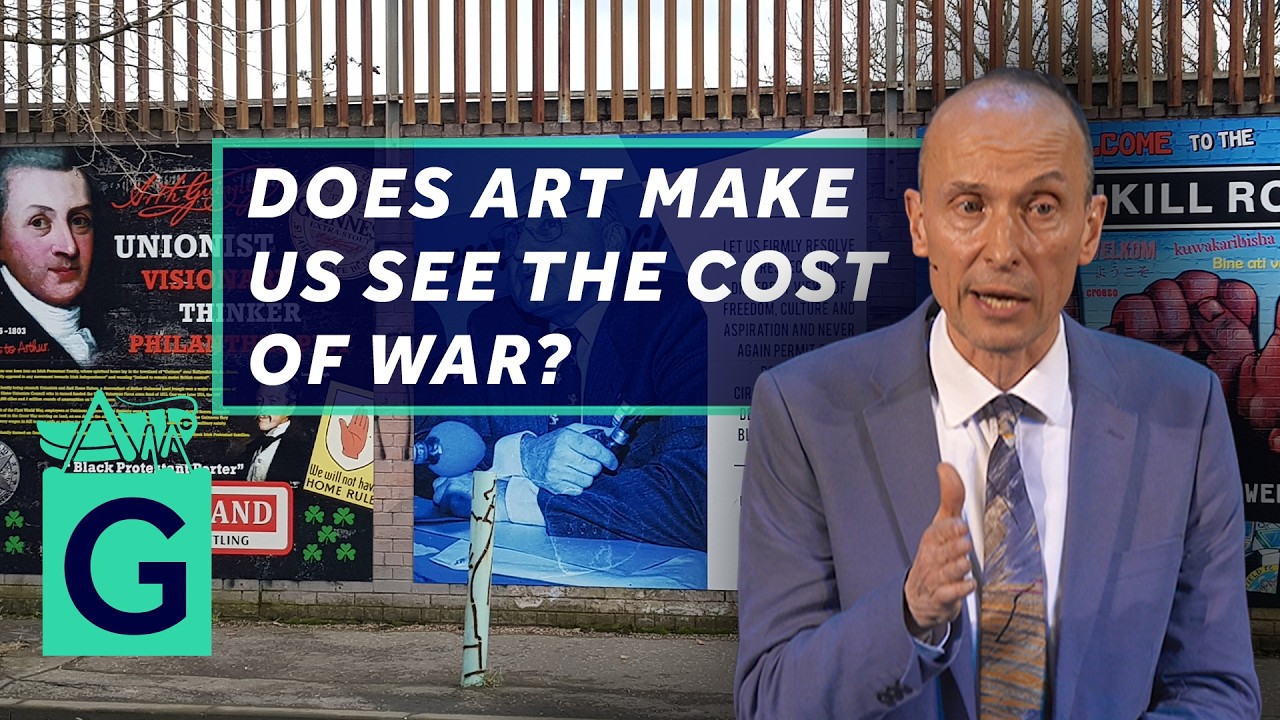
Peacebuilding through the visual Arts
Keywords
Summary
142 words
Critical Evaluation
Professor Mitchell delivers a compelling and well-structured lecture that effectively uses visual examples to illustrate his arguments. The strength of the lecture lies in its interdisciplinary approach, combining art history, theology, and peace studies. Mitchell’s personal experiences, such as visiting Rwanda, add authenticity and emotional depth. The argumentation is solid, but it relies heavily on anecdotal evidence and personal interpretation rather than systematic analysis. While he references specific artworks and artists, he does not provide formal citations or engage with academic debates on peacebuilding. The lecture is accessible and engaging, but it could benefit from a more critical examination of the limitations of art in peacebuilding. The inclusion of contemporary examples, such as the Israel-Palestine wall, demonstrates the relevance of the topic. Overall, the lecture is informative and thought-provoking, but it lacks the rigor of a formal academic paper.
139 words
Title / Content Match
The title accurately reflects the content, which explores how visual arts can contribute to peacebuilding through bearing witness, transforming violence, and imagining hope.
Quality & Reliability
8/10
Lecture by a recognized academic (Professor at Durham University) with clear structure, references to specific artworks and historical events, and a balanced approach. The content is based on scholarly expertise and personal research, but lacks explicit citations to academic sources in the video itself.
Chapters
- // Introduction: Can Art Build Peace in Times of War?
- // Käthe Kollwitz & The Human Cost of World War I
- // War Artists Otto Dix & Paul Nash: Visualising Trauma
- // Art After Genocide: Rwanda & Bearing Witness
- // Can Art Change Violence? Propaganda vs Peace
- // Child Soldiers & The Mozambique Turning Point
- // Transforming Guns into Art: The Tree of Life Project
- // From Cambodia to the Knife Angel: Global Weapons-to-Art Movements
- // Art on the Israel–Palestine Wall: Protest, Prayer & Dialogue
- // Conclusion: Grief, Hope & The Power of Creative Peacebuilding
Cited Sources
- Gresham College — Official website of the institution hosting the lecture.
- Support Gresham College — Donation page mentioned in the description.
- Peacebuilding through the visual Arts - Lecture Page — Dedicated page for the lecture on Gresham College website.
- Q&A Session — Link to the question and answer session for this lecture.
Concurring Sources
- Gresham College — The institution hosting the lecture, known for public lectures by experts.
Contribution & Novelties
The lecture provides a nuanced perspective on the role of visual arts in peacebuilding, emphasizing both their potential and limitations. Mitchell’s integration of personal experiences and diverse case studies offers a unique contribution to the field.
Pour aller plus loin :
- Käthe Kollwitz — Relevant for understanding the artist’s life and work.
- Paul Nash — Provides background on the war artist.
- Alfredo Jaar — Context for the artist’s work on Rwanda.
71 words
Radar Profile
The radar profile shows high scores in quantity and quality of information, with moderate technical level. This indicates a lecture that is rich in content and well-presented, but not highly technical, making it accessible to a general audience.
💬 No comments were provided for analysis.