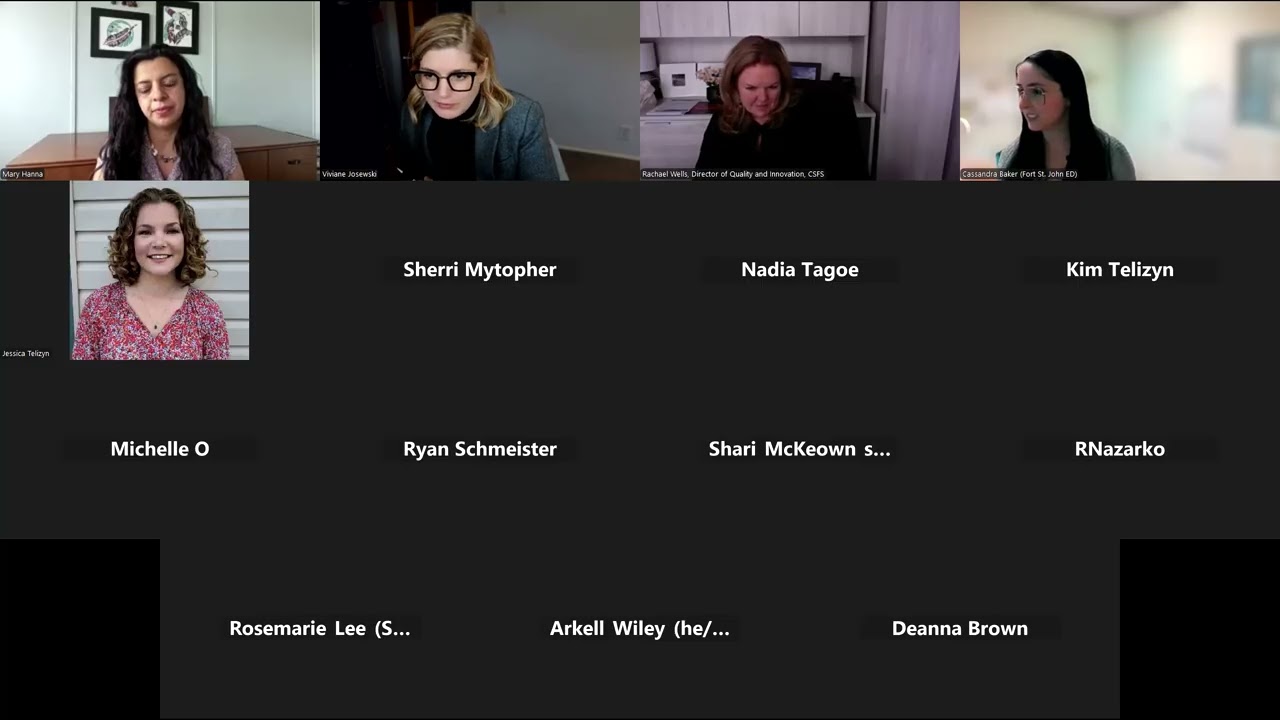
Session 4(d): Innovations and Insights in Opioid Use Disorder Care Across Northern and Rural Contexts
Keywords
Summary
153 words
Critical Evaluation
Value of the Information & Strength of the Argument
The value of the information lies in its practical, real-world insights from healthcare professionals implementing OUD care initiatives in rural and northern settings. The presentations provide detailed accounts of quality improvement processes, including successes, challenges, and lessons learned. The argumentation is based on experiential evidence and program data, which adds credibility but is not as robust as formal research. The speakers effectively communicate the importance of adapting interventions to local contexts and the need for ongoing support and evaluation.
Scientific Rigor, Source Quality, Title Accuracy
The scientific rigor is moderate; the presentations are based on program evaluations and quality improvement projects, but they lack formal citations to peer-reviewed literature. The sources cited are primarily internal program data and references to organizations like Health Quality BC and the Canadian Research Initiative in Substance Matters. The title accurately reflects the content, which is a session on OUD care innovations in northern and rural areas. The video does not include a public comments section, so no analysis of public feedback is possible.
178 words
Title / Content Match
The title accurately reflects the content, which focuses on innovations and insights in opioid use disorder care in northern and rural contexts.
Quality & Reliability
7/10
The video presents three presentations from health professionals describing quality improvement initiatives and program evaluations. The content is based on practical experience and program data, but lacks formal citations or peer-reviewed references. The information is credible but not rigorously sourced.
Key Moments
Markers derived by PSI from the transcript: the creator did not define chapters.
- Introduction and first presentation on LOUD in the ED by Cassandra Baker.
- Discussion of change ideas and results from the LOUD initiative.
- Second presentation on the Orman Lake Healing Center evaluation by Mary Hannah and Rachael Wells.
- Details of the evaluation findings and expansion plans for Tachick Lake.
- Third presentation on MOUD capability in rural and urban clinics by Jessica Telizyn.
- Conclusion and closing remarks.
Cited Sources
- Health Quality BC — Mentioned as a partner in the LOUD in the ED initiative.
- Canadian Research Initiative in Substance Matters (CRISM) — Mentioned as a collaborator for developing a best practice checklist.
Concurring Sources
- Health Quality BC — Supports the LOUD initiative described.
Contribution & Novelties
The video provides valuable insights into the implementation of OUD care initiatives in rural and northern settings, highlighting the importance of quality improvement methodologies, community engagement, and culturally appropriate approaches. It showcases real-world examples of how programs can be adapted to local contexts and the challenges faced. The presentations offer practical advice for healthcare providers and administrators working in similar environments.
Pour aller plus loin :
- Opioid use disorder - Wikipedia — Provides background on OUD and its treatment.
- Medications for Opioid Use Disorder - SAMHSA — Official information on MOUD.
- Quality Improvement in Healthcare - Institute for Healthcare Improvement — Resource on QI methods used in the presentations.
109 words
Radar Profile
The radar profile shows a balanced performance across all dimensions, with slightly higher scores in information quantity and reliability, reflecting the practical nature of the content. The technical level is moderate, indicating accessibility to a broad audience.