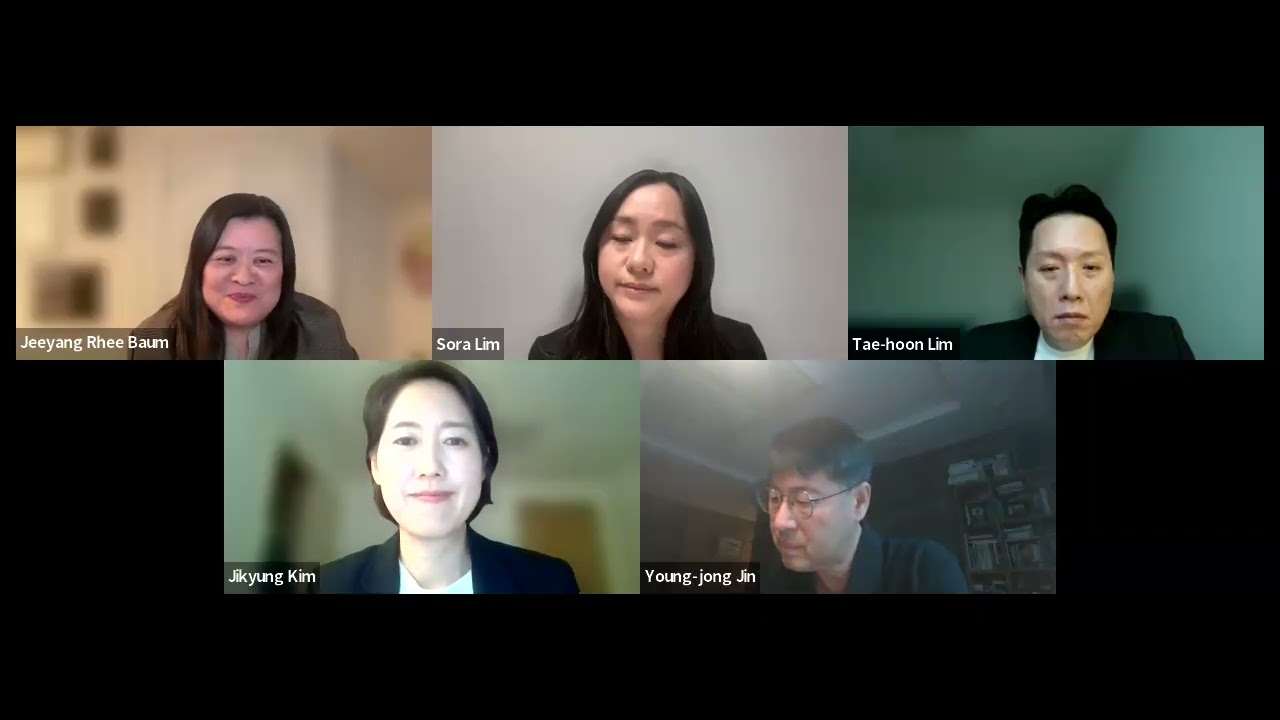
Democratic Backsliding and Resilience: South Korea’s December 3 Martial Law Crisis
Keywords
Summary
132 words
Critical Evaluation
Value of the Information & Strength of the Argument
The value of the information is exceptionally high due to the first-hand accounts from key actors. Jikyung Kim’s narrative provides a vivid, real-time perspective on the media’s role and the dangers faced. Sora Lim’s analysis of the ruling party’s behavior is well-supported with specific voting numbers and comparisons to the 2016 impeachment, offering a nuanced understanding of political dynamics. Young-jong Jin’s explanation of civil society’s pre-existing organization and the cultural aspects of the protests adds depth. Tae-hoon Lim’s statements, though delivered with technical interruptions, convey the urgency and provide insight into military culture. The argumentation is solid, grounded in personal experience and observable facts, though some claims could benefit from more formal citations.
Scientific Rigor, Source Quality, Title Accuracy
The panelists are highly credible due to their direct involvement and institutional affiliations. The discussion is rigorous, with specific details and data (e.g., voting numbers, timeline). However, the lack of formal citations and the technical difficulties with Tae-hoon Lim’s presentation slightly detract from the overall rigor. The title accurately reflects the content, focusing on democratic backsliding and resilience. The discussion is well-structured, covering the events, political dynamics, and civil society response. No comments were provided for analysis.
205 words
Title / Content Match
Title accurately reflects the content, focusing on democratic backsliding and resilience during the December 3 martial law crisis in South Korea.
Quality & Reliability
8/10
Panel of directly involved experts (journalist, legal scholar, human rights advocate, civil society leader) provides first-hand accounts and analysis. High credibility due to direct involvement and institutional affiliations, though some technical issues and lack of formal citations.
Key Moments
Markers derived by PSI from the transcript: the creator did not define chapters.
- Jikyung Kim begins her minute-by-minute account of the martial law night.
- Description of troops entering the National Assembly and lawmakers climbing walls.
- Jikyung Kim discusses the role of media and warning signs before martial law.
- Sora Lim analyzes the ruling party's response and voting numbers.
- Sora Lim explains the traitor narrative and party loyalty.
- Young-jong Jin begins his overview of civil society mobilization.
- Young-jong Jin describes the formation of the Emergency Action and the cultural nature of protests.
- Tae-hoon Lim starts his presentation, sharing his social media statements.
- Tae-hoon Lim discusses military culture and the lingering issues within the armed forces.
Cited Sources
- Harvard Ash Center — Hosting institution and organizer of the panel series.
- People's Solidarity for Participatory Democracy (PSPD) — NGO co-chaired by Young-jong Jin, involved in democratic movements.
- Center for Military Human Rights Korea — NGO founded by Tae-hoon Lim, monitoring military and protecting soldiers' rights.
- National Union of Mediaworkers — Union where Jikyung Kim chairs the Gender Equality Committee.
Concurring Sources
- International IDEA — Provides resources on democratic resilience and backsliding, aligning with the panel's themes.
Contribution & Novelties
This panel provides a unique, first-hand account of a critical moment in democratic resilience, offering practical lessons for democracies facing backsliding. The combination of perspectives from media, civil society, and military human rights adds depth. The discussion highlights the importance of pre-existing civil society organization, media vigilance, and the role of cultural protests in sustaining momentum.
Pour aller plus loin :
- Democratic backsliding — Overview of the concept and its mechanisms.
- Martial law — Definition and historical examples.
- Impeachment in South Korea — Legal process and historical cases.
- People Power Party — Political party dynamics discussed in the panel.
99 words
Radar Profile
The radar profile shows high scores in information quantity, quality, and reliability, with a slightly lower technical level, reflecting the panel's focus on practical experience and political analysis rather than technical detail.