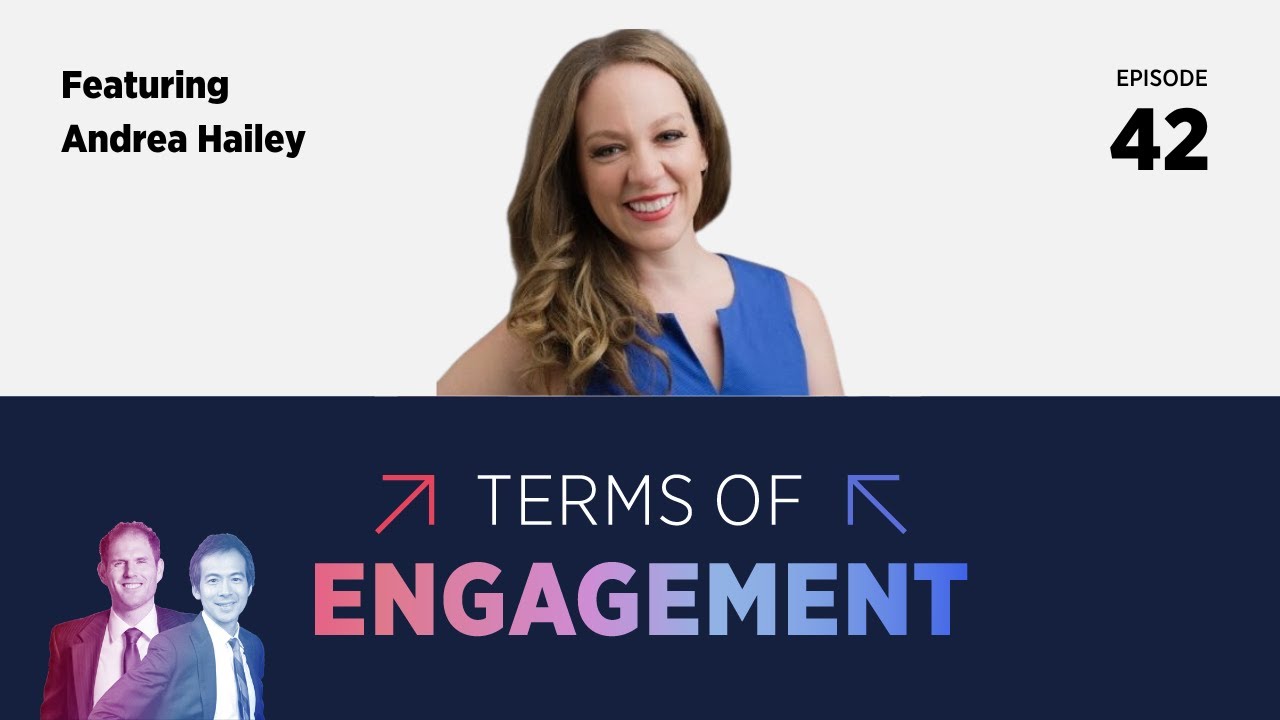
The 2026 Midterms: Trust, Turnout, and a Shifting Electoral Landscape
Keywords
Summary
169 words
Critical Evaluation
Value of the Information & Strength of the Argument
The value of the information lies in the firsthand perspective of a leading voter engagement organization, providing current data on registration trends and insights into the practical challenges of election administration. The argumentation is coherent and grounded in the organization’s experience, though it relies heavily on anecdotal evidence and personal interpretation rather than rigorous academic research. The hosts and guest present a balanced view, acknowledging both positive trends and potential threats to voter participation.
Scientific Rigor, Source Quality, Title Accuracy
The discussion is scientifically rigorous in its reliance on data from Vote.org and references to specific legislation and court cases. However, it lacks citations to academic studies or official reports, relying instead on the guest’s expertise and anecdotal evidence. The title accurately reflects the content, which focuses on trust, turnout, and the shifting electoral landscape. The show’s hosts are academics, and the guest is a practitioner, lending credibility to the discussion, but the lack of formal citations limits its scientific rigor.
170 words
Title / Content Match
The title accurately reflects the content, which focuses on trust, turnout, and the changing electoral landscape in the 2026 midterms.
Quality & Reliability
8/10
The discussion features an expert in voter engagement with concrete data from Vote.org, but relies on anecdotal evidence and personal interpretation rather than peer-reviewed studies.
Key Moments
Markers derived by PSI from the transcript: the creator did not define chapters.
- Introduction and overview of the show's purpose and guest.
- Discussion of Vote.org's mission and recent registration numbers.
- Analysis of the impact of restrictive voting laws like Florida's SAVE Act.
- Examination of primary turnout trends and enthusiasm among different demographics.
- Debate on whether high turnout is always positive and the dangers of low trust in elections.
- Discussion of the Louisiana primary and the effects of confusion on voter participation.
- Exploration of the role of technology in voter engagement and the future of registration.
- Consideration of the philosophical case for voting and the importance of civic participation.
- Audience questions and answers on specific state-level issues.
- Closing remarks and summary of key takeaways.
Cited Sources
- Vote.org — Mentioned as the organization's platform for voter registration and information.
- SAVE Act — Discussed as federal legislation requiring proof of citizenship for voter registration.
- Louisiana v. Callais — Supreme Court case mentioned in the context of redistricting and election disruption.
Concurring Sources
- Pew Research Center on voter turnout — Provides data on voter turnout and demographics that align with the discussion.
Dissenting Sources
- Heritage Foundation on election integrity — Offers a contrasting perspective on the need for stricter voter ID laws, which may conflict with the guest's views.
Contribution & Novelties
The episode provides a timely, practitioner perspective on voter engagement in the 2026 midterms, highlighting real-time data and challenges. It offers insights into the impact of recent legislation and court decisions on voter participation, and emphasizes the importance of trust in democratic processes.
Pour aller plus loin :
- Voter turnout in the United States — Overview of historical and current turnout trends.
- Voter registration in the United States — Explains the registration process and variations across states.
- Help America Vote Act — Federal law that influenced voter registration practices.
- Automatic voter registration — Concept discussed as a potential reform.
99 words
Radar Profile
The radar profile shows a balanced performance across all dimensions, with slightly higher scores in information quality and reliability, reflecting the expert guest and data-driven discussion. The lower score in technical level indicates that the content is accessible to a general audience, while the overall high scores suggest a valuable and trustworthy resource.
💬 Sur les 0 commentaires analysés, aucune tendance n'est disponible.