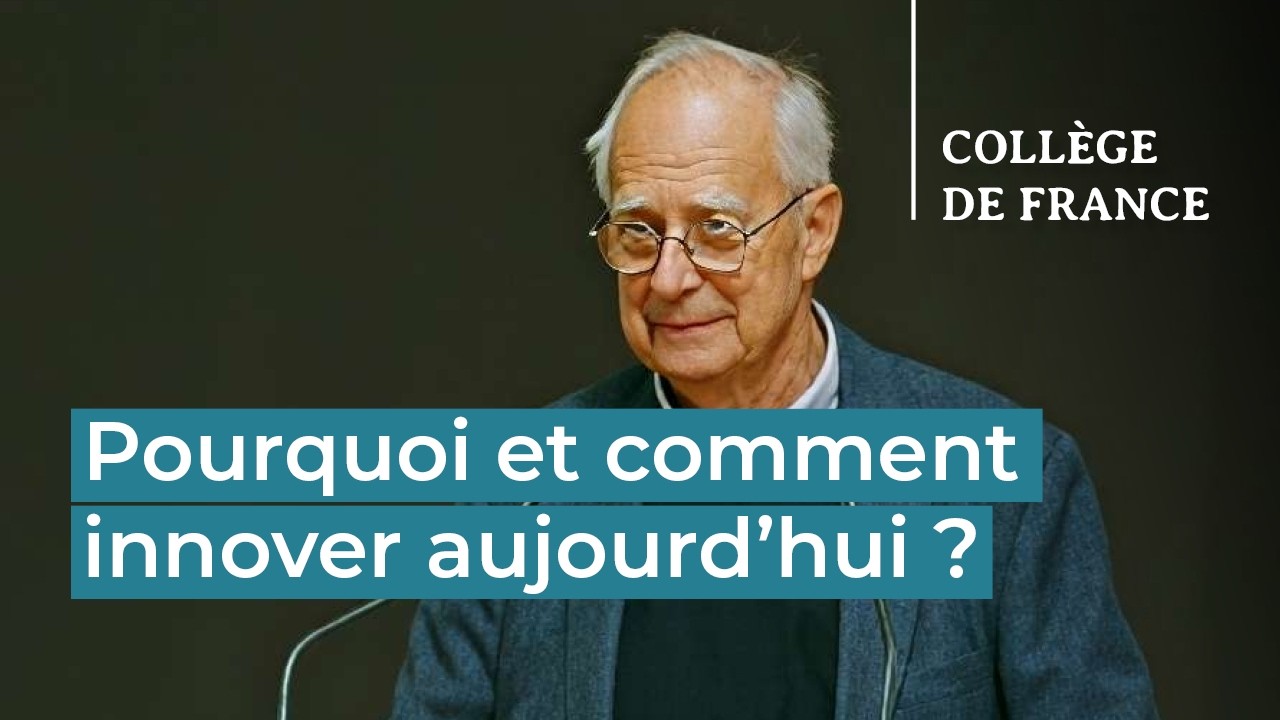
Pourquoi et comment innover aujourd'hui ? - 2026-27 (2)
Why and how to innovate today? - 2026-27 (2)
Title history
- Pourquoi et comment innover aujourd'hui ? - 2026-27 (2) — observed on 20261026-1551 UTC (YouTube)
Keywords
Summary
163 words
Critical Evaluation
Value of the Information & Strength of the Argument
The information value is substantial, grounded in the speaker’s personal experience as a physician-scientist and former administrator. The argumentation is structured around concrete examples (Clozel, Zerhouni) that illustrate the journey from research to innovation, including obstacles such as the initial lack of interest from pharmaceutical companies like Hoffmann-La Roche. Corvol emphasizes the non-linear nature of innovation, countering the simplistic ‘from bench to market’ narrative, and provides insights into institutional support mechanisms. The reasoning is clear and persuasive, although somewhat reliant on anecdotal evidence rather than systematic data.
96 words
Title / Content Match
The title accurately reflects the content: an introductory reflection on the rationale and methods of innovation.
Quality & Reliability
8/10
Talk by a renowned professor at Collège de France, drawing on personal experience and documented case studies; high credibility, but the short format limits depth.
Key Moments
Markers derived by PSI from the transcript: the creator did not define chapters.
- Host introduces Pierre Corvol and his career
- Corvol discusses innovation as a global competition driver and past academic skepticism
- Didier Raoult's distinction between discovery, invention, and innovation
- History of the Liliane Bettencourt Chair of Technological Innovation
- Jean-Paul Clozel and Actelion: from discovery of bosentan to biotech startup
- Elias Zerhouni: NIH director and 4P medicine innovation lessons
- Ethical considerations on biomedical progress and conclusion
Cited Sources
- Colloque: Pourquoi et comment innover aujourd'hui — Official conference page referenced in the video description
- YouTube playlist of the conference — Playlist containing the conference recordings, linked in description
External References
Contribution & Novelties
The lecture offers a retrospective on institutional innovation support at a major academic institution, providing anecdotal yet valuable insights into the challenges of translating research into products, such as the bosentan case. Its novelty lies in the personal perspective of a key figure in French academic leadership.
Pour aller plus loin :
- Optogenetics — Central to the Deisseroth and Nagel work discussed; relevant for understanding the highlighted innovation.
- Actelion — The biotech company founded by the Clozels, illustrating the startup journey from academic research.
- P4 Medicine — Concept promoted by Zerhouni; broadens the scope to predictive, preventive, participatory medicine.
- Innovation — General framework distinguishing types and processes of innovation, relevant to Raoult’s taxonomy.
113 words