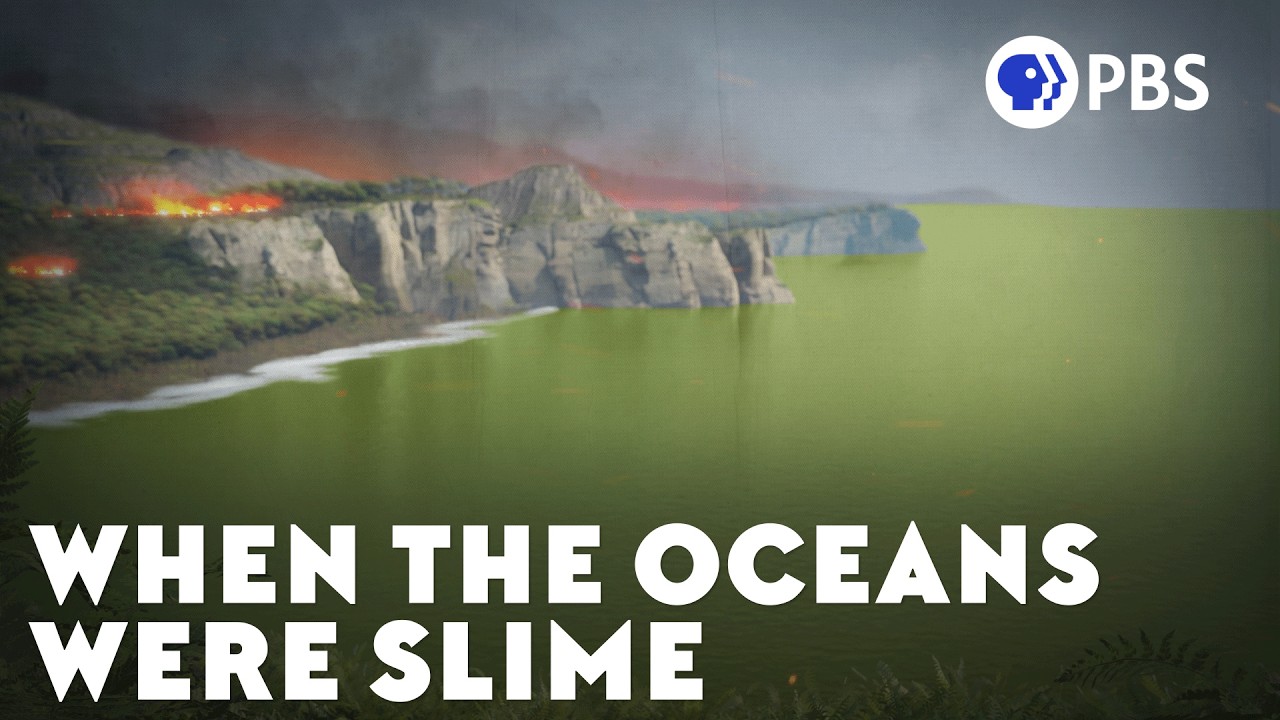
When Earth Was a Toxic Wasteland
Keywords
Summary
150 words
Critical Evaluation
Value of the Information & Strength of the Argument
The video excels in explaining a complex scientific hypothesis with clarity and engaging storytelling. It builds the argument step by step: presenting the geological context, introducing the genetic evidence (isotope anomalies), and linking it to the ecological role of nickel and Methanosarcina. The narration explicitly acknowledges that the role of microbes is still debated, and it presents alternative interpretations about their impact on recovery, demonstrating intellectual honesty. The use of visual metaphors and analogies enhances understanding, while the pacing keeps the audience engaged. The scientific content is accurate and well-sourced, with specific references to studies like the 2014 research on nickel levels in Permian rocks.
Scientific Rigor, Source Quality, Title Accuracy
The video maintains a high standard of scientific rigor, typical of PBS Eons, which is known for reliable science communication. It mentions specific research findings (e.g., the isotope signatures and nickel enrichment) without overstating certainty, clearly labeling the microbial amplification as a hypothesis. However, the description lacks direct links to the scientific papers mentioned, relying instead on promotional links for the TV series and donations. The title is accurate and not sensationalist. Viewer comments reflect strong appreciation for the channel’s credibility and the video’s educational value, with many expressing enthusiasm for the new series and the topic’s relevance to current environmental issues.
222 words
Title / Content Match
The title accurately reflects the content, which focuses on the toxic post-extinction environment shaped by microbial proliferation.
Quality & Reliability
8/10
The video presents a well-established scientific hypothesis with supporting evidence, and clearly distinguishes between accepted facts and ongoing debates. It relies on peer-reviewed research (e.g., the 2014 study on Methanosarcina) and is produced by a reputable channel, though it lacks direct citations in the description.
Key Moments
Markers derived by PSI from the transcript: the creator did not define chapters.
- Introduction to the end-Permian extinction and its scale
- Introduction of the Methanosarcina hypothesis and horizontal gene transfer
- Explanation of nickel as a key ingredient from Siberian Traps
- Description of microbial mats as disaster taxa and the coal gap
- Comparison of ancient methane release to modern human emissions
Cited Sources
- PBS Eons Donation Page — Support link for PBS member stations
- PBS Eons App — Link to watch the new series 'Eons: Life and Death on Pangea'
- PBS Eons Website — Alternative link for viewing outside the U.S.
- PBS Eons Bluesky — Social media profile
Contribution & Novelties
This video provides an accessible synthesis of the hypothesis that microbial methanogenesis amplified the Permian-Triassic extinction, a relatively recent and debated idea. It connects geological, genetic, and ecological threads to explain how a tiny organism could trigger a planetary catastrophe, and introduces concepts like ‘disaster taxa’ to a broad audience. The video also underscores the modern relevance of ancient microbial feedback loops in climate change scenarios.
Pour aller plus loin :
- Methanosarcina — The genus of archaea central to the methane burst.
- Permian–Triassic extinction event — Overview of the greatest mass extinction.
- Horizontal gene transfer — Mechanism behind the Methanosarcina adaptation.
- Microbialite — Fossilized microbial mats that dominated after the extinction.
- Siberian Traps — The volcanic province that provided nickel and greenhouse gases.
123 words
Radar Profile
The score profile shows high quality and reliability with a moderate technical level, reflecting a well-researched yet accessible science communication piece. The balance between information quantity and technical depth suggests it effectively reaches a general audience without oversimplifying the science.
💬 Based on the 30 comments analyzed, the response is overwhelmingly positive, with viewers expressing appreciation for the content, humor about microbes, and anticipation for the new series.