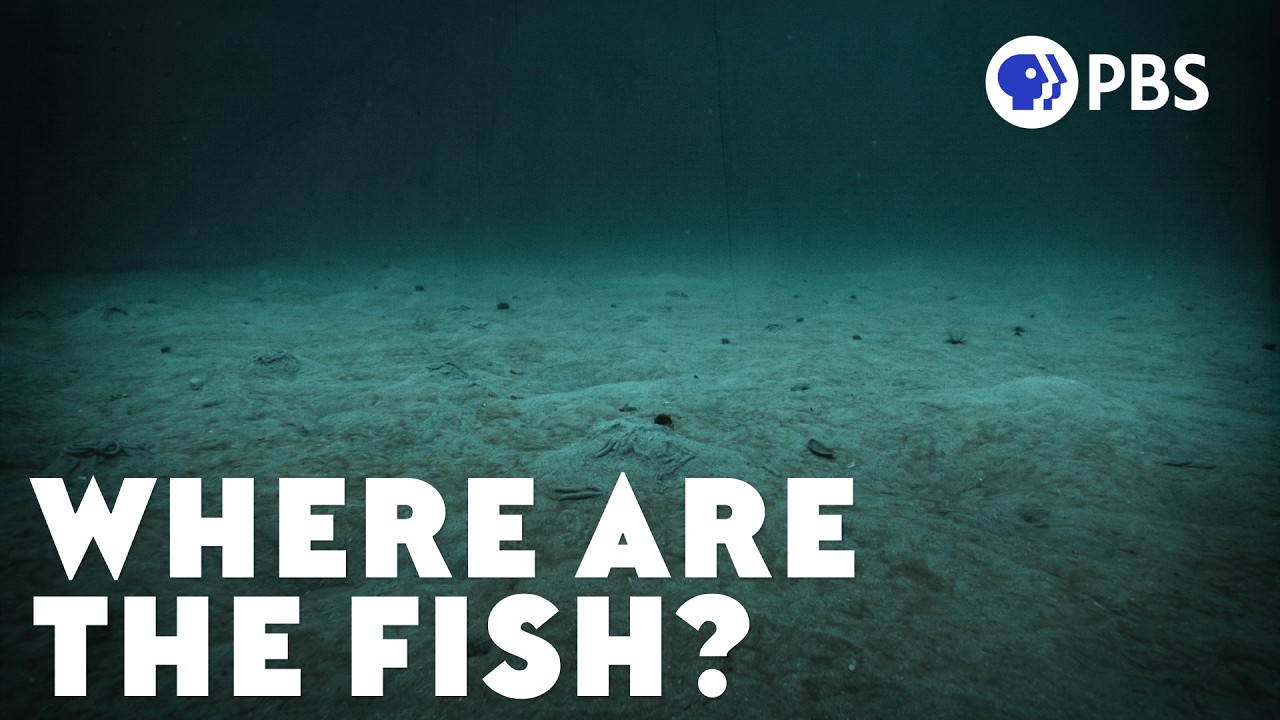
The Mystery of the Missing Deep-Sea Fish
Keywords
Summary
207 words
Critical Evaluation
Value of the Information & Strength of the Argument
The video provides substantial value by synthesizing fossil evidence, molecular data, and a recent study to address a significant gap in vertebrate evolution. It presents a clear scientific narrative, explaining complex concepts like anoxia, marine snow, and trace fossils in an accessible manner. The argumentation is well-structured: it outlines the mystery, evaluates alternative hypotheses (environmental challenges vs. missing evidence), and introduces the new 2023 findings. The connection between angiosperm radiation and deep-sea colonization is logically drawn, with supporting evidence for increased marine productivity. The video acknowledges remaining uncertainties, such as the possibility of earlier undiscovered colonization waves, which strengthens its scientific credibility.
Scientific Rigor, Source Quality, Title Accuracy
The video demonstrates high scientific rigor by referencing peer-reviewed studies, including the 2023 trace fossil paper, and providing a link to a Google Doc with full references. The narrative is carefully nuanced, distinguishing between established facts and hypotheses. The title is apt, as the content investigates the ‘mystery’ of the delayed appearance of deep-sea fish and proposes a plausible explanation. The video’s production quality is high, with accurate visual reconstructions and clear explanations. The provided references document supports the reliability of the information. The title-content alignment is perfect, as the video directly addresses the question posed.
213 words
Title / Content Match
The title accurately reflects the topic: the video investigates why deep-sea fish appear late in the fossil record and offers a potential explanation. The content directly addresses the mystery and provides evidence and hypotheses.
Quality & Reliability
9/10
The video is produced by PBS Eons, a reputable science channel known for rigorous research. It presents a well-structured narrative based on peer-reviewed studies, including a 2023 paper on trace fossils, and clearly distinguishes evidence from hypothesis. The information is accurate and up-to-date, with appropriate caveats about uncertainties.
Key Moments
Markers derived by PSI from the transcript: the creator did not define chapters.
- Introduction of Edward Forbes' azoic hypothesis, which incorrectly claimed the deep sea was lifeless.
- Explanation of the deep sea delay: vertebrates conquered land and air before the depths, with fossil evidence.
- Discussion of hypotheses: harsh conditions vs. missing fossil evidence due to anoxic events and subduction.
- Presentation of the 2023 study of 130-million-year-old trace fossils from Italy, suggesting an early deep-sea colonization.
- Proposal that angiosperms increased marine productivity, enabling neoteleost diversification into the deep sea.
Cited Sources
- References for this episode (Google Doc) — The description provides this link to access the detailed references cited in the video, including the 2023 study on trace fossils.
Concurring Sources
- References for this episode (Google Doc) — The reference doc provides supporting scientific literature for the video's claims, including the 2023 study and other relevant papers.
External References
Contribution & Novelties
The video synthesizes recent research to offer a novel hypothesis linking angiosperm radiation to deep-sea vertebrate colonization. It presents a clear narrative that challenges the perception of deep-sea fish as ancient, showing they are relatively recent arrivals. The 2023 trace fossil discovery adds a new piece of evidence, and the video integrates it with existing hypotheses to propose a plausible mechanism. The discussion of ecosystem connectivity across land and sea is a valuable contribution to science communication.
Pour aller plus loin :
- Marine snow sur Wikipedia — Relevant to understand the energy source for deep-sea food webs.
- Neoteleostei sur Wikipedia — The group of fish that diversified into the deep sea, as discussed.
- Anoxic event sur Wikipedia — Explains the global anoxic events that may have wiped out earlier deep-sea life.
131 words
Radar Profile
The radar profile shows high scores in quantity and quality of information (9), reflecting the video's depth and accuracy. The technical level (7) indicates accessible yet scientifically robust content. Overall reliability (9) underscores the trustworthy nature of the presentation, with a balanced and well-sourced narrative.
💬 The comments are overwhelmingly positive, with viewers expressing appreciation for the clear explanation and the fascinating topic. Many humorous remarks highlight the relatability of the content, and a few constructive suggestions about linking to related episodes. The overall sentiment is very positive, with no significant criticism.