Clipped Wings at Biggin Hill: Racing to Ready the Greek Spitfire Mk IX
Keywords
Summary
176 words
Critical Evaluation
Value of the Information & Strength of the Argument
The documentary provides genuine value through its insider perspective on vintage aircraft restoration, showing the meticulous work required to preserve original components and the trade-offs between authenticity and practicality. The argumentation is sound, grounded in tangible evidence such as close-ups of original part markings, the fitting process, and the rational for clipped wings improving low-altitude performance. However, the narrative occasionally romanticizes history, as seen in the pub story about Tuck, but this does not undermine the technical substance. The interviews with Gladys Unsworth offer a valuable oral history perspective, enriching the viewer’s understanding of the human element behind the machines. The logic is coherent: the deadline creates tension, the team’s efforts are visible, and the resolution at the airshow provides payoff.
Scientific Rigor, Source Quality, Title Accuracy
The documentary maintains a high level of scientific rigor in the sense that the restoration techniques shown are authentic and the historical information is presented accurately, though without formal citations. The sources are primarily the team members’ expertise and the veteran’s testimony, which are firsthand and credible. The title is faithful to the content, highlighting the challenge of fitting clipped wings and the race against time. There is no mismatch between title and content. The production avoids speculative commentary, instead showing real processes and letting the participants explain their work. While not a scholarly piece, it upholds a standard of factual reporting consistent with documentary journalism.
242 words
Title / Content Match
The title accurately captures the core tension: the 10-day scramble to fit clipped wings and prepare the Greek Spitfire for the Biggin Hill airshow, with the race against the paint-shop deadline and the missing third aircraft raising stakes.
Quality & Reliability
7/10
High production quality with direct interviews and hands-on restoration footage. Technical details are accurate but presented in a narrative style without citations to external peer-reviewed sources. Historical claims rely on conventional knowledge and personal accounts, but the documentary does not misrepresent facts.
Key Moments
Markers derived by PSI from the transcript: the creator did not define chapters.
- Introduction to the Spitfire Factory and the challenge of the Biggin Hill airshow.
- Peter sources used clipped wingtips from a previous restoration, hoping to save a week.
- Fitting the wingtips, team works through the weekend to meet Monday paint-shop deadline.
- Austin shares pub history at White Hart, including the tale of Robert Stanford Tuck.
- Monday: Greek Spitfire is transported to paint shop; Alex works on rudder pedals.
- Ray meets WAAF veteran Gladys Unsworth; discussion of women's roles in wartime maintenance.
- Paint job returns; Peter is delighted with the Greek Air Force colors and satin finish.
- Airshow day begins; 12,000 crowd expected; aircraft positioned for display.
- Display planning: three-ship formation with Hurricane and Spitfires; Dutch Spitfire delayed due to weather.
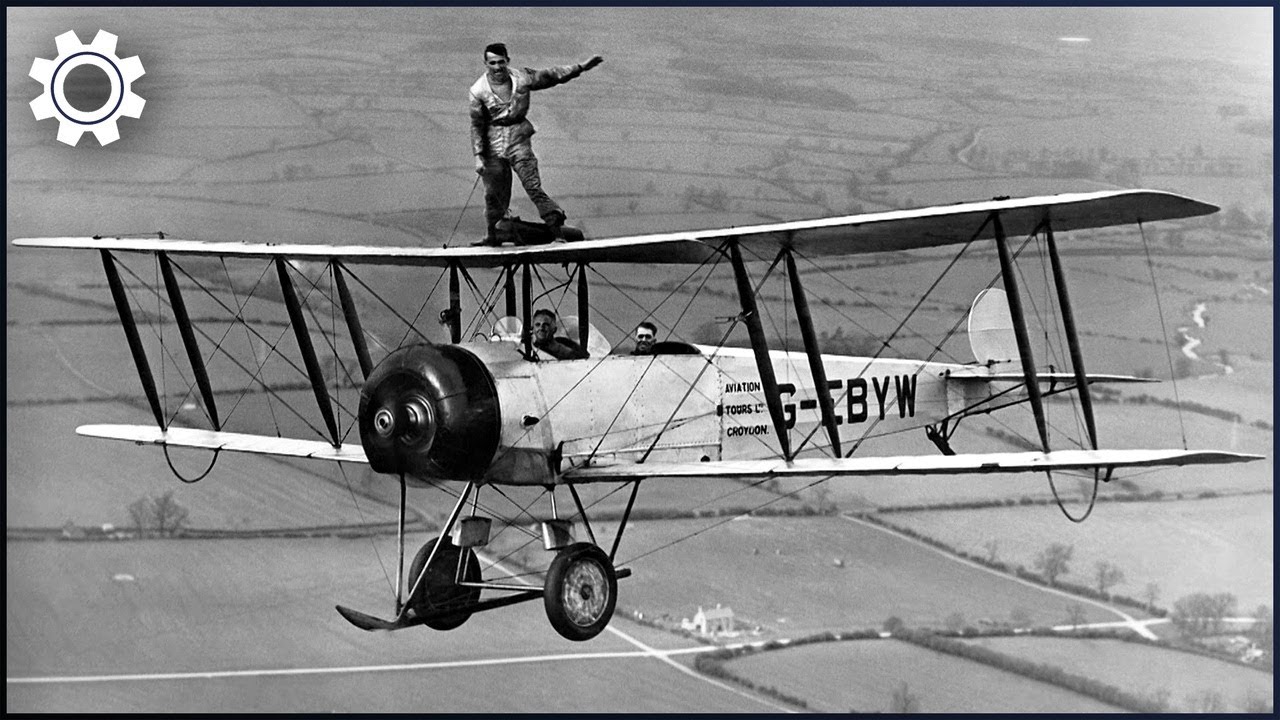
- Wing walkers and safety briefing; Dan explains formation flying discipline.
Contribution & Novelties
The documentary offers a rare behind-the-scenes look at the meticulous restoration of a WWII Spitfire, emphasizing the challenges of sourcing and adapting vintage parts, and the human stories of those who preserve them. It brings original interviews with a surviving WAAF mechanic, providing a personal counterpoint to the engineering focus. The segment on clipped wingtips explains a specific modification and its tactical rationale, adding depth to common aviation knowledge.
Pour aller plus loin :
- Supermarine Spitfire — Comprehensive overview of the aircraft’s design, variants, and operational history.
- Women’s Auxiliary Air Force — Historical context on women’s roles in WWII RAF support, including mechanics.
- Biggin Hill — History of the airfield and its significance in the Battle of Britain.
- Robert Stanford Tuck — Detailed biography of the pilot mentioned in the pub anecdote.
132 words
Radar Profile
The radar profile shows high scores in information quantity and quality, with moderate technical depth and reliability. This indicates a well-produced documentary that balances detailed restoration processes with historical narrative, though it does not reach the rigor of academic sources. The reliability score reflects the use of firsthand testimonies and observable work, but the lack of external citations keeps it from being a reference-grade source.