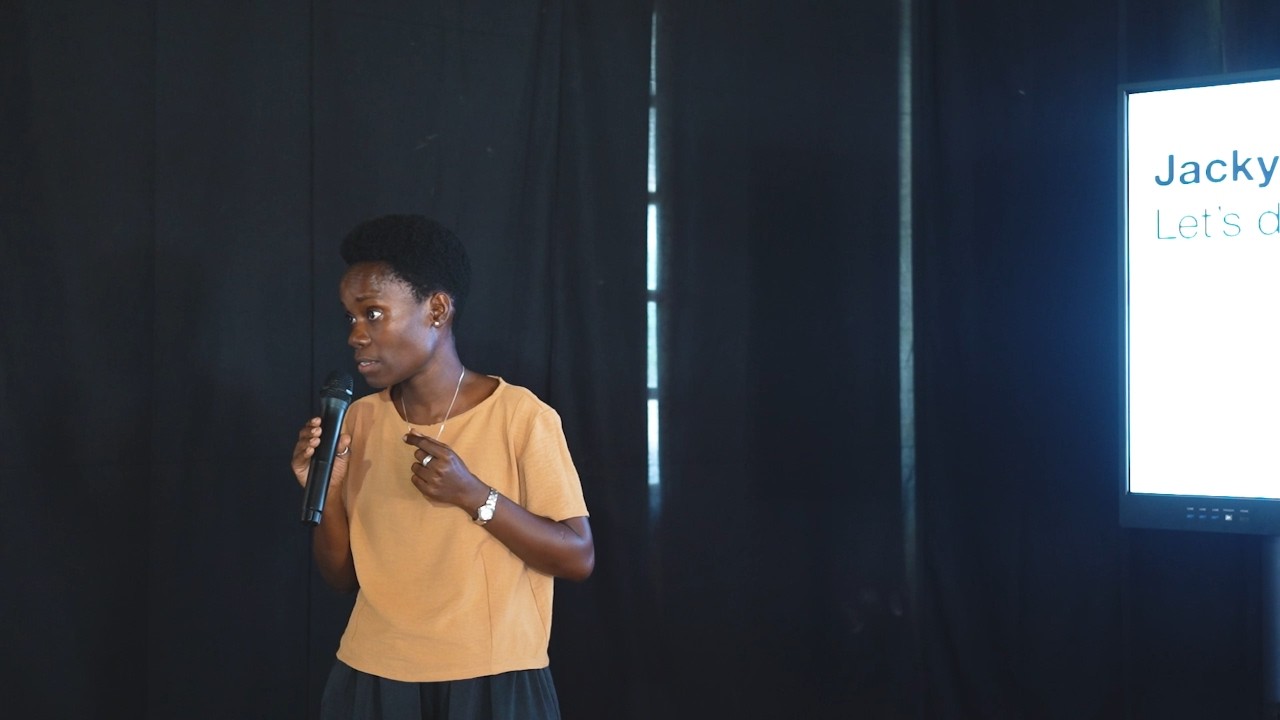
Lets Do Things Right For Youth | Jacky Kowa | TEDxDiani Beach
Title history
- Lets Do Things Right For Youth | Jacky Kowa | TEDxDiani Beach — observed on 20261120-1939 UTC (YouTube)
Keywords
Summary
177 words
Critical Evaluation
Value of the Information & Strength of the Argument
The talk offers practical insights into youth engagement, arguing that effective programs must be designed with youth, not for them. Kowa’s emphasis on small circles and storytelling as tools for communication is valuable, as is her call to use lived experiences as data. Her argument is coherent and persuasive, built on years of hands-on work in the field. However, it lacks empirical evidence or systematic analysis, relying instead on anecdotal successes. The reasoning is sound but not rigorous in a scientific sense, making it more of a motivational narrative than a research-based presentation.
Scientific Rigor, Source Quality, Title Accuracy
The talk does not cite external sources, limiting its scientific rigor. The only reference is the TEDx program itself. The speaker’s credibility rests on her professional experience as a community development expert and Mandela Washington Fellow. The title is well-aligned with the content, which focuses on doing things correctly for youth. However, the lack of citations and concrete data makes it difficult to verify the claims made. The presentation is more inspirational than evidenced-based.
182 words
Title / Content Match
The title accurately reflects the talk's focus on improving youth engagement and development through community-centered approaches.
Quality & Reliability
7/10
The talk is based on personal experience and community engagement rather than cited scientific studies. It presents plausible insights but lacks verifiable data or references, limiting its scientific reliability.
Key Moments
Markers derived by PSI from the transcript: the creator did not define chapters.
- Speaker introduces herself and her background, family of six girls and one boy, and discusses early taboos around sexuality.
- Reflects on 1990s HIV awareness campaigns and the shift from fear-based messaging to more open discussions.
- Describes how her Girl Guide experience with small circles and storytelling influenced her approach to community work.
- Discusses formation of a peer education network and collaboration with MTV Staying Alive to create drama series 'Sugar Mashiki'.
- Highlights community problems like drug abuse, teenage pregnancy, and unemployment, and calls for audience action and networking.
Cited Sources
- TEDx — The talk was given at a TEDx event, and this link provides general information about TEDx programs.
Contribution & Novelties
The talk contributes a grassroots perspective on youth sexual reproductive health, emphasizing peer-led education and community-centered design. It introduces the ‘small circles’ method as a tool for open dialogue and highlights the importance of trusting youth as co-creators. The speaker’s experience with the MTV Shuga drama series illustrates an innovative media approach. This narrative adds practical examples to the discourse on youth engagement, though it doesn’t offer novel scientific findings.
Pour aller plus loin :
- Sexual and reproductive health — Provides background on the broader health area the talk addresses.
- Peer education — Explores the methodology behind peer-led learning, central to her approach.
- Youth empowerment — Connects to the speaker’s call for youth participation and leadership.
116 words
Radar Profile
The radar profile shows low technical complexity but moderate information quality and reliability, reflecting a personal, practice-based talk rather than a rigorous academic presentation. The balance across dimensions indicates an emphasis on practical relevance over scholarly depth.