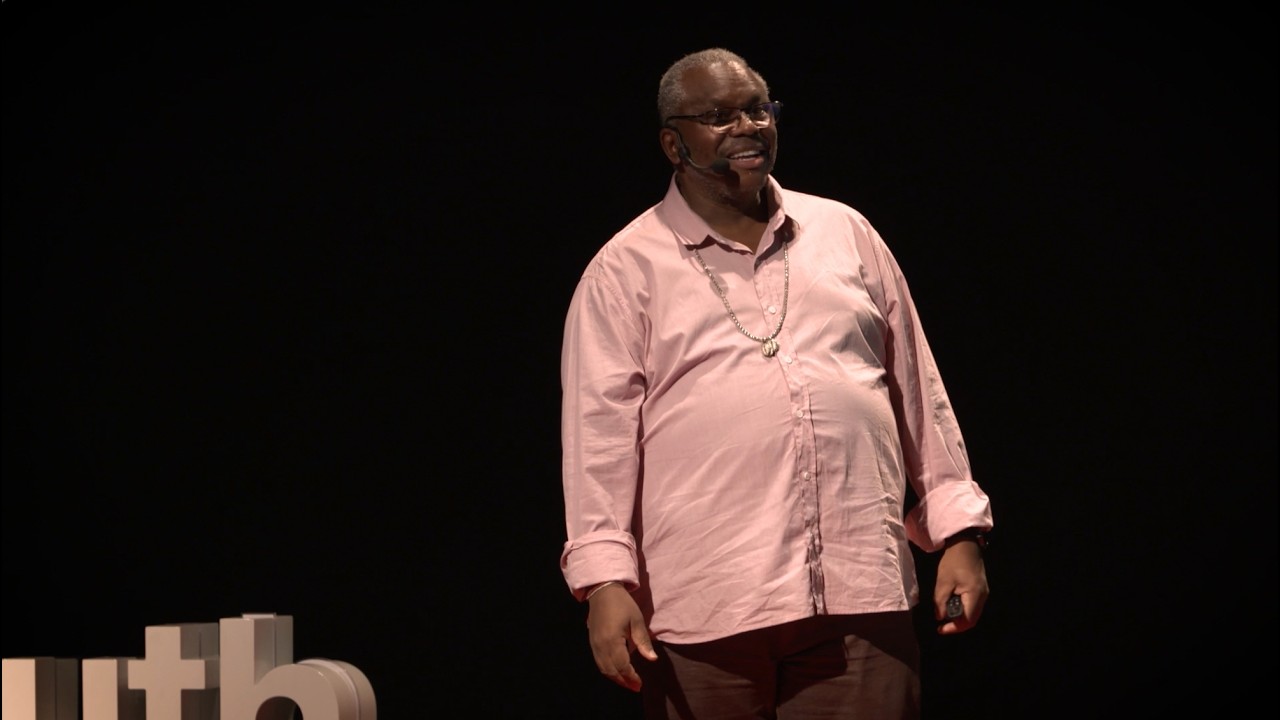
Enfrentar o racismo também é responsabilidade individual | Fábio Conceição | TEDxEscola Parque Youth
Confronting racism is also an individual responsibility | Fábio Conceição | TEDxEscola Parque Youth
Keywords
Summary
159 words
Critical Evaluation
Value of the Information & Strength of the Argument
The talk’s value lies in its compelling personal narrative that illustrates the pervasiveness and normalisation of racism in Brazil. The argument that anti-racism requires individual responsibility from white people, not just allyship, is well-articulated and emotionally engaging. The speaker uses concrete anecdotes (teacher’s remark, professor’s warning, wage gap statistics) to ground his claims, though the statistical references are brief and not sourced. The logical progression from personal experience to societal call to action is coherent, making the argument persuasive despite a lack of academic depth.
Scientific Rigor, Source Quality, Title Accuracy
The talk is a first-person account with limited external references. The only cited source is the TEDx organization itself. The speaker’s expertise (doctoral student in public policies, master’s in ethnic-racial relations) lends some credibility, but the content relies heavily on personal testimony rather than research. The title accurately encapsulates the message, though the emphasis on ‘individual responsibility’ is a clear stance within broader anti-racist discourse. No conflicting sources are mentioned, but the lack of citations reduces scientific rigor.
178 words
Title / Content Match
The title accurately reflects the talk's core message: emphasizing individual responsibility in anti-racist action alongside systemic perspectives.
Quality & Reliability
5/10
The talk is a personal testimonial with a few statistical references, but lacks explicit citations or verifiable sources. The argument is persuasive but relies on anecdote and general assertions rather than rigorous evidence.
Key Moments
Markers derived by PSI from the transcript: the creator did not define chapters.
- Speaker introduces his childhood in Cidade de Deus and community lessons
- Recounts the teacher's statement about the 'nature of the negro' and his mother's advice
- Professor Lércio's warning about needing to be superior to white peers
- Discussion of racial wage gap and systemic inequality
- Call for white individuals to take responsibility rather than merely be allies
Cited Sources
- TEDx Program — Description of the event format and organizer
Concurring Sources
- TEDx Talks — The presentation is part of the TEDx format, which typically features expert opinions sharing personal insights.
Contribution & Novelties
The talk contributes a personal, Brazilian perspective to the discourse on anti-racism, emphasising the distinction between allyship and responsibility. It reinforces existing scholarship on white privilege and systemic racism but offers a practical call to action for white individuals in everyday contexts.
Pour aller plus loin :
- Racism in Brazil — Relevant background on structural racism in Brazilian society.
- White privilege — Discusses the benefits and unearned advantages of whiteness.
- Anti-racism — Overview of anti-racist movements and practices.
78 words
Radar Profile
The radar profile shows moderate scores in information quality and reliability, with lower technical content and quantity. This aligns with an opinion-driven talk that is personally engaging but less evidence-dense.