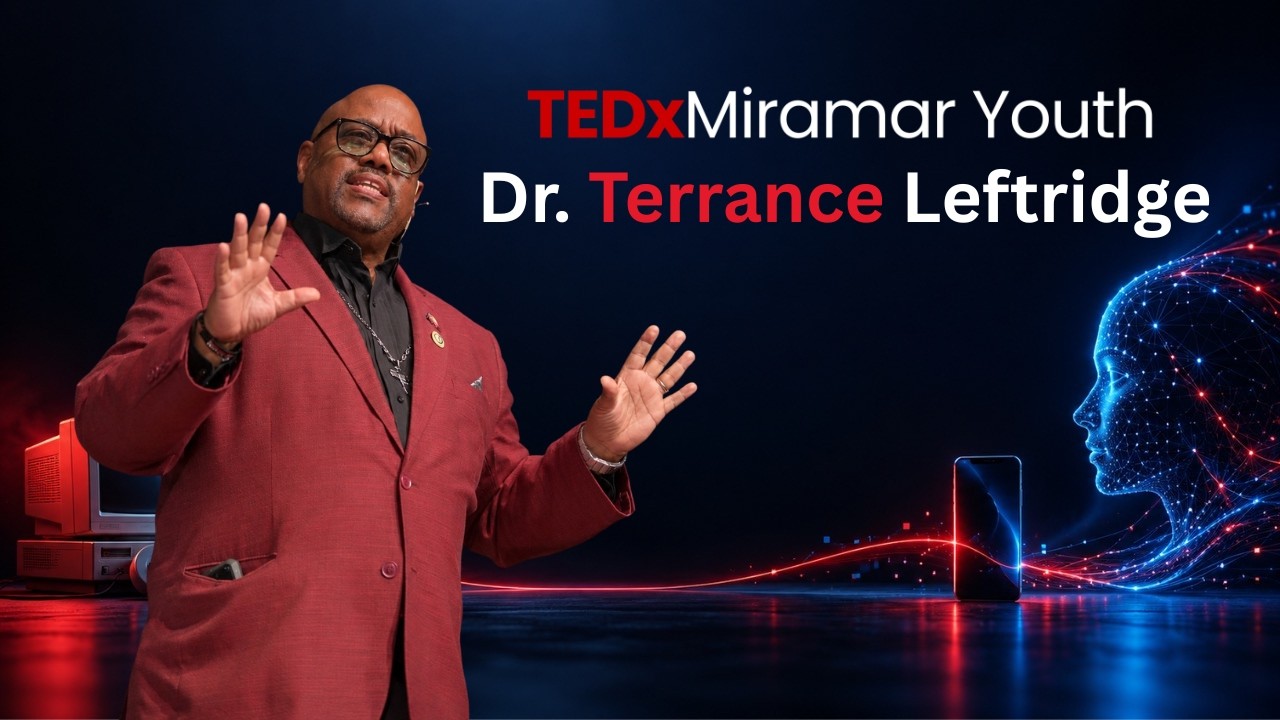
Why are teens so lonely? | Dr. Terrance Leftridge | TEDxMiramar Youth
Title history
- Why are teens so lonely? | Dr. Terrance Leftridge | TEDxMiramar Youth — observed on 20261114-0306 UTC (YouTube)
Keywords
Summary
150 words
Critical Evaluation
Value of the Information & Strength of the Argument
The talk provides a compelling personal narrative that effectively illustrates the psychological impact of social media on adolescent identity. The argument is coherent: hypervisibility in digital spaces does not alleviate feelings of isolation; instead, it can exacerbate them by creating performance pressure. The speaker’s solution—rebuilding communities and fostering mentorship—is practical and resonates with existing research on adolescent development, though it is presented more as an opinion than an empirical claim. The emotional appeal is strong, and the call to action is clear, making the talk valuable for educators and parents seeking to understand and address teen loneliness.
Scientific Rigor, Source Quality, Title Accuracy
Rigueur scientifique : the talk relies on anecdotal evidence and personal reflection rather than academic research. It cites no specific studies or data, which limits its scientific rigor but is typical for a motivational TEDx talk. Quality of sources : no external references are mentioned; the only link provided is to TEDx’s general website, which offers no additional support. Adéquation titre/contenu : the title accurately reflects the content, focusing on the loneliness of teens in the digital age. The talk stays on topic, addressing the causes (hypervisibility) and offering a potential solution (community and mentorship). No comments were provided for analysis.
213 words
Title / Content Match
The title directly matches the content: the speaker explains the paradox of hypervisibility and loneliness among teens, using personal stories to illustrate the need for genuine community and mentorship.
Quality & Reliability
6/10
TEDx talk offering a personal anecdote and philosophical argument about teen loneliness and hypervisibility online. Lacks empirical data or peer-reviewed sources, but presents a coherent and relevant thesis with a clear call to action.
Key Moments
Markers derived by PSI from the transcript: the creator did not define chapters.
- Introduction: memory of being last picked on the playground, setting up the theme of being overlooked.
- Explanation of the paradox: hypervisibility online but still feeling lonely and unseen.
- Contrast between visibility and identity, and the shift from memorable experiences to performance.
- Proposal to rebuild communities where identity is molded, not measured.
- Personal story of Sister Helen, who cast him as Harold Washington, giving him a larger identity.
- Call to action: be someone's 'Sister Helen' and see people before the world measures them.
Cited Sources
- TEDx Talks - Official site — The talk is part of the TEDx series, and the description mentions this link for more information about independently organized TED events.
Contribution & Novelties
The talk offers a personal and accessible perspective on the loneliness epidemic among teens, linking hypervisibility on social media to a crisis of identity. Its novelty lies in the framing of ‘visibility vs. identity’ and the emphasis on community mentorship as a remedy, illustrated through a heartfelt anecdote. While not scientifically novel, it provides a memorable metaphor and a practical call to action for adults.
Pour aller plus loin :
- Social Identity Theory — Explains how group membership shapes self-concept, relevant to identity formation in online communities.
- Digital Media Use and Mental Health — Review of research on how screen time and social media affect well-being, including loneliness.
- Mentorship — Discusses the role of mentors in personal development, directly supporting the speaker’s argument for community guidance.
126 words
Radar Profile
The radar profile shows a balanced but moderate score across all dimensions, with slightly higher quality of information and lower technical depth, indicating an accessible talk with a solid emotional and rhetorical foundation but limited scientific rigor.