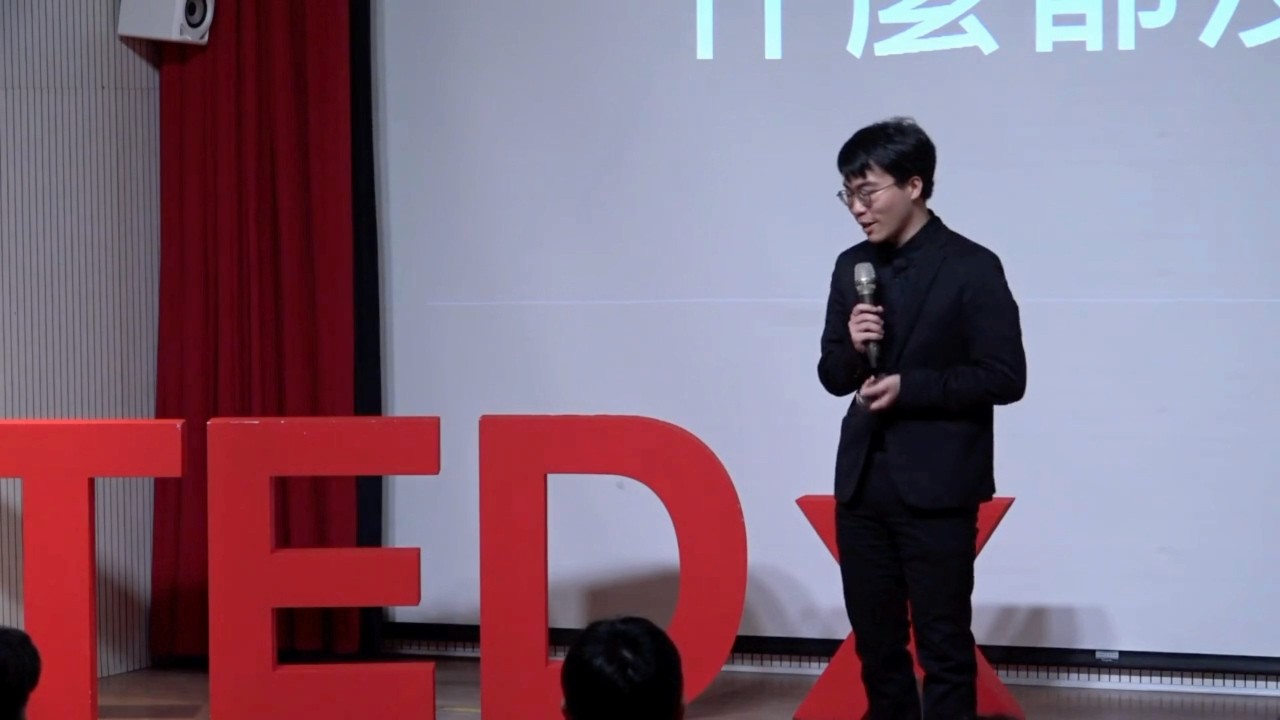
未完待續 To Be Continued | 陳 翰琨 | TEDxTaipei Fuhsing Private School
To Be Continued | Han-Kun Chen | TEDxTaipei Fuhsing Private School
Title history
- 未完待續 To Be Continued | 陳 翰琨 | TEDxTaipei Fuhsing Private School — observed on 20261119-1254 UTC (YouTube)
Keywords
Summary
193 words
Critical Evaluation
Value of the Information & Strength of the Argument
The talk provides valuable insights into how young students can access space technology through NASA competitions and grassroots projects. It highlights the importance of persistence and adaptability when facing failures, such as the rocket explosion. The argument is built around personal anecdotes, which are engaging but not heavily evidence-based. The speaker effectively demonstrates that resources like youth and creativity can compensate for lack of funding, making the content inspiring and actionable for aspiring space enthusiasts.
Scientific Rigor, Source Quality, Title Accuracy
The talk is a personal account without formal scientific citations, but it references concrete projects and collaborations (e.g., NASA, TSMC, New Zealand rocket company). The quality of sources is limited to the speaker’s own experience, which is credible but not independently verifiable. The title ‘To Be Continued’ matches the content well, as the speaker emphasizes ongoing efforts and future potential. No audience comments were provided to analyze trends.
158 words
Title / Content Match
The title 'To Be Continued' aptly reflects the speaker's message about ongoing journeys and youth as a valuable resource, matching the narrative of unfinished space projects and future aspirations.
Quality & Reliability
6/10
The talk is a personal narrative sharing experiences in space education and small satellite projects. It lacks rigorous scientific detail or citations, but the speaker demonstrates hands-on involvement in real space missions and international collaborations. The reliability is moderate, as it is primarily anecdotal with some verifiable achievements.
Key Moments
Markers derived by PSI from the transcript: the creator did not define chapters.
- Introduction and background as a space engineering student
- Winning NASA's crowdsourcing challenge with a space station washing machine concept
- Decision to participate in Brazil's rocketry competition and building a small satellite from affordable parts
- Diplomatic challenges and collaboration with Brazilian Air Force Technical Institute (ITA)
- First rocket launch explosion and loss of their satellite
- Securing sponsorship from TSMC and returning to Brazil with a new satellite
- Opportunity to launch satellites in Oman with a New Zealand company, working in the desert
- Reflection on youth as a valuable resource and closing encouragement
Cited Sources
- TEDx Talks — Organization of the TEDx event and general information about the format
Contribution & Novelties
The talk offers a unique perspective on grassroots space education, showing how students can engage with real space technology through affordable projects and international collaborations. It emphasizes the value of youth and creativity over financial resources. The speaker’s experience with NASA crowdsourcing and small satellite development provides practical inspiration for young audiences.
For further exploration:
- CubeSat — A standard for small satellites, relevant to the speaker’s focus on miniaturized platforms.
- NASA’s CubeSat Launch Initiative — A program that provides launch opportunities for small satellites, similar to the speaker’s involvement.
- Crowdsourcing in science — The speaker’s participation in NASA challenges exemplifies crowdsourced problem-solving.
- International Astronautical Federation — An organization promoting space cooperation, relevant to the speaker’s international collaborations.
117 words
Radar Profile
The radar profile shows moderate scores across information quantity, quality, and reliability, with a lower technical level. This reflects the talk's focus on narrative and inspiration rather than deep technical detail, but it maintains credibility through real-world project references.