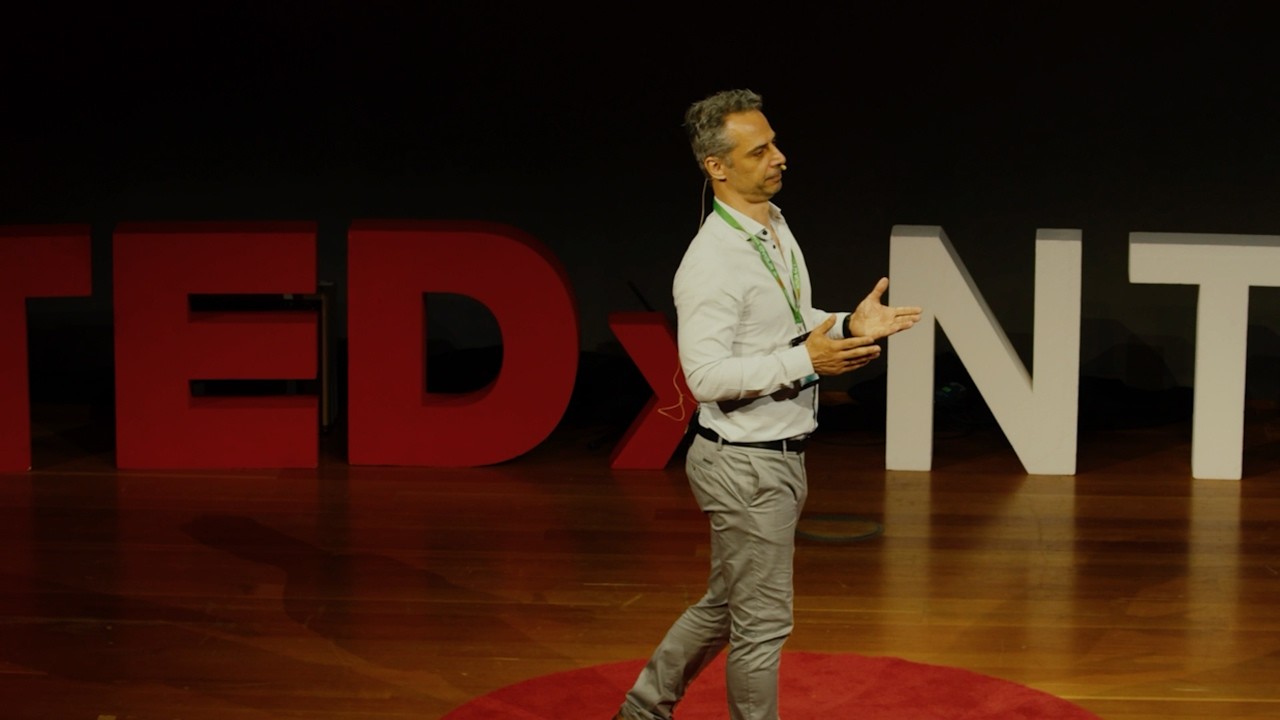
When AI Answers the Doctor’s Phone | Nassos Katsamanis | TEDxNTUA
Keywords
Summary
187 words
Critical Evaluation
Value of the Information & Strength of the Argument
The talk provides valuable insights into the real-world application of AI in healthcare, highlighting unexpected user experiences and the importance of designing for the caregiving ecosystem. The argumentation is compelling, using concrete examples and data to challenge assumptions about elderly users and AI. The speaker effectively argues that empathy in AI is not about emotional language but about structural design that gives users time and attention. However, the talk relies heavily on anecdotal evidence and the speaker’s own experience, which may limit its generalizability.
Scientific Rigor, Source Quality, Title Accuracy
The talk references a study published in the journal of the American Medical Association (JAMA) in spring 2023, where AI responses were rated as more empathetic than those of doctors. However, the specific citation is not provided in the video or description. The speaker’s credibility is supported by his role as a researcher and entrepreneur in AI, and his affiliation with the ‘Athena’ Research Center. The title accurately reflects the content, focusing on the impact of AI answering phones in medical settings. The talk is a TEDx presentation, which is a platform for sharing ideas but may not undergo the same rigorous peer review as academic publications.
206 words
Title / Content Match
The title accurately reflects the content, which focuses on the deployment and impact of an AI system answering phone calls in medical clinics.
Quality & Reliability
7/10
The talk is based on the speaker's direct experience with an AI phone system in UK primary care, supported by reference to a published study in JAMA Internal Medicine. However, specific data and study details are not fully cited, and the talk is anecdotal in nature.
Key Moments
Markers derived by PSI from the transcript: the creator did not define chapters.
- Introduction to the AI phone system in UK primary care and initial patient feedback.
- Explanation of the '8 am rush' and the overwhelming demand on healthcare phone lines.
- Surprising data showing elderly patients rate the AI experience highly.
- Analysis of the 'sandwich generation' and their concerns about AI for their parents.
- Reference to the JAMA study on AI empathy and the concept of infinite patience.
- Anecdote of an 82-year-old patient's positive experience and the design principle of structural empathy.
- Conclusion on designing AI to support human care and the importance of feeling safe.
Cited Sources
- TEDx Talks — The talk was given at a TEDx event, and the description links to the TEDx page.
Concurring Sources
- JAMA Internal Medicine — The speaker references a study published in this journal, but the specific URL is not provided.
Contribution & Novelties
The talk offers a fresh perspective on AI in healthcare by emphasizing the importance of designing for the caregiving ecosystem rather than just the end user. It challenges common assumptions about elderly users and AI, showing that with proper design, AI can provide a more patient and attentive experience than human staff in overburdened systems. The concept of ‘structural empathy’—where empathy is embedded in the interaction design rather than in emotional language—is a notable contribution.
Pour aller plus loin :
- Empathy in Healthcare AI — Provides an overview of AI applications in healthcare, including ethical considerations.
- Compassion Fatigue — Relevant to the discussion of burnout among healthcare professionals.
- Sandwich Generation — Explains the demographic group central to the talk’s analysis.
120 words
Radar Profile
The radar profile shows high scores in information quality and reliability, with moderate scores in technical depth and quantity. This reflects a talk that is scientifically grounded but accessible, focusing on practical insights rather than deep technical details.