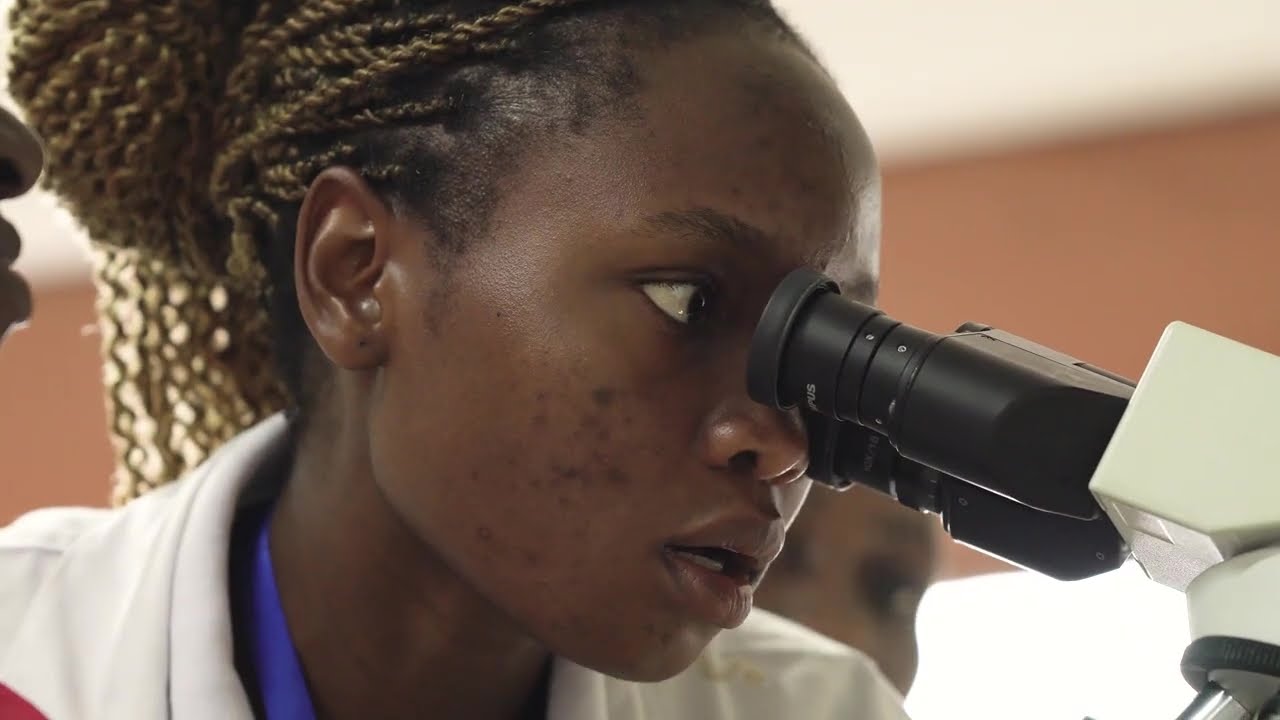
Discover the Epicentre Mbarara Centre in Uganda
Title history
- Discover the Epicentre Mbarara Centre in Uganda — observed on 20261116-1242 UTC (YouTube)
Keywords
Summary
181 words
Critical Evaluation
Value of the Information & Strength of the Argument
The video provides valuable insight into the operations and impact of a well-established medical research centre in East Africa. It showcases concrete examples of how research translates into policy change, such as the malaria treatment policy shift and the yellow fever vaccine dose reduction. The argumentation is coherent, built around testimonials from researchers, university partners, and MSF staff, which demonstrate the centre’s integration into local and global health networks. The value is enhanced by specifics like the biosafety level 3 facility and the team composition, supporting credibility. Solid argumentation is present but lacks critical evaluation or independent verification, as it is essentially an institutional portrait.
Scientific Rigor, Source Quality, Title Accuracy
The scientific rigor is strong given the institutional source (Epicentre). The description and video content are consistent, and the spokespeople hold relevant positions (e.g., director, researchers). However, no external sources or references are cited in the video or description; it relies on internal expertise and institutional authority. The title accurately reflects the content, and the video does not misrepresent its scope. The absence of published data or citations limits independent verification, but the content aligns with known public health research trends. Overall, the source is credible but promotional.
208 words
Title / Content Match
Titre accurately describes the content: an overview of the Mbarara Centre's history, activities, and impact over three decades.
Quality & Reliability
8/10
Official source (Epicentre, research arm of MSF) with credible spokespeople; content is promotional but factually consistent with known research activities in East Africa.
Key Moments
Markers derived by PSI from the transcript: the creator did not define chapters.
- Introduction of the centre's founding in 1996 and role as MSF's research arm.
- Researcher describes malaria study that changed policy for severe malaria treatment in children.
- Discussion of yellow fever vaccine research and dose reduction evidence.
- Overview of staff composition and the biosafety level 3 laboratory as the core.
- Collaboration with MSF France and how it enhances operations.
- Upcoming studies on sickle cell disease and decentralization of operations.
- Community engagement approach and role of village health teams.
- Data quality monitoring and ethical oversight in trials.
- Partnership with Mbarara University and future research directions.
Contribution & Novelties
This video offers an insider’s view of an African research centre that is often under-documented in mainstream media. It highlights how a locally embedded institution bridges community needs with global medical research, providing concrete examples of policy influence. The originality lies in detailing the operational aspects, including the biosafety level 3 facility and community engagement mechanisms, which are rarely shown in such accessible form.
Pour aller plus loin :
- Biosafety level — Essential concept for understanding the lab requirements mentioned.
- Clinical trial — Core methodology discussed in the video.
- Médecins Sans Frontières — Parent organization and context.
- Sickle cell disease — One of the upcoming research areas.
107 words
Radar Profile
The radar profile indicates strong quality and reliability scores, with moderate quantity and technical level, resulting in a balanced but not exhaustive informational presentation.