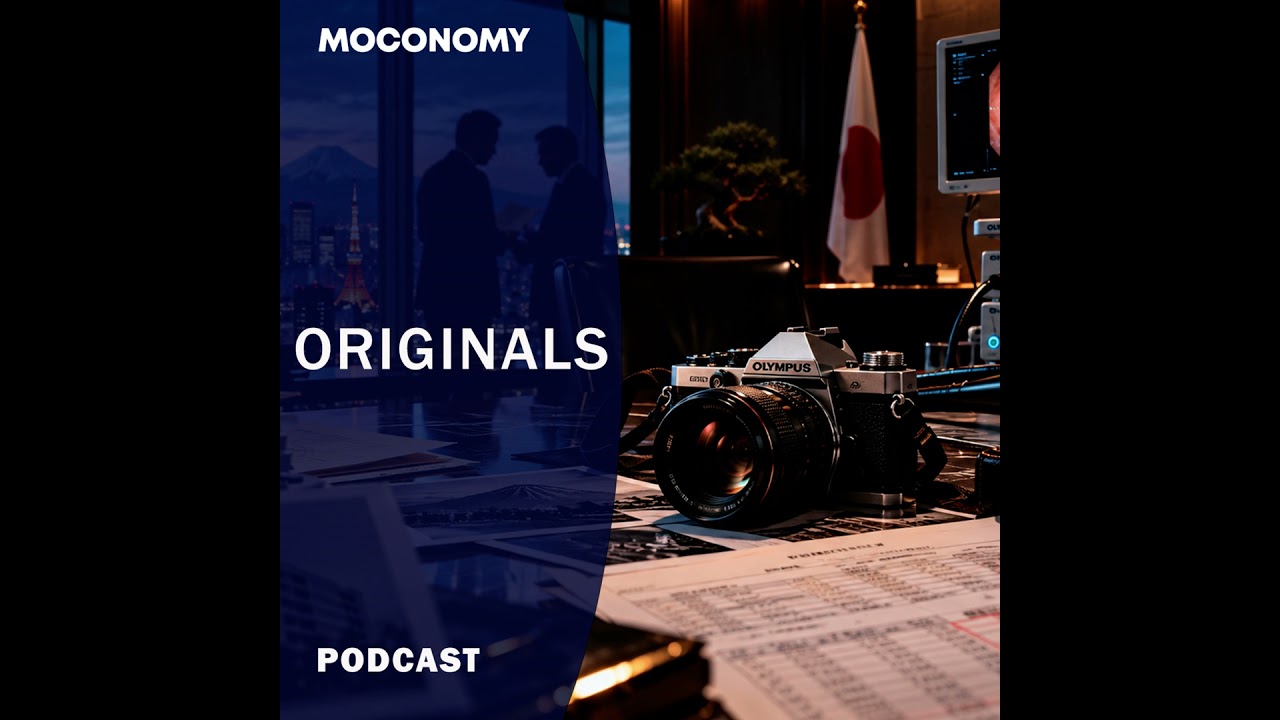
Olympus | How a Corporate Scandal Nearly Destroyed a Japanese Icon
Title history
- Olympus | How a Corporate Scandal Nearly Destroyed a Japanese Icon — observed on 20261109-0801 UTC (YouTube)
Keywords
Summary
139 words
Critical Evaluation
Value of the Information & Strength of the Argument
The value of this documentary lies in its first-hand accounts and expert analysis. Michael Woodford’s personal testimony provides unique insight into the events, while contributions from business professor Valerie Olsen and psychologist Pravin Naddaf offer contextual perspectives. The argumentation is solid, systematically building the case from the initial suspicions to the eventual boardroom coup. The narrative is compelling and supported by concrete details, such as the tuna sandwich incident and the board’s unanimous vote to dismiss Woodford. The documentary effectively argues that cultural norms of loyalty and deference to authority enabled the fraud, while also highlighting the psychological impact on the whistleblower. The inclusion of Woodford’s background and his earlier whistleblowing experience strengthens the credibility of his actions. The film does not shy away from complexity, acknowledging the role of media and external pressures. Overall, the information is well-researched and presented in a persuasive, coherent manner.
Scientific Rigor, Source Quality, Title Accuracy
The documentary relies on primary accounts, particularly from Woodford himself, and secondary commentary from academics and practitioners. It references the Japanese magazine ‘Facta’ which first reported the irregularities, and mentions an independent audit by PwC that corroborated Woodford’s concerns. However, explicit citations or external references are limited beyond the interviews and mentioned publications. The narrative is consistent with publicly known facts about the Olympus scandal, which adds to its reliability. The title accurately promises a story about how the scandal nearly destroyed the company, and the content delivers that narrative. There are no obvious discrepancies between the title and the content. The film’s rigor is enhanced by the inclusion of expert opinions, though it does not offer a comprehensive source list or footnotes, making it more of a journalistic documentary than a formal academic study. Despite this, the adherence to known facts and the credible testimony of key figures ensure a high level of trustworthiness.
316 words
Title / Content Match
The title accurately reflects the content: a deep dive into the Olympus scandal and its impact on the company's survival.
Quality & Reliability
8/10
The documentary is based on a well-documented corporate scandal, featuring direct interviews with the key whistleblower and experts, providing a credible and detailed narrative.
Key Moments
Markers derived by PSI from the transcript: the creator did not define chapters.
- Introduction to Olympus's history and reputation in photography and medical equipment.
- Michael Woodford is hired as first foreign president and COO.
- Woodford learns about the Facta magazine allegations and confronts Kikukawa.
- Lunch meeting where the tuna sandwich incident highlights cultural rejection.
- Woodford sends a series of emails and demands resignation of top executives.
- Board meeting where Woodford is dismissed as president and CEO.
- Woodford goes public, leading to investigations and eventual recovery of Olympus.
Cited Sources
- The World According to Amazon — Related documentary from the same channel about corporate power.
- The Black Box | When Financial Models Stop Explaining Themselves — Related documentary exploring financial models and opacity.
- Mark Zuckerberg: The People vs Meta — Related documentary on accountability and big tech leadership.
Contribution & Novelties
The documentary adds a human and cultural dimension to the often dry reporting of corporate fraud. By centering on Woodford’s personal experience, it reveals the psychological strain and ethical dilemmas faced by whistleblowers. It also contextualizes the scandal within Japan’s collectivist corporate culture, offering insights into why the cover-up persisted for so long. The use of interviews with business psychologists provides a framework for understanding the motivations behind whistleblowing and organizational loyalty. While the story is known, the documentary’s narrative approach and expert analysis offer a fresh perspective, making it a valuable resource for business ethics and corporate governance education.
Pour aller plus loin :
- Olympus scandal - Wikipedia — Comprehensive background on the accounting fraud and its resolution.
- Whistleblower - Wikipedia — Definitions and examples of whistleblowing, including legal protections.
- Corporate governance - Wikipedia — Principles and frameworks relevant to the transparency issues highlighted in the film.
148 words
Radar Profile
The radar shows a strong quantity of information (9) and high reliability (8), indicating a well-sourced documentary. The technical depth (7) is moderate, suitable for a general audience, while the quality of information (8) reflects solid professional production. The overall profile suggests a balanced and credible presentation.