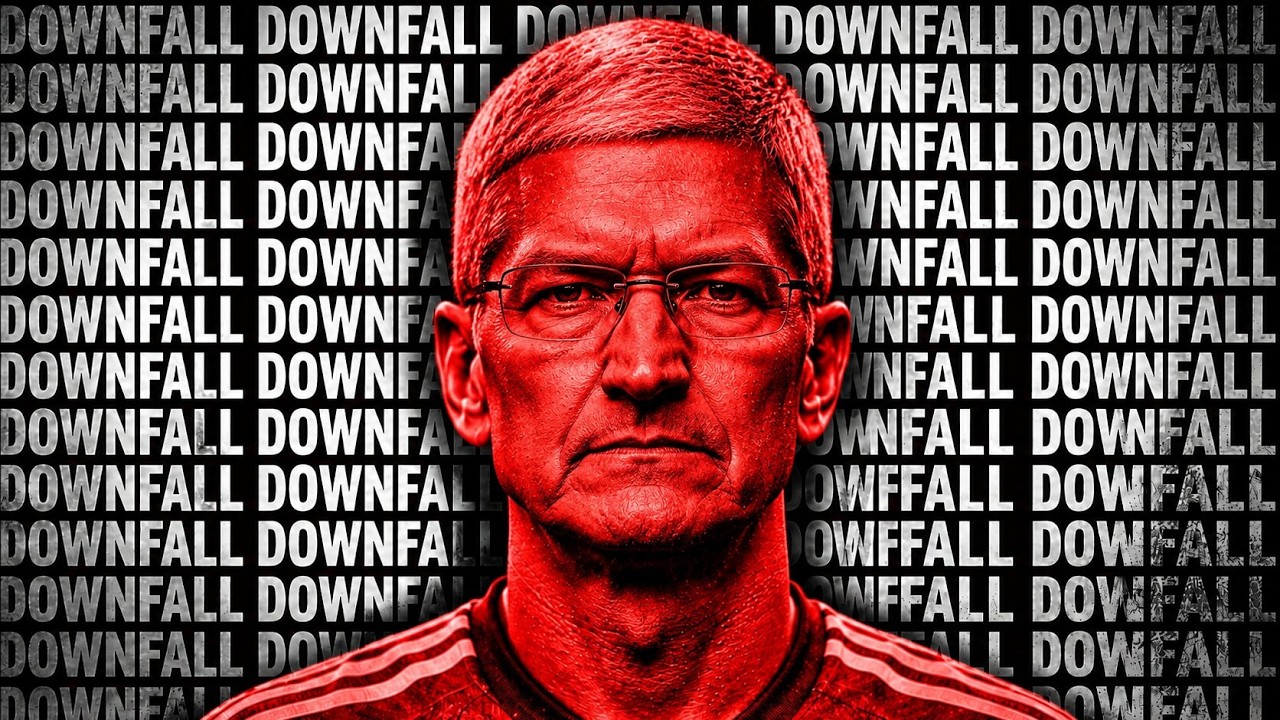
Apple Is Running Out Of Excuses
Title history
- Apple Is Running Out Of Excuses — observed on 20261031-2252 UTC (YouTube)
Keywords
Summary
197 words
Critical Evaluation
Value of the Information & Strength of the Argument
The video offers a valuable synthesis of Apple’s AI missteps, backing each claim with named sources like Bloomberg, WSJ, iFixit, and analyst reports. It builds a compelling argument that Apple intentionally stayed out of the AI spending race, profiting from the boom by selling devices while others build infrastructure. The argumentation is strong, systematically connecting each excuse (quality, regulation, memory) to a pattern of deferred responsibility. The inclusion of financial data and market reactions demonstrates a robust economic perspective. However, some causal links are speculative, such as attributing the memory shortage entirely to AI data centers, and the video occasionally drifts into editorializing, though it remains grounded in reported facts.
Scientific Rigor, Source Quality, Title Accuracy
The video adheres to a high standard of journalistic rigor, frequently citing reputable outlets (Bloomberg, The Wall Street Journal, Engadget, Six Colors, iFixit) and named analysts. It differentiates between confirmed facts and reports from anonymous insiders, though sometimes presenting leaks as definitive. The title is apt and not sensationalized, matching the central thesis. The content is well-structured, with a logical progression from the original Siri promise to the current state. No major bias is apparent, though the channel’s perspective slightly favors a critical view of Apple’s execution. Overall, sources are diverse and credible, and the title accurately encapsulates the video’s message.
226 words
Title / Content Match
The title directly reflects the video's core argument: Apple has exhausted its excuses for AI and hardware missteps, and now faces consequences.
Quality & Reliability
8/10
The video relies on major tech outlets (Bloomberg, WSJ, iFixit, IDC, Six Colors, Engadget) and provides a coherent narrative, though several claims are based on unnamed insiders and leaked reports. The analysis is well-structured and internally consistent, but some speculative elements (e.g., exact settlement amounts, future supply constraints) should be treated with caution.
Key Moments
Markers derived by PSI from the transcript: the creator did not define chapters.
- Intro: Apple briefly becomes most valuable company, folding iPhone Duo cracks appear.
- June 2024 Apple Intelligence reveal with ambitious Siri demo.
- Lawsuit filed against Apple for false advertising over non-existent Siri features.
- Apple partners with Google for Gemini to power Siri AI; talent exodus continues.
- EU DMA blocks Siri AI launch; memory shortage forces price increases; iPhone Duo screen issue.
Cited Sources
- Bloomberg — Reported on Siri prototype delays, AI researcher departures, and the Gemini deal.
- The Wall Street Journal — Quoted Tim Cook on memory chip shortage and price increases.
- iFixit — Teardown and simulation of iPhone Duo hinge, pinpointing crack cause.
- Moffett Nathanson — Analyst Craig Moffett described consumer response to Apple Intelligence as lukewarm; firm cut price target.
- Six Colors — Dan Moren's hands-on review of Siri AI, noting both impressive and flawed performance.
- Engadget — Verdict on Siri AI: 'practical but plain.'
- IDC — Francisco Jeronimo's comment on Apple's replacement for iPhone Duo screen issues.
Concurring Sources
- Bloomberg — Corroborates Siri delays, internal turmoil, and Gemini deal.
- iFixit — Supports the claim of hinge stress hotspot in iPhone Duo.
- Omdia — Predicts smartphone price increase due to memory shortage, aligning with Apple's cited impact.
Dissenting Sources
- Apple official statement on Siri delay — Apple claimed the delay was due to quality standards, while the video suggests mismanagement and talent loss.
- European Commission statement — Commission spokesperson Thomas Regnier said nothing in the DMA prevented Apple from launching Siri AI, contradicting Apple's excuse.
Contribution & Novelties
The video provides a comprehensive, contextualized analysis of Apple’s AI failures, linking them to strategic decisions on capital allocation and market positioning. It offers a rare synthesis of internal leaks, settlement details, and financial data to argue that Apple’s ‘wait-and-rent’ AI strategy is viable but fragile. The originality lies in framing Apple’s missteps as a deliberate trade-off rather than pure incompetence, and in highlighting the systemic pressures from the AI boom on Apple’s supply chain and regulatory environment.
Pour aller plus loin :
- Digital Markets Act — Overview of the regulation central to Apple’s EU Siri launch dispute.
- High-bandwidth memory — Explanation of the memory type in demand by AI data centers, driving shortages.
- Samsung Galaxy Fold screen issues — Historical context on foldable phone durability problems, cited in the video as a precedent.
134 words
Radar Profile
The radar profile shows high scores in quantity and quality of information, reflecting the video's dense, well-sourced reporting. The technical level is moderate, as it targets a general tech-enthusiast audience without deep dives into AI engineering. Reliability is strong but not perfect due to reliance on leaks and unnamed sources, which explains the slight dip compared to information quality.