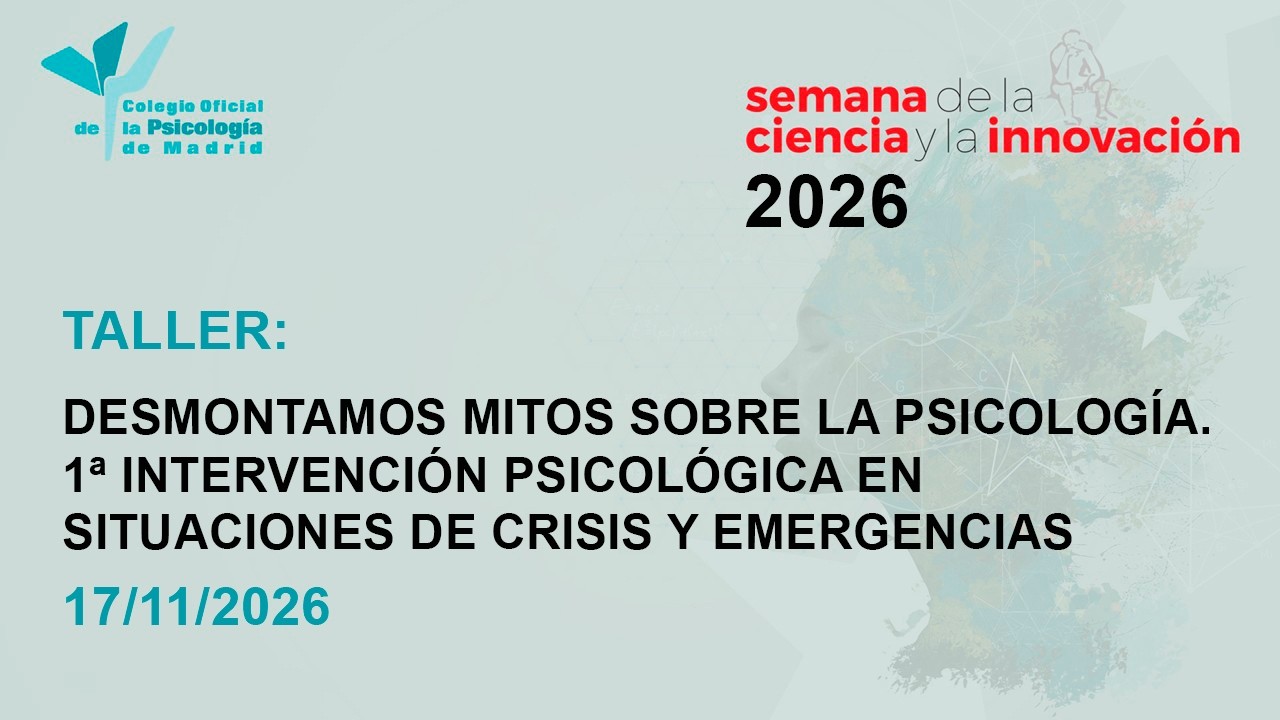
Semana de la Ciencia. Emergencias 17-11-26
Science Week. Emergencies 17-11-26
Title history
- Semana de la Ciencia. Emergencias 17-11-26 — observed on 20261118-1243 UTC (YouTube)
Keywords
Summary
165 words
Critical Evaluation
Value of the Information & Strength of the Argument
The video provides a clear and structured comparison of the three levels of psychological assistance, effectively using the ABCDE protocol and a practical case scenario to illustrate the differences in responsibilities and competencies. The argumentation is coherent, building from basic emotional support to more specialized intervention, and stresses the complementarity of these levels rather than hierarchy. The inclusion of a live grounding exercise adds practical value. The reasoning is well-supported by examples, though it relies heavily on the presenters’ professional experience rather than peer-reviewed literature.
Scientific Rigor, Source Quality, Title Accuracy
The scientific rigor is moderate: the content aligns with established practices in emergency psychology, but explicit sources or references are not provided. The title adequately reflects the workshop’s focus on emergencies during Science Week, though it omits the psychological emphasis. No viewer comments were provided for analysis, so public reception cannot be assessed.
153 words
Title / Content Match
The title 'Semana de la Ciencia. Emergencias 17-11-26' accurately reflects the event context and the focus on emergencies, although it does not specify the psychological aspect. Overall, the title matches the content.
Quality & Reliability
7/10
The content is delivered by professionals from an official psychology association, presenting a structured framework for emergency psychological care. The information is consistent with established practices but lacks explicit citations to scientific studies. The workshop includes practical exercises that reinforce the theoretical content, enhancing credibility.
Key Moments
Markers derived by PSI from the transcript: the creator did not define chapters.
- Welcome and introduction to the workshop, presentation of GECOP group and the topic of emergency psychology.
- Explanation of psychological first aid (PAP), its principles (observe, listen, connect) and the ABCD protocol.
- Distinction between primer apoyo emocional (PAE) and primera intervención psicológica (PIP), emphasizing clinical assessment and triage.
- Demonstration of the grounding technique (5-4-3-2-1) to regulate emotional activation.
- Introduction of the simulated emergency scenario (M30 accident) and division into groups for practical exercise.
- Debriefing session where participants share feedback and reflections on the workshop.
Contribution & Novelties
The video’s main contribution is the clear conceptual differentiation between primer apoyo emocional (PAE), primeros auxilios psicológicos (PAP), and primera intervención psicológica (PIP), which helps clarify roles for various responders. It emphasizes that not all providers should perform the same interventions, and that specialized psychological intervention requires formal competencies. The workshop also demonstrates practical techniques like grounding.
Pour aller plus loin :
- Psychological first aid — Relevant for understanding the foundational concepts presented.
- Crisis intervention — Directly related to the scope of emergency psychological care.
- Emotional self-regulation — Underpins techniques like grounding explained in the video.
96 words
Radar Profile
The radar profile shows high scores for information quantity and moderate scores for technical depth and reliability. This suggests a balanced educational content that provides substantial material without excessive specialization, making it accessible while retaining professional rigor.