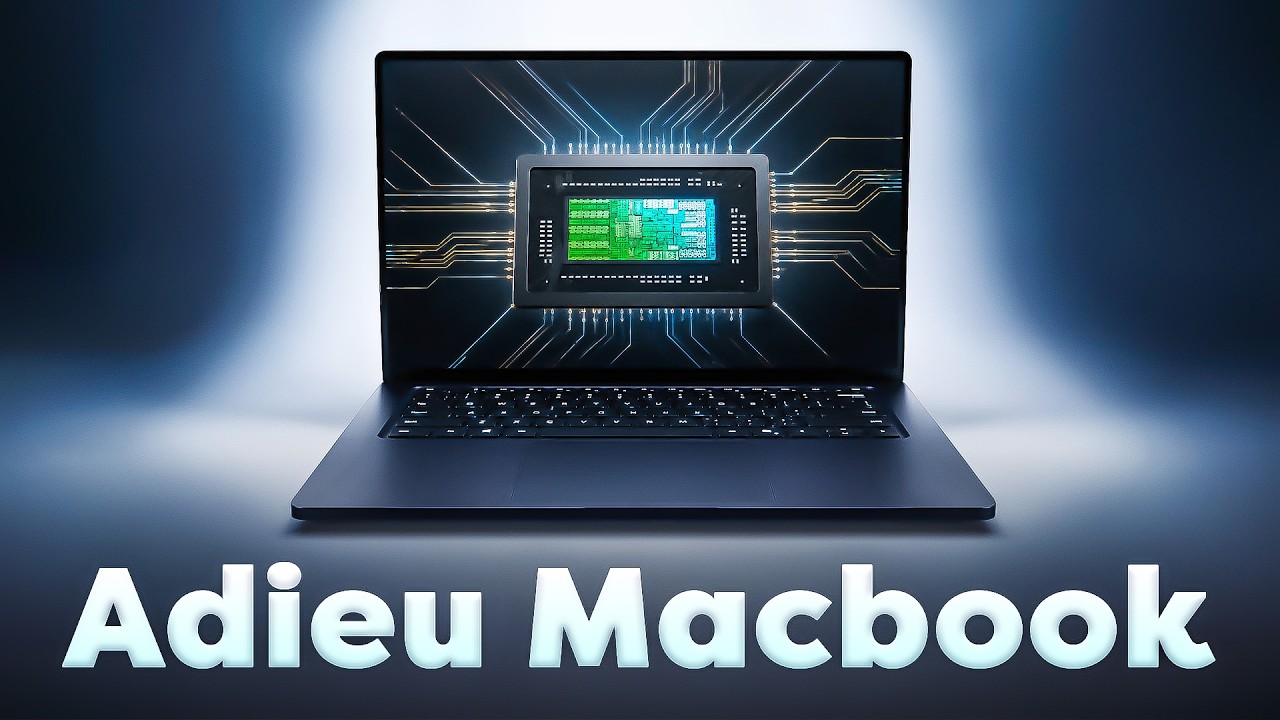
Voici le PLUS GROS Changement du PC depuis 40 ans, signé NVIDIA : RTX Spark
Here is the BIGGEST Change to the PC in 40 years, by NVIDIA: RTX Spark
Keywords
Summary
136 words
Critical Evaluation
Value of the Information & Strength of the Argument
The video provides a comprehensive overview of the RTX Spark announcement, blending technical details with market analysis. The argumentation is well-structured, starting with the chip’s architecture, then moving to performance claims, CUDA’s strategic importance, product lineup, and the role of AI agents. The presenter supports his points with historical context (Apple’s memory architecture, Surface RT) and clearly separates verified facts from unverified promises. However, the reliance on NVIDIA’s official statements and the absence of independent benchmarks limit the strength of the argumentation. The personal opinion about Windows being a weak link is clearly stated as a subjective concern, which adds transparency but also introduces potential bias.
Scientific Rigor, Source Quality, Title Accuracy
The video references two Frandroid articles linked in the description, which serve as supporting material. These are reputable tech journalism sources, but they are not independent or scientific. The video does not cite external research or official NVIDIA documentation directly, relying instead on the journalist’s interpretation of the keynote. The title matches the content well, though it uses hyperbole to attract attention. The journalist explicitly notes the lack of benchmarks and prices, demonstrating a cautious approach. The analysis of comments is not part of this field; the overall rigor is acceptable for a news review but not at an academic level.
222 words
Title / Content Match
The title is largely appropriate, as the video does discuss a major architectural shift in PCs, though it is slightly sensationalist given that the actual impact remains unproven.
Quality & Reliability
7/10
The journalist relies on NVIDIA's announcements and contextualizes them with historical examples (Surface RT, Apple M chips), while explicitly stating that many claims remain unverified. The description provides links to supporting articles, and the presentation is nuanced but ultimately depends on company promises until independent tests are available.
Chapters
Cited Sources
- PC portables Nvidia RTX Spark : tout ce qu’il faut savoir sur la puce ARM qui défie Intel, AMD, Qualcomm et Apple — Companion article detailing the RTX Spark launch, specifications, and market positioning.
- RTX Spark : Windows 11 serait-il le maillon faible du grand projet de Nvidia ? Pas si sûr — Article examining potential weaknesses of Windows 11 in the context of RTX Spark, aligning with the video's concerns.
External References
Contribution & Novelties
The video’s original contribution lies in its synthesis of the RTX Spark announcement, connecting the chip’s architecture to broader industry trends (Apple Silicon, CUDA, AI agents) while offering a critical perspective on the Windows-on-ARM ecosystem. It bridges hardware details with consumer implications, making the information accessible without oversimplifying the technical nuances.
Pour aller plus loin :
- CUDA — Explains NVIDIA’s parallel computing platform, central to the video’s discussion of software advantages.
- Windows on ARM — Provides historical context and technical details about running Windows on ARM processors, relevant to the video’s skepticism.
- Nvidia DGX — Covers NVIDIA’s high-end AI workstations, including the DGX Station mentioned in the video.
108 words
Radar Profile
The radar shows high scores in information quantity and moderate levels in quality and technical depth, reflecting a comprehensive but not fully verified analysis. The overall reliability score aligns with the journalist's cautious tone.
💬 Positive overall, with many praising the journalist's clarity and depth, while some express skepticism about Windows and pricing. The climate is balanced but leans toward approval, with notable mentions of Linux as a better alternative.