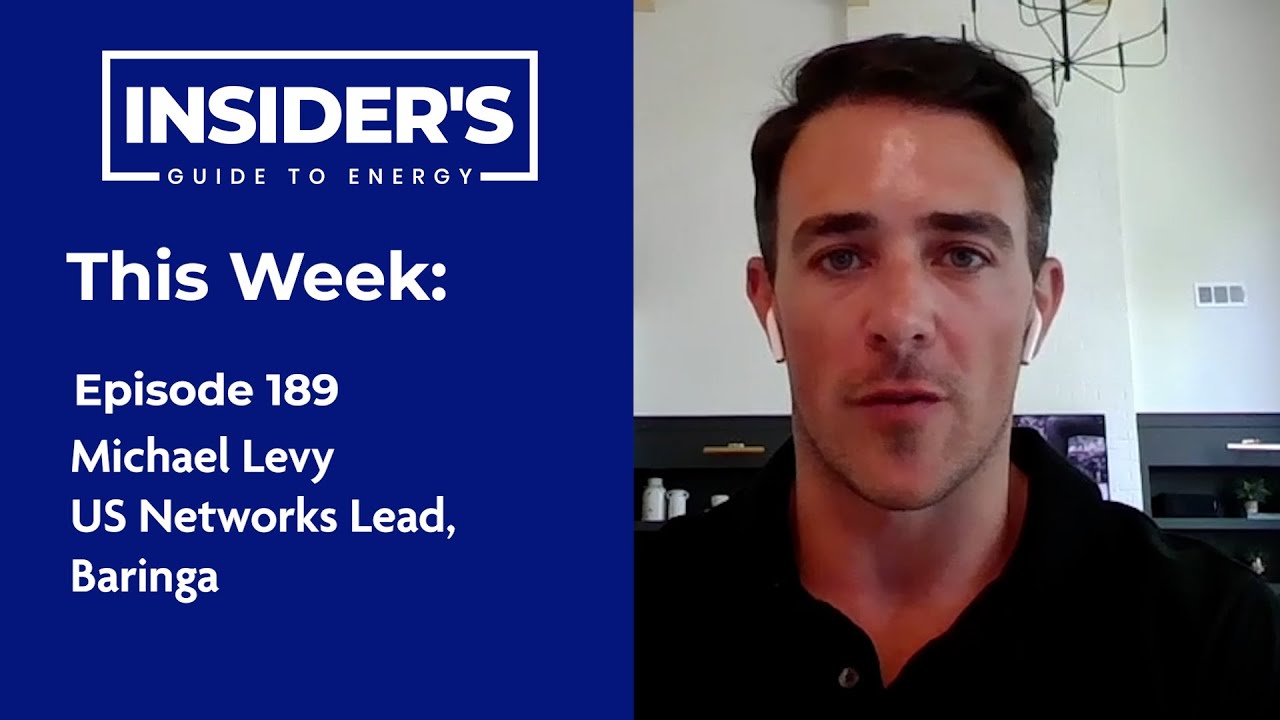
189 - How Virtual Power Plants Are Transforming Energy Distribution and Resilience
Keywords
Summary
208 words
Critical Evaluation
Value of the Information & Strength of the Argument
The episode provides a comprehensive overview of VPPs, blending technical definitions with economic and regulatory context. Levy’s explanations of ‘shed, shift, shimmy’ are clear and accessible, and his discussion of the value stack—bulk power system, network deferral, and resilience—offers a structured framework for understanding how VPPs create value. The argument that VPPs are software-enabled and thus scale more efficiently than traditional generation is compelling, though it relies on industry estimates rather than independent data. The claim that VPPs can defer network upgrades is supported by the concept of non-wires alternatives, but Levy acknowledges that few examples have been deemed economic, attributing this to utility incentive structures. The resilience argument is well-illustrated with real-world events (Hurricane Beryl, Puerto Rico’s grid rebuild), but the discussion of community resilience remains somewhat speculative. Overall, the argumentation is logical and well-paced, though it occasionally leans on anecdotal evidence and industry optimism.
Scientific Rigor, Source Quality, Title Accuracy
The episode references a white paper by Baringa and Cavela, FERC Order 2222, and a DOE liftoff report, which are credible sources. However, the white paper is not directly linked in the description; only a Baringa insights page is provided. The guest’s expertise is evident, but the discussion lacks peer-reviewed studies or independent data. The title accurately reflects the content, focusing on VPPs and their role in energy distribution and resilience. The promotional segment for a media training workshop is present but does not detract from the scientific content. Comment analysis: With only 8 likes and no comments provided, public engagement is minimal, so no trends can be inferred.
270 words
Title / Content Match
The title accurately reflects the episode's focus on virtual power plants and their role in energy distribution and resilience. The content delivers on the promise, covering definitions, value streams, regulatory drivers, and resilience benefits.
Quality & Reliability
7/10
The discussion is grounded in a recent white paper by Baringa and Cavela, and references FERC Order 2222 and DOE liftoff reports. The guest is a credible industry expert (US Networks Lead at Baringa). However, the episode is largely qualitative, with limited hard data or peer-reviewed evidence. The $70 billion market projection is an industry estimate, not an independent forecast. The presence of a promotional segment for a media training workshop does not affect the content's reliability.
Key Moments
Markers derived by PSI from the transcript: the creator did not define chapters.
- Introduction to VPPs and the $70 billion market projection.
- Definition of VPPs and the 'shed, shift, shimmy' framework.
- Discussion on dispatchability and customer behavior.
- Value stack: bulk power system, network deferral, resilience.
- Non-wires alternatives and utility incentives.
- What's new in VPPs: spatial resolution, frequency, software scalability.
- Barriers to adoption: awareness, standardization.
- FERC Order 2222 and regulatory outlook.
- Resilience and community benefits, Puerto Rico example.
- Future of VPPs and industry evolution.
Cited Sources
- Baringa - Virtual Power Plants — White paper referenced by Michael Levy, discussing VPP value and market potential.
- Insider's Guide to Energy Podcast — Podcast website for more episodes and information.
- Michael Levy LinkedIn — Guest's professional profile.
Concurring Sources
- FERC Order 2222 — Supports the regulatory discussion on DER market access.
- DOE Liftoff Report — Corroborates the value and potential of VPPs.
Contribution & Novelties
The episode offers a fresh perspective on VPPs by framing them as a software-enabled aggregation of DERs that can provide a stack of values beyond traditional demand response. The ‘shed, shift, shimmy’ terminology, attributed to Jen Downing from DOE’s LPO, provides a memorable framework. The discussion of network deferral as the largest value stream and the need for utility gain-sharing mechanisms is particularly insightful. The emphasis on resilience as an unmonetized but critical driver of adoption adds a new dimension to the VPP narrative.
Pour aller plus loin :
- FERC Order 2222 — Official regulatory order enabling DER participation in wholesale markets.
- DOE Liftoff Report on Virtual Power Plants — DOE report referenced in the episode, providing detailed analysis.
- Non-Wires Alternatives — Concept of using DERs to defer grid upgrades.
130 words
Radar Profile
The radar profile shows a balanced content with moderate to high scores in information quantity, quality, and reliability, but a slightly lower technical level, reflecting the podcast's accessible yet substantive discussion. The overall profile indicates a credible, industry-focused analysis suitable for professionals and informed listeners.