Ce qui se cache derrière le cadenas de votre navigateur
What is hidden behind the padlock in your browser
Keywords
Summary
126 words
Critical Evaluation
Value of the Information & Strength of the Argument
The value of the video lies in its concrete examples of certificate outages and the explicit explanation of why certificate management is a hidden but critical operational issue. The argumentation is logical and grounded in the expert’s operational experience, though it is intertwined with product promotion. The discussion about shortening certificate lifetimes and the push for automation is well substantiated with references to CA/B Forum decisions. The speculation about Mythos AI and GPU resource constraints is clearly presented as a personal opinion, which is acceptable but reduces the overall objectivity.
Scientific Rigor, Source Quality, Title Accuracy
The video does not cite external references directly, but the description provides links to the media’s platforms and a newsletter. The factual claims (e.g., specific certificate outages, lifetime reduction timeline) align with known industry events, and the expert’s credibility supports reliability. The title is catchy and matches the content, though it does not hint at the technical depth. No contradictory external sources are mentioned, and the absence of a formal reference list is compensated by the practical nature of the discussion.
186 words
Title / Content Match
The title refers to the browser padlock symbolizing HTTPS certificates; the interview indeed explains the importance and vulnerabilities of digital certificates, so it is adequate, though a bit broad.
Quality & Reliability
7/10
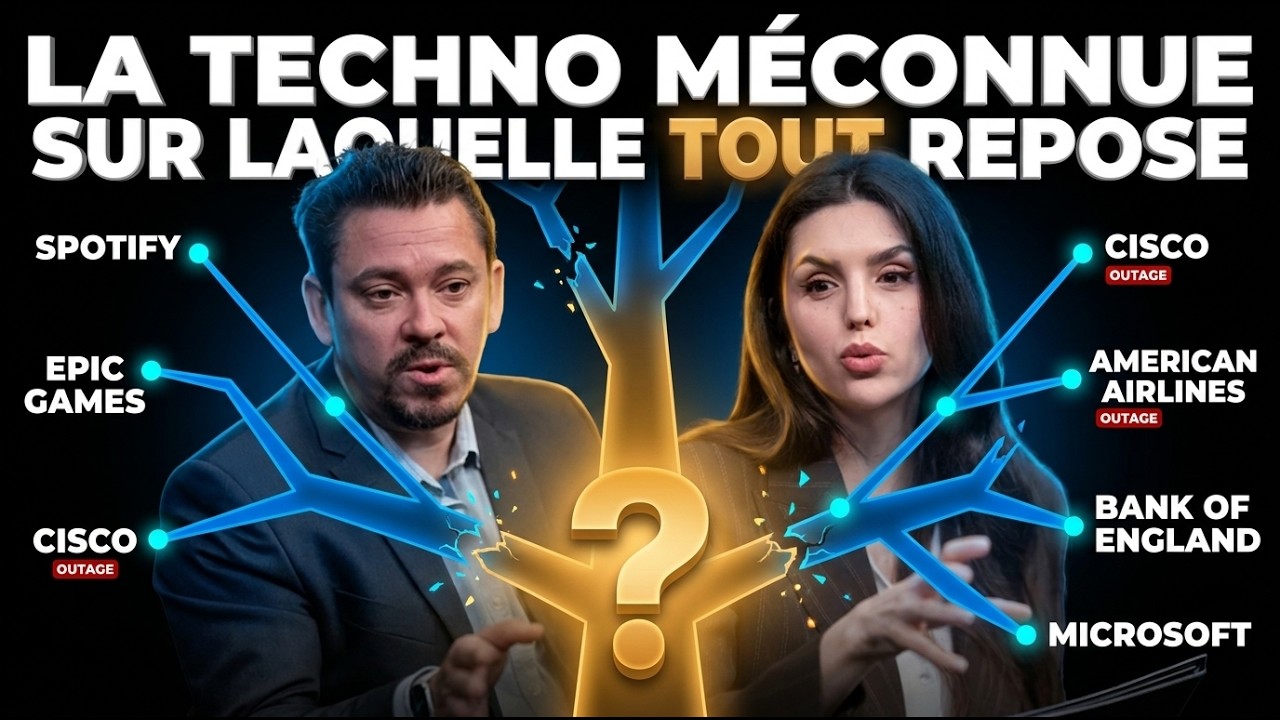
The discussion features a CTO with hands-on experience in PKI and certification management, providing specific examples of certificate outages (Epic Games, Spotify, Cisco, Bank of England). However, the interview also serves to promote the company's products, and some claims (e.g., the rationale behind the Mythos AI decision) are speculative and based on personal inference rather than verified data.
Key Moments
Markers derived by PSI from the transcript: the creator did not define chapters.
- Discussion on Mythos AI and its claimed 10,000 vulnerabilities.
- Evertrust's history from consultancy to software publisher.
- Explanation of PKI and CLM functions.
- Real-world certificate expiration incidents: Epic Games, Spotify, Cisco, Bank of England.
- Decreasing certificate lifetime from 398 to 47 days by 2029.
- Discussion on sovereignty and European market preferences.
- Impact of post-quantum cryptography on certificate migration.
- CSPN certification from ANSSI and future Common Criteria plans.
Cited Sources
- Newsletter subscription form — Link provided in the video description for exclusive analyses.
- Riskintel LinkedIn page — Company LinkedIn page mentioned for following.
- Riskintel official website — Official site of the media.
Contribution & Novelties
The video provides an informed insiders’ view on the often-overlooked domain of certificate lifecycle management, emphasizing the operational urgency created by shortening validity periods and the upcoming quantum migration. Its original contribution is the linkage between these technical trends and the practical business strategies of a European vendor.
Pour aller plus loin :
- Public Key Infrastructure (PKI) — Relevant background on the core technology discussed.
- Post-quantum cryptography — Essential to understand the coming algorithm replacement challenge.
- X.509 certificates — The standard format for digital certificates, central to the discussion.
- CA/Browser Forum — The industry body setting certificate lifetime rules mentioned in the video.
103 words
Radar Profile
The radar profile shows a fairly balanced shape, with moderate scores in information quantity, quality, and technical level, and a slightly lower reliability score. This reflects a substantive interview that is somewhat compromised by its promotional undertone.