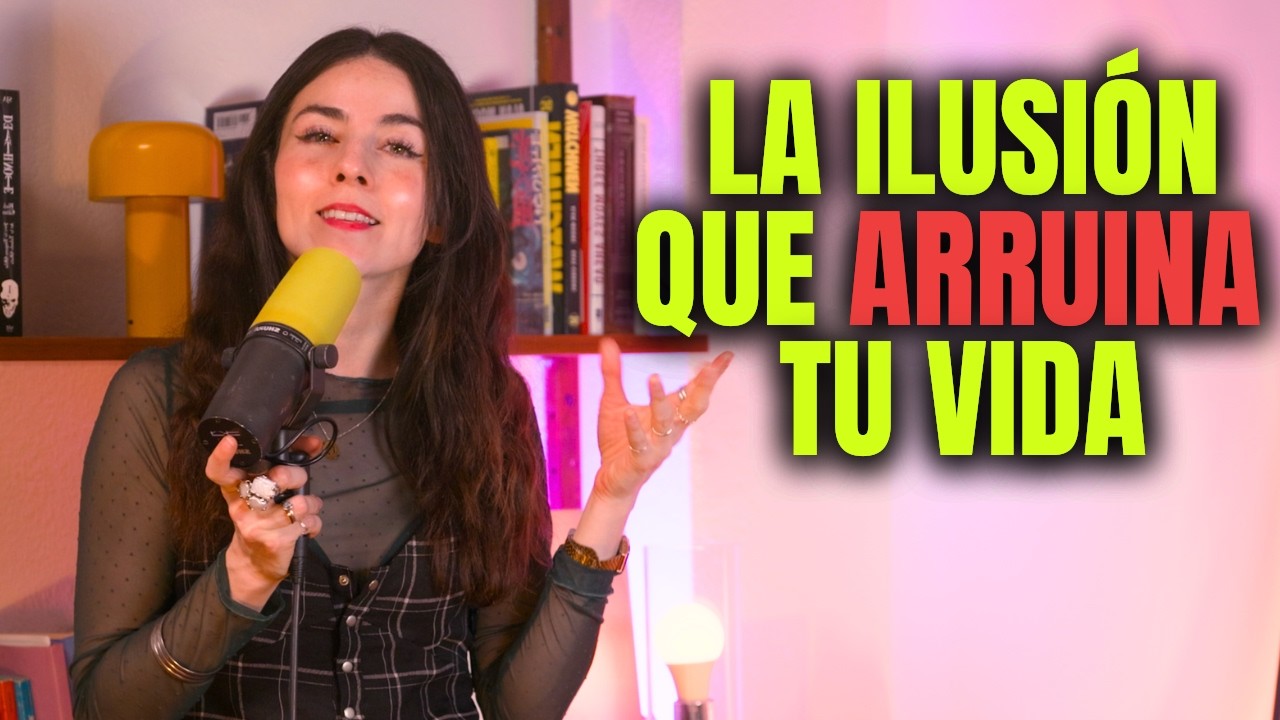
La Ilusión del Final de la Historia.
The Illusion of the End of History.
Keywords
Summary
168 words
Critical Evaluation
Value of the Information & Strength of the Argument
The video provides valuable insight into a nuanced psychological concept by translating a complex study into accessible language without oversimplifying the science. The argumentation is solid: the presenter clearly explains the study’s design, limitations, and supporting evidence from a follow-up longitudinal study. She balances the scientific content with personal anecdotes and actionable advice, making the information both engaging and practically applicable. The discussion on barriers to change is thoughtful and well-supported, though some personal conclusions are presented as generally applicable.
Scientific Rigor, Source Quality, Title Accuracy
The video demonstrates good scientific rigor by citing the original research paper and acknowledging its criticisms. The description includes direct links to the paper (via Sci-Hub) and a summary from Capital Ideas Online. The title accurately reflects the content, though the video also includes personal reflections and a sponsor segment. The presentation of the study’s methodology and results is faithful to the original, and the presenter does not overstate conclusions. The only minor weakness is that some supporting claims about neurobiology (e.g., bone remodeling) are simplified, but they are presented correctly in context.
188 words
Title / Content Match
The title accurately reflects the content, focusing on the 'End of History Illusion' and its implications.
Quality & Reliability
8/10
The video presents a well-explained overview of a peer-reviewed study, includes critical discussion, and communicates clearly, though with some personal opinions.
Key Moments
Markers derived by PSI from the transcript: the creator did not define chapters.
- Introduction to the End of History Illusion and personal observation of the phenomenon.
- Description of the 2013 study by Quoidbach, Gilbert, and Wilson, including participant numbers and methodology.
- Sponsor segment for VPN (without product details).
- Presentation of the three graphs: personality, values, and preferences over time.
- Discussion of criticisms of the study, including statistical models and lack of longitudinal design.
- Personal reflections on why people struggle to change and mental barriers such as fear of inauthenticity.
- Encouragement to embrace change, using the analogies of digging a river and biological renewal.
Cited Sources
- The End of History Illusion (original paper) — Cited as the primary study describing the illusion, accessed via Sci-Hub.
- The End of History Illusion (summary) — Provided by the creator as a supplementary link to understand the concept.
- Previous video: Sleep epidemic — Referenced in the description as a related video on sleep and health.
- Previous video: Brain aging — Referenced in the description as another related video on brain health.
Contribution & Novelties
The video contributes by translating a well-known psychological study into an engaging, accessible narrative that connects the concept to personal growth and daily decision-making. It adds value by discussing criticisms and barriers to change, and by framing the illusion as a call to embrace curiosity and continuous self-evolution. The personal testimony of the creator entering a master’s degree at an older age reinforces the message that change is always possible.
Pour aller plus loin :
- End-of-history illusion - Wikipedia — Provides a concise overview and context.
- Original study on Science — The definitive source for the 2013 paper.
- Decision-making - Wikipedia — Relevant to how the illusion affects choices.
109 words
Radar Profile
The profile shows strong quality and reliability scores with moderate technical depth and information quantity, suggesting a well-balanced but approachable science communication video.
💬 très positif — The 30 comments analysed reveal a deeply positive and engaged community, expressing gratitude, personal anecdotes, and support for the creator's master's degree.